



During a new wave of attacks, several Ukrainian cities were hit by drones and missiles. As a result, there were fatalities and dozens of people injured, not to mention the damage to the city’s infrastructure, which left millions of people without electricity.
In Kyiv, the impacts damaged residential buildings and basic services. As a result, thousands of families were left without heating in the middle of winter.
At the same time, hospitals and ambulances were affected. Consequently, emergency care became more complex and risky.
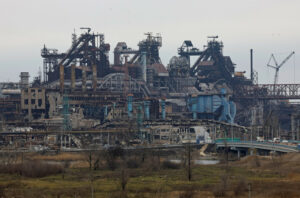
Civil infrastructure at the center of the conflict
The attacks focused on energy networks and water systems. Thus, large urban areas were left without electricity or secure supply.
This situation hits children and the elderly the hardest. Therefore, social vulnerability increases with each day without services.
Meanwhile, humanitarian teams are working to restore power. However, the continuation of the bombings delays the repairs.
A humanitarian crisis worsening with millions of people without electricity
The intensification of the attacks adds to months of sustained destruction. Thus, the conflict maintains constant pressure on the civilian population.
Internal displacement is growing, and many families are losing their homes. Consequently, the demand for shelter, food, and warmth continues to increase.
Although international aid continues to arrive, the needs exceed the resources. Therefore, the humanitarian scenario continues to deteriorate.
Environmental damage caused by the war in Ukraine
Beyond the human impact, the war creates a deep environmental footprint. The bombings alter soils, destroy ecosystems, and release pollutants.
Explosions in industrial areas cause fires and toxic emissions. In this way, air pollution increases and climate change worsens.
Additionally, rivers and underground aquifers are exposed to fuel and waste spills. As a result, drinking water becomes an even more fragile resource.
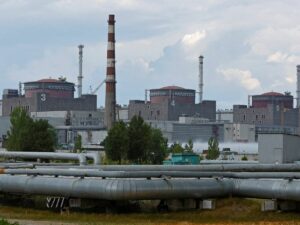
Affected nature and loss of biodiversity
The rural and forest areas also suffer the consequences of the conflict. Thus, mined fields and degraded soils prevent natural regeneration.
The wildlife is displaced by noise and habitat destruction. Consequently, the ecological balance is disrupted in large regions.
In the long term, these damages reduce the territory’s ability to sustain productive activities. Therefore, environmental recovery will be slow and costly.
A future marked by sustainable reconstruction
The magnitude of the devastation poses challenges that go beyond the end of the conflict. Therefore, reconstruction must integrate environmental criteria.
Restoring infrastructures with clean energy and protecting natural resources will be key. In this way, the accumulated ecological impact can be reduced.
Finally, the war in Ukraine shows that armed conflicts not only destroy lives and cities. They also leave deep scars on the environment that condition the future of societies.



