



Portugal reached in January 2026 the first place in the European Union in renewable electricity generation, with 80.7% of the total produced.
According to the Associação Portuguesa de Energias Renováveis (APREN), the country generated 4,420 GWh of clean energy out of a total of 5,479 GWh. This performance places it in second position in Europe, only behind Norway (96.3%), which is not part of the EU. Denmark came in third with 78.8%.
The Portuguese energy mix
Electricity production was dominated by:
- Hydroelectric: 36.8% of the total.
- Wind: 35.2%.
- Solar: 4.4%.
During the month, there were 210 non-consecutive hours in which renewable production covered all national consumption. APREN estimates that this performance allowed for a savings of 703 million euros compared to generation with natural gas plants, reinforcing the country’s economic competitiveness.
Context and resilience after the 2025 blackout
Portugal usually ranks fifth in Europe in green generation, but this milestone comes after a critical precedent: the blackout on April 28, 2025, which left about 60 million people in the Iberian Peninsula without electricity. The event paralyzed basic services such as the metro, traffic lights, mobile and emergency systems, and was considered the most significant event in the European electrical system in more than two decades.
The recovery and renewable boost reinforce the resilience of the Portuguese system and its capacity to lead the energy transition, showing that diversification and intensive use of clean sources are key to avoiding future crises.
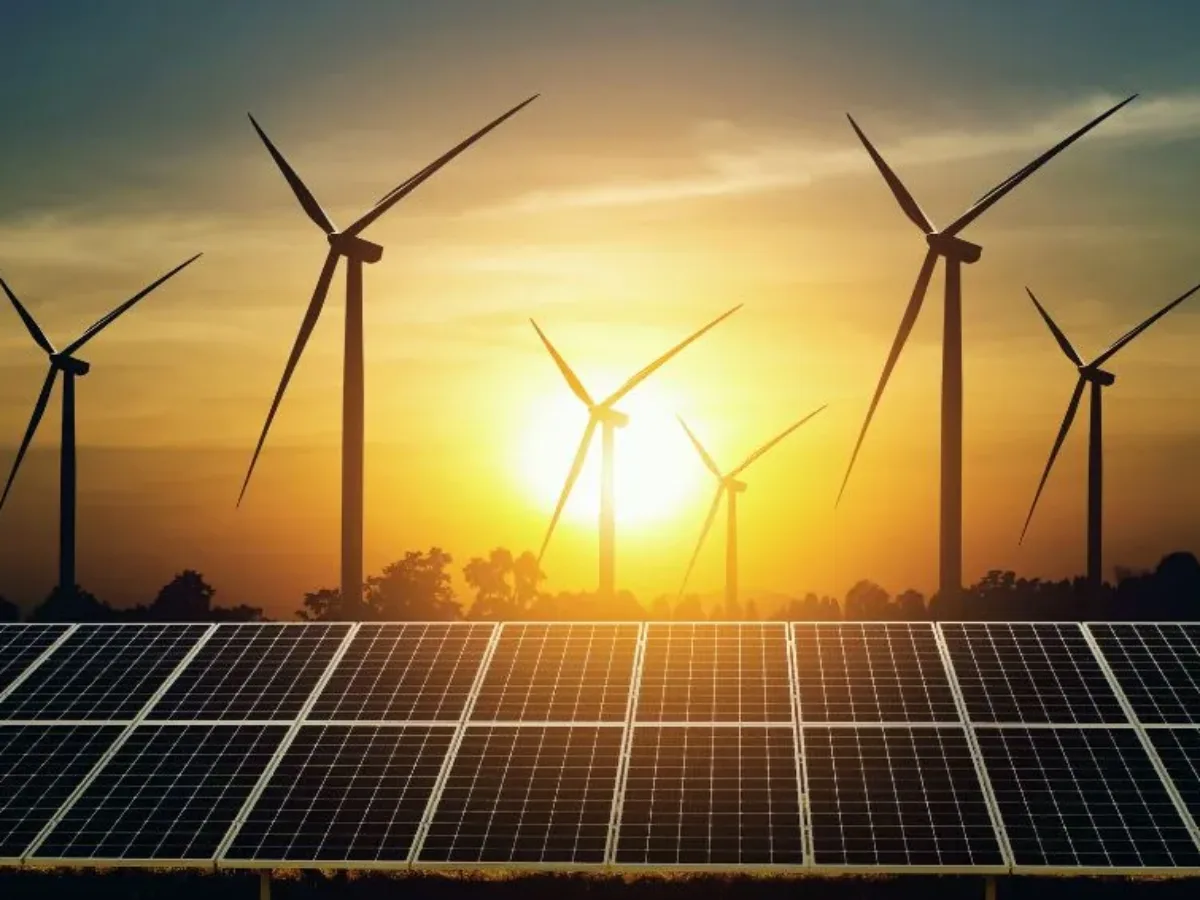
Renewables in Europe: a strategic pillar
Clean energies already represent 46% of energy production and more than 30% of renewable electricity in the EU. Their benefits include:
- Combatting climate change: 31% growth since 2013, essential for decarbonization.
- Energy independence: reduction of dependence on imported gas and coal, increasing supply security.
- Economic competitiveness: wind and solar technologies cheaper than fossil fuels.
- Leadership in transition: countries like Sweden, Finland, and Denmark exceed 40-50% renewable energy, while the EU as a whole increases its record of clean energy consumption.
Social and environmental impact
The Portuguese advance has not only economic implications but also social and environmental:
- Creation of green jobs: the renewable sector drives new job opportunities in engineering, maintenance, and technological development.
- Reduction of emissions: the high participation of hydroelectric and wind reduces the national carbon footprint.
- Tourism and international reputation: Portugal positions itself as a benchmark in sustainability, attracting investments and strengthening its global image.
Portugal’s leadership in January 2026 demonstrates how the combination of hydroelectric and wind can transform the national energy mix. This advance reinforces energy security, reduces dependence on fossil fuels, and positions the country as a European leader in the fight against climate change and in building a sustainable future.



