



Renewable energies are already the most economical option in more than 85% of new energy projects, according to the International Renewable Energy Agency (IRENA). This data confirms that clean sources are not only a climate solution but also a strategic pillar for energy security in a context of global crisis.
In 2025, 692 gigawatts of renewable capacity were added, a historic record that consolidates the sector’s expansion. Since 2010, costs have drastically decreased:
- Solar: -87%
- Onshore wind: -55%
- Battery storage: -93%
Hybrid solutions (solar + batteries or wind + batteries) already allow for continuous 24-hour supply at prices lower than many fossil fuel plants.
Energy security and geopolitics
IRENA’s report warns that systems based on fossil fuels are vulnerable to price volatility and geopolitical tensions, such as the conflict in the Middle East. The rising cost of energy impacts the entire economy, increasing inflation and especially affecting the most vulnerable communities.
Francesco La Camera, director of IRENA, emphasized that renewables are “a strategic national security issue” and urged governments to prioritize investments in electrification and clean energies.
Proposed measures by IRENA
- Short term: deployment of distributed renewables, savings campaigns, flexible tariffs, tax incentives, and solar mini-grids in remote areas.
- Medium term: accelerate generation and grid projects, strengthen investment, and improve flexibility with storage.
- Long term: clear regulatory frameworks, industrial electrification, and strengthening of local supply chains.
The current energy crisis, far from being just a threat, is an opportunity to redesign the global energy system towards more resilient and sustainable economies.
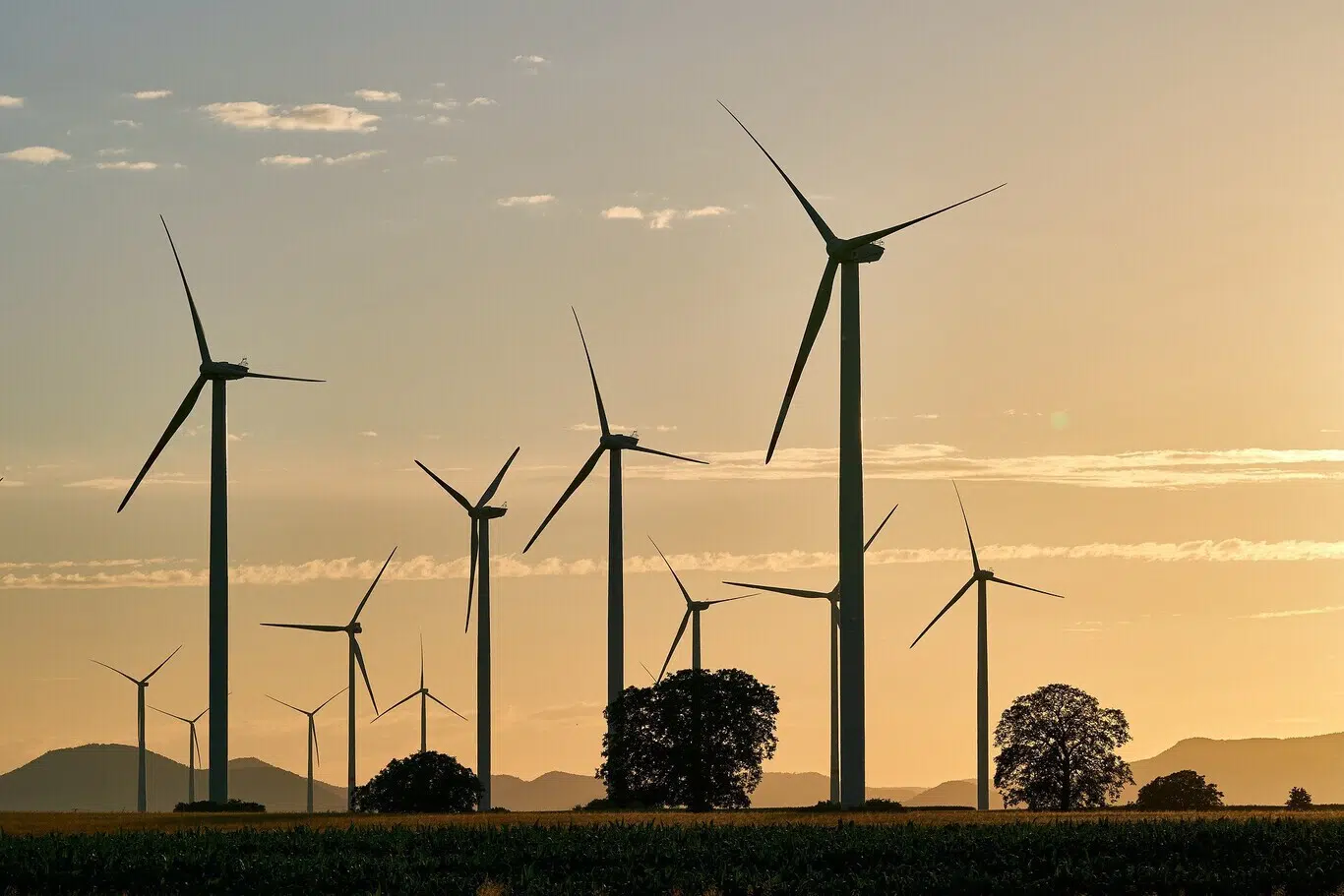
Argentina: a standout case in the region
In Argentina, renewables cover nearly 40% of the national electricity demand by early 2026, driven by wind and solar sources. Their importance lies in diversifying the matrix, reducing fuel imports, generating employment, and decreasing greenhouse gas emissions.
Key points in Argentina:
- Historic records: between 2024 and 2025, maximum installed capacity was reached, with strong expansion of wind and solar energy.
- Contribution to the matrix: in a record month of 2025, renewables exceeded 50% of electricity generation.
- Economic benefits: less need to import fuels and more cost-competitive energy.
- Geographic potential: Patagonia for wind and the NOA for solar, positioning the country as a regional leader.
- Regulatory framework: programs like RENOVAR, MATER, and the promotion of Distributed Generation support sector growth.
Renewables are no longer an alternative but the backbone of the energy future. Their global expansion and the Argentine case demonstrate that betting on them means more security, lower costs, and greater sustainability. The energy transition is now a strategic necessity and a historic opportunity to build cleaner and more resilient economies.



