



Solar mobility is no longer just a promise and is beginning to become a viable alternative for sustainable transportation. Recent results from a European project confirmed that photovoltaic panels integrated into vehicles are capable of generating energy under real driving conditions, providing autonomy and reducing dependence on the electrical grid.
For over nine months, a fleet of electric vehicles equipped with solar sensors traveled over a million kilometers on roads in the Netherlands and Germany. The collected data detailed how well the panels on the roof and sides perform, validating predictive models for the first time that had previously only been tested in a laboratory.
The most significant finding is that the roof panels receive, on average, 50% more radiation than those installed on the sides. This difference, although expected, provides key information for the design of future cars, buses, and trucks that integrate solar technology.
The results also warn about factors that affect efficiency, such as shadows cast in urban environments or driver behavior. These variables directly impact energy production and should be incorporated into future simulation models.
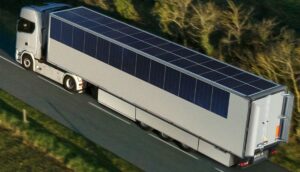 Solar panels for vehicles[/caption>
Shade and urban environment, key challenges
In densely built cities, shadows from trees, buildings, or other vehicles can significantly reduce the capture of solar energy. This necessitates designing smarter systems capable of managing real-time variations and optimizing connections with batteries and other electrical components.
The tests included vehicles of different types: from delivery vans to urban buses and cargo trucks. In all cases, it was confirmed that, although generation levels vary, the energy contribution is real and significantly complements consumption.
The project also demonstrated the importance of validating simulations with empirical data. The recorded data showed a notable match between the expected and measured values, confirming the robustness of the models and their usefulness for planning future developments.
Solar energy on wheels
The use of solar panels in electric vehicles opens a transformative opportunity for energy transition. By generating part of their own electricity, vehicles reduce the need for frequent recharging, thereby alleviating pressure on the charging infrastructure.
In Southern Europe, a passenger car equipped with solar panels could save up to 50% of energy in a year. In central regions of the continent, where solar radiation is lower, the percentage drops to around 35%, though it still represents a significant contribution.
This level of energy autonomy is particularly valuable in areas with limited charging infrastructure. It can also benefit urban logistics, where delivery fleets or public transportation could reduce costs and emissions through integrated solar generation.
The technical viability of the system is enhanced by its adaptability. Solar panels can be integrated into the roofs, sides, and flat surfaces of vehicles of different sizes, expanding the application possibilities across various mobility sectors.
 Electric vehicle autonomy
Solar vehicles: looking towards the future
The European project will continue until 2026, expanding its tests to sunnier regions such as Southern and Eastern Europe. There, more precise seasonal data is expected, especially in summer when radiation reaches its peak levels.
The final report will include technical and regulatory recommendations to promote the adoption of this technology. The European Union could use these results as a basis for new regulations that encourage solar charging and mobility with a lower environmental footprint.
The validation of integrated photovoltaics in vehicles marks a turning point towards cleaner transportation. With empirical data support, the future of solar mobility is no longer a distant ideal but becomes a real alternative, capable of combining energy efficiency, technological innovation, and ecological commitment.



