



The solar ambulance Stella Juva emerges as an innovative response to the challenges of healthcare access. Consequently, it proposes an autonomous model based on clean energy.
The development is the result of collaboration between AIKO and Solar Team Eindhoven. Additionally, it integrates energy generation within the vehicle itself.
Unlike traditional systems, it does not rely on fossil fuels. Therefore, it can operate in environments without an electrical grid or stable logistics.
An autonomous system in vulnerable territories
In many isolated regions, medical care faces structural limitations. However, Stella Juva introduces a sustainable alternative.
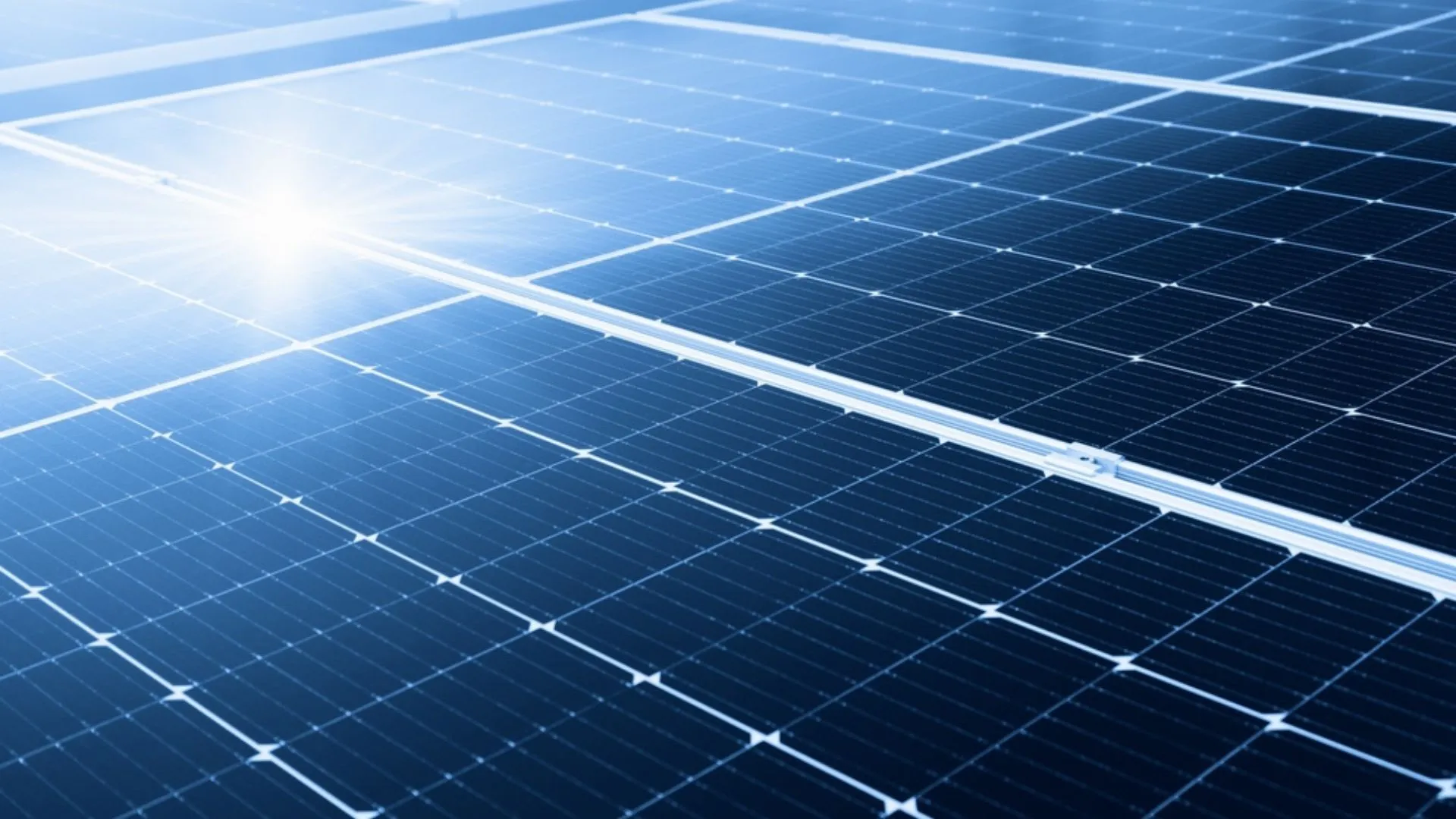
Thanks to its integrated solar panels, the vehicle generates real-time energy. Additionally, it powers both propulsion and medical equipment.
As a result, dependency on external factors is reduced. In this way, it improves the response capacity in rural or disaster-affected areas.
Moreover, this autonomy allows for extended operation times. Therefore, it expands the reach of healthcare assistance.

ABC Technology: efficiency and sustainability
The technological core of Stella Juva is based on All Back Contact solar cells. In this regard, they eliminate front contacts to capture more light.
Additionally, this technology improves efficiency in reduced surfaces. Therefore, it is ideal for vehicles.
Moreover, it presents less degradation over time. Consequently, it ensures sustained performance.
On the other hand, it reduces the use of silver in its manufacturing. In this way, it decreases the environmental impact of the system.
From experimentation to social solution
The Solar Team Eindhoven team had already developed prototypes like Stella Vita. However, this project aims at a concrete use.
Unlike previous initiatives, Stella Juva focuses on healthcare. Therefore, it introduces a direct benefit to society.
Additionally, it transforms mobility into energy infrastructure. Consequently, it redefines the role of emergency vehicles.
Thus, a transition is consolidated from experimental innovation to real applications. In this way, it connects technology with urgent needs.
The benefits of an autonomous solar ambulance
The implementation of this type of vehicle offers multiple advantages. Firstly, it reduces emissions in healthcare transport.
Additionally, it decreases operational costs by eliminating the use of fuels. Therefore, it is viable in systems with limited resources.
Moreover, it improves the response to climatic emergencies. Consequently, it allows action even when infrastructures fail.
On the other hand, it contributes to energy decentralization. In this way, energy is generated where it is needed. Finally, it facilitates access to basic services. Thus, it reduces the gap between urban and rural regions.
A replicable model towards the future
Stella Juva is part of a global trend of distributed energies. Consequently, it promotes resilient solutions in the face of climate change.
Additionally, its design allows for adaptations to other services. Therefore, it could extend to mobile clinics or support units.
Moreover, it proposes a new paradigm in the use of renewable energies. In this way, it expands its application beyond static generation.
Ultimately, this solar ambulance is not just a technical innovation. Thus, it represents a step towards more sustainable, accessible, and humane systems.



