



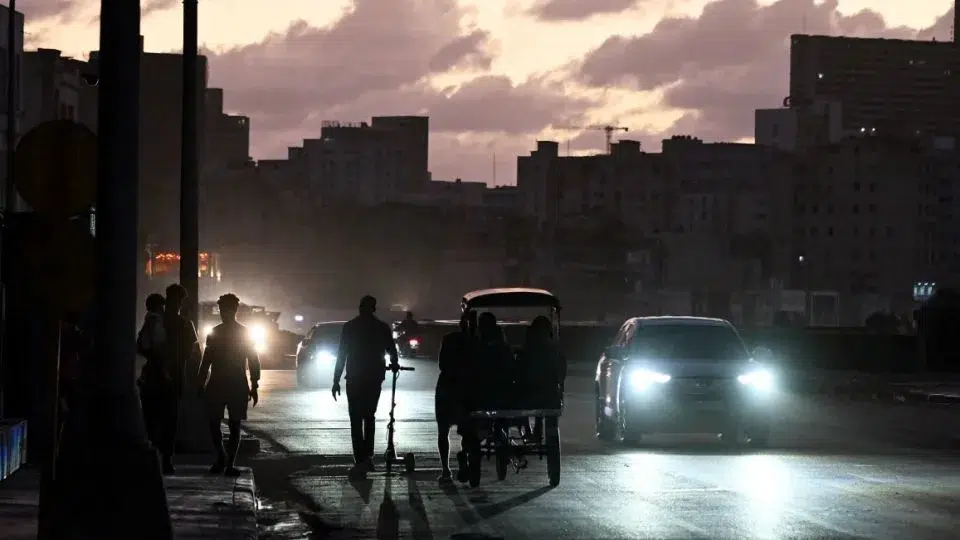
Cuba is experiencing one of the most severe energy crises in recent decades. The massive blackouts, lack of fuel, and the deterioration of the electrical infrastructure are affecting millions of people across the island.
However, at the same time, the country has begun a rapid expansion of solar projects aimed at reducing the dependence on fossil fuels.
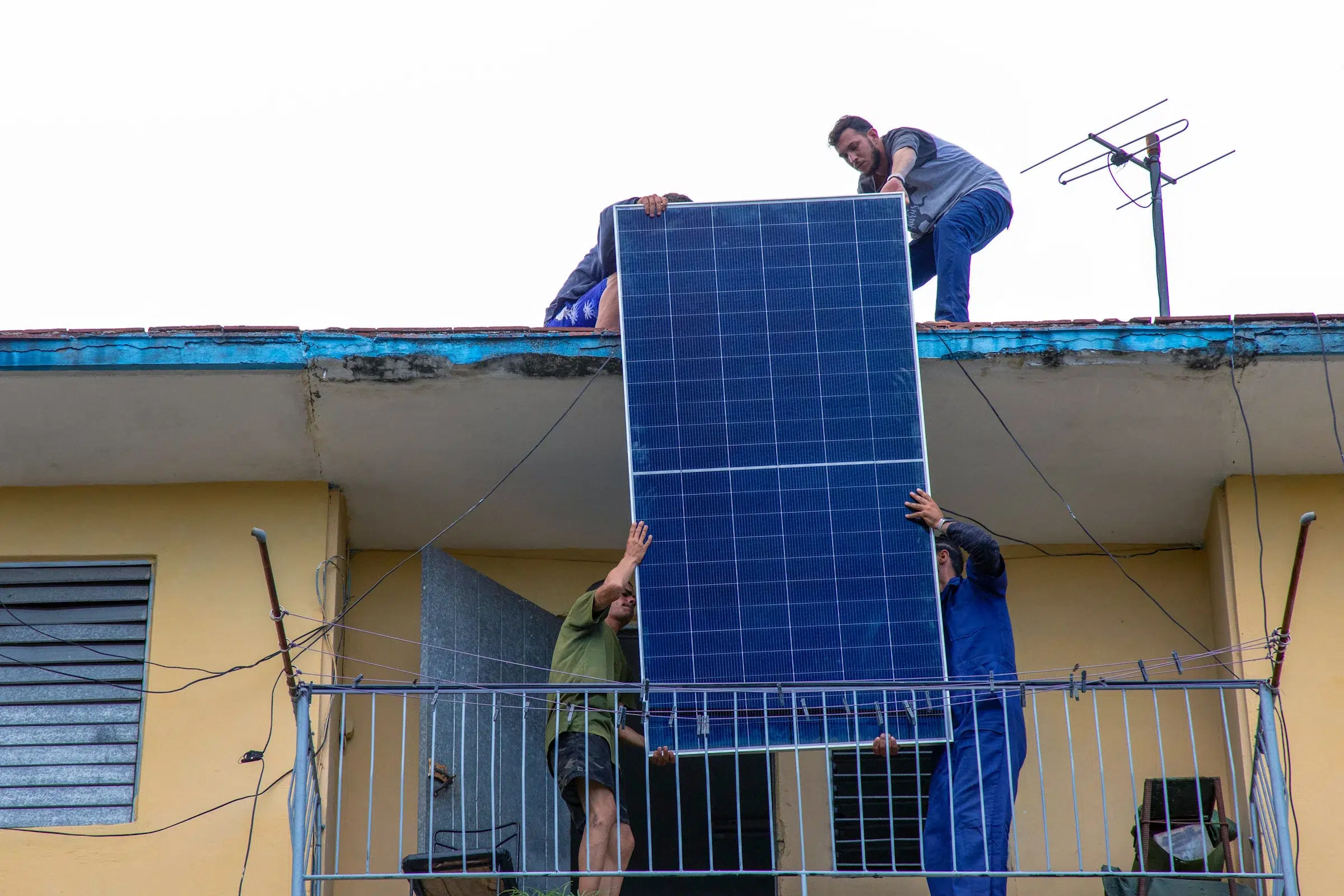
Additionally, cooperation with China has become a key element in driving this transition. In recent years, there has been a rapid increase in imports of solar panels and batteries, while new photovoltaic parks are being built in different Cuban regions.
In this context, specialists believe that the current crisis could also accelerate a structural change in the island’s energy matrix, oriented towards renewable sources that are less vulnerable to international conflicts.
The advancement of solar energy amid the emergency
The Cuban energy strategy includes the installation of 92 solar parks by 2028. These projects would allow the incorporation of nearly 2 gigawatts of clean energy into the national electrical system and supply more than 1.5 million homes.
Moreover, in just one year, Cuba managed to add around 1 gigawatt of installed solar capacity. This growth positions the country as one of the fastest-growing solar markets in Latin America, despite the economic difficulties it faces.
Currently, about 50 solar parks are already operational at various points on the island. Thanks to these projects, renewable energies have increased from representing 3% of electricity generation in 2024 to around 10% in 2025.
Furthermore, the Cuban government projects to achieve at least 24% renewable generation by 2030. The goal is to reduce oil dependency and strengthen national energy security.
A deteriorated electrical grid and a crisis affecting daily life
The Cuban energy system has historically depended on imported oil. For decades, the island received fuel from the Soviet Union and later from Venezuela, through regional cooperation agreements.
However, economic restrictions, international sanctions, and the drop in supplies worsened the situation. As a result, in 2025, several national blackouts were recorded, leaving millions of inhabitants without electricity.
Moreover, the prolonged outages impacted hospitals, public services, and productive activities. In many cities, garbage piled up in the streets, and numerous families resorted to firewood for cooking due to the lack of energy.
Added to this is the aging of the Cuban electrical grid, which has faced structural problems for years and struggles to respond to the growing energy demand.
The environmental and economic challenges of the transition
Although the solar expansion represents a sustainable alternative, specialists warn that the Cuban energy transition still faces major financial and technical obstacles.
The installation of solar systems and batteries requires multimillion-dollar investments. Additionally, photovoltaic energy depends on climatic conditions and needs storage infrastructure to ensure supply during the night or on days with low solar radiation.
There are also ongoing difficulties related to the deterioration of the electrical distribution networks. For this reason, many analysts believe that renewable energies have not yet fully resolved the everyday supply problems.
The energy crisis in Cuba and its environmental consequences
The energy emergency in Cuba reflects the vulnerability of systems based on imported fossil fuels. Oil dependency exposes countries to geopolitical conflicts, price increases, and trade restrictions that directly affect the population’s quality of life.
Moreover, the intensive use of petroleum derivatives increases pollutant emissions and contributes to climate change. In this scenario, renewable energies emerge as a strategic tool to reduce emissions and strengthen energy autonomy.
However, the transition requires planning, sustained investments, and technological modernization. In Cuba, the challenge is to combine the urgency of resolving blackouts with the need to build a cleaner, more resilient, and sustainable electrical system for the future.


