



For decades, coal and oil were the driving forces of global growth. Today, amid new geopolitical competition, clean energy has become the ground where the future is defined. In this scenario, China emerges as a central player, rapidly advancing towards becoming a green superpower.
Records Achieved in 2024
China remains the largest emitter of carbon dioxide, but at the same time leads the development of renewable energies:
- Solar energy: installed more panels than the rest of the world combined, reaching a capacity of 888 GW.
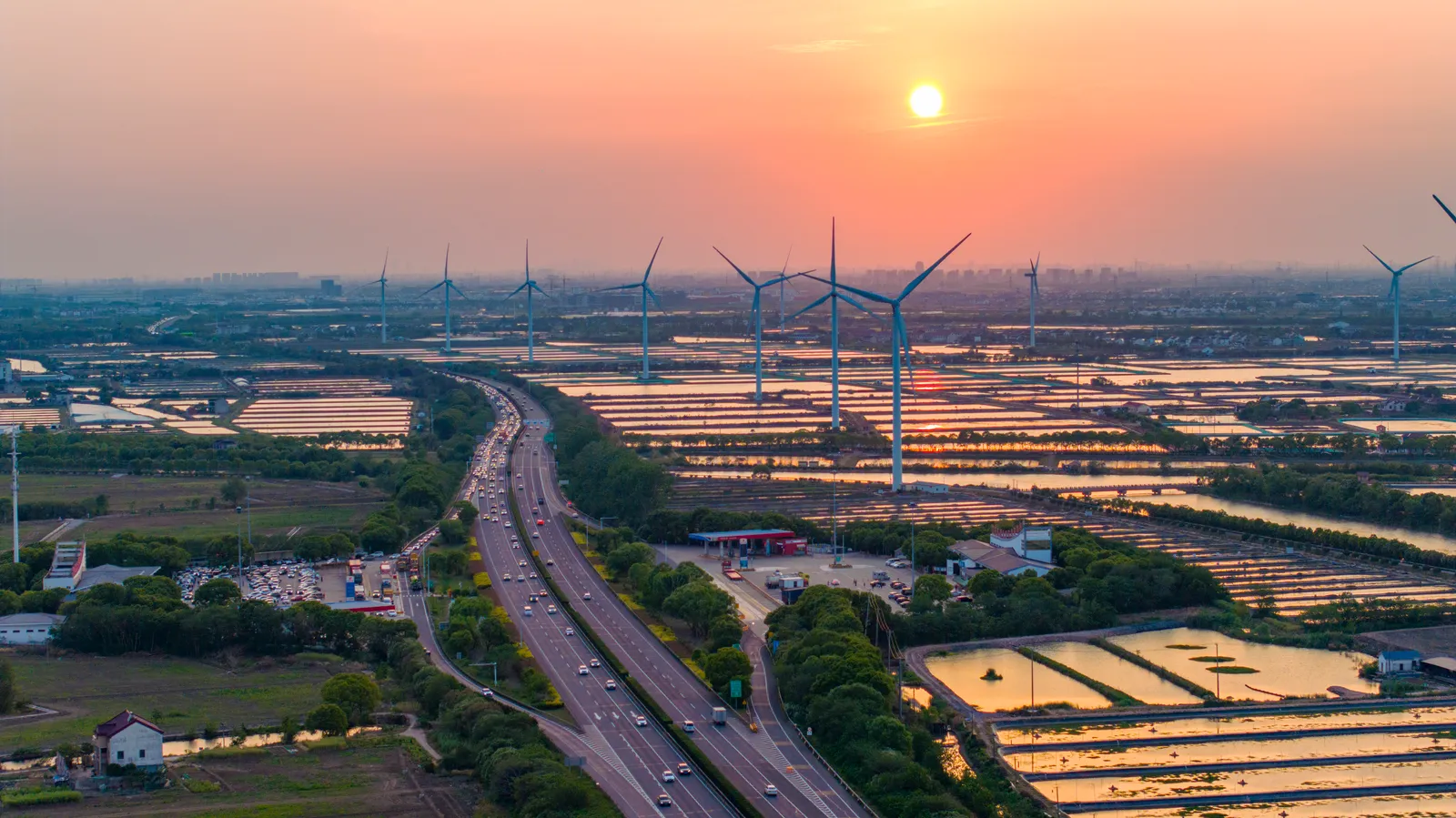
- Wind energy: added nearly 80 GW additional, capturing 70% of the new global market, with a total capacity of 561 GW.
- Hydroelectric energy: accounts for approximately 30% of the world’s capacity.
This accelerated growth allowed China to meet in 2024 goals that were originally set for 2030, six years ahead of schedule.
Long-Term National Strategy
The progress is not accidental. It is part of a strategy that combines:
- Technological innovation.
- Massive state investment.
- Industrial development.
China produces more solar panels than the rest of the world combined and dominates much of the global supply chain for clean technologies, including batteries and wind turbines. This industrial capacity directly influences the cost and availability of clean energy globally.
Climate Goals
The country has set out to:
- Reach the peak of emissions before 2030.
- Achieve carbon neutrality by 2060.
To achieve this, it invests in smart grids, energy storage, and industrial electrification, creating a system increasingly reliant on renewable sources.
Global Context
While China accelerates its transition, other countries face political debates and setbacks in their climate commitments, widening the gap in global energy leadership.
The International Monetary Fund already labeled it in 2016 as a green superpower, and recent advances consolidate that position.
The transformation is not without tensions:
- China continues to use large amounts of coal to sustain its economic growth.
- The coexistence between clean and fossil energies reflects an intermediate stage of transition.
- The challenge is to progressively reduce coal dependency without affecting economic stability.
China is redefining the global energy map. Its ability to install renewables on a large scale, dominate supply chains, and set ambitious goals positions it as the main green superpower of the 21st century. Although coal remains a contradiction in its model, the magnitude of its energy transformation sets the course for the global transition towards a more sustainable future.



