



In the midst of a climate crisis that hits the territories of the Global South particularly hard, 16 young leaders from Latin America, Africa, and Asia are preparing to arrive at the COP30 with a strong message: climate justice will only be possible if those who inhabit and protect the territories have full participation in international governance.
Life of Pachamama and the Path to Democratization of the South
The delegates are part of the global mission of Life of Pachamama, a youth organization that promotes the program Path to Democratization of the South.
Over six months, 10,748 participants strengthened their skills in:
- Community leadership.
- Climate diplomacy.
- Strategic communication.
- Territorial action.
From this collective process emerged the team that will represent the Global South at COP30, chosen for their community commitment and their ability to connect local struggles with the international agenda.
The Declaration of the Global South
The result of this work is the Declaration of the Global South, a document that gathers the voices and proposals of children, adolescents, and young people from territories historically excluded from the environmental agenda.
“For years, the South has been seen only as a victim of climate change. Today we demonstrate that we are territory, proposal, and political power,” stated Juan David Amaya, executive director of Life of Pachamama.
The declaration demands:
- Full and binding participation of youth in global socio-environmental governance.
- Protection of environmental defenders.
- Decentralization of decision-making processes.
- Democratic access to information.
The document can be supported by any citizen at www.lifeofpachamama.org/declaratoria.
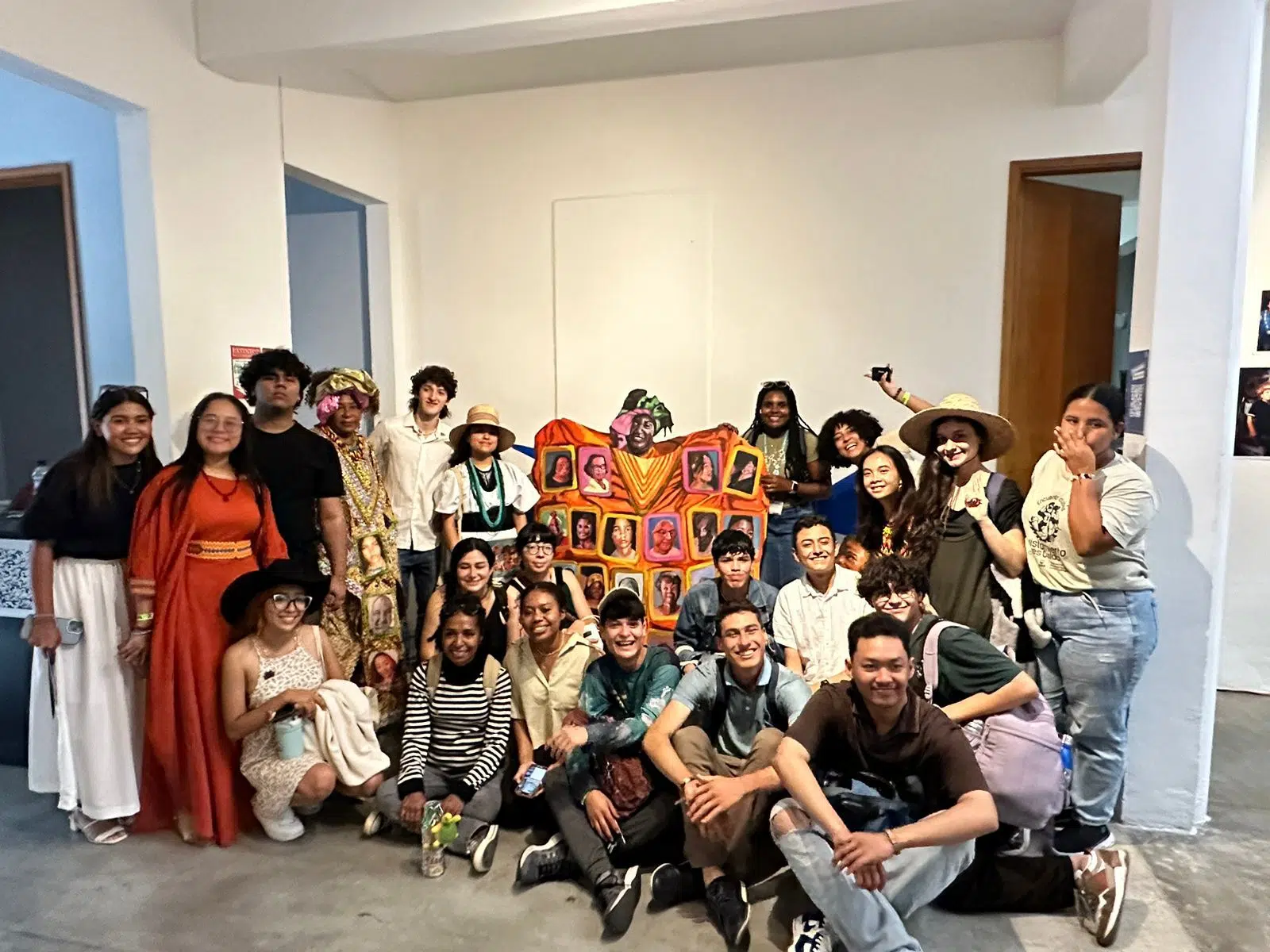
Presence at COP30
The delegation will participate in:
- Multilateral meetings.
- Side events.
- Youth advocacy spaces.
Their goal is to bring the message of thousands of young people who defend life from their territories and promote a fair, inclusive, and sustainable climate model.
Climate Justice: A Non-Negotiable Principle
Climate justice addresses the unequal distribution of climate change impacts, ensuring that the most vulnerable communities —those who contribute the least to the problem— have access to resources and participation in decision-making.
Reasons for its Importance
- Addresses inequality: poor populations disproportionately suffer the effects of climate.
- Protects vulnerable communities: women, indigenous peoples, and racialized communities.
- Promotes equitable solutions: countries with higher historical emissions must take on more responsibilities.
- Recognizes human rights: guarantees the right to a healthy environment and life.
- Includes losses and damages: addresses irreversible impacts that cannot be mitigated.
- Involves legal and political changes: opens the door to legal actions against governments and companies.
A South That Demands to Be a Protagonist
The presence of this delegation at COP30 will remind that the future of the planet is not negotiated without the South: it is built with it.
Life of Pachamama, as a global socio-environmental organization led by young people, reaffirms its commitment to environmental education, youth leadership, and intergenerational participation in transforming the climate model.



