



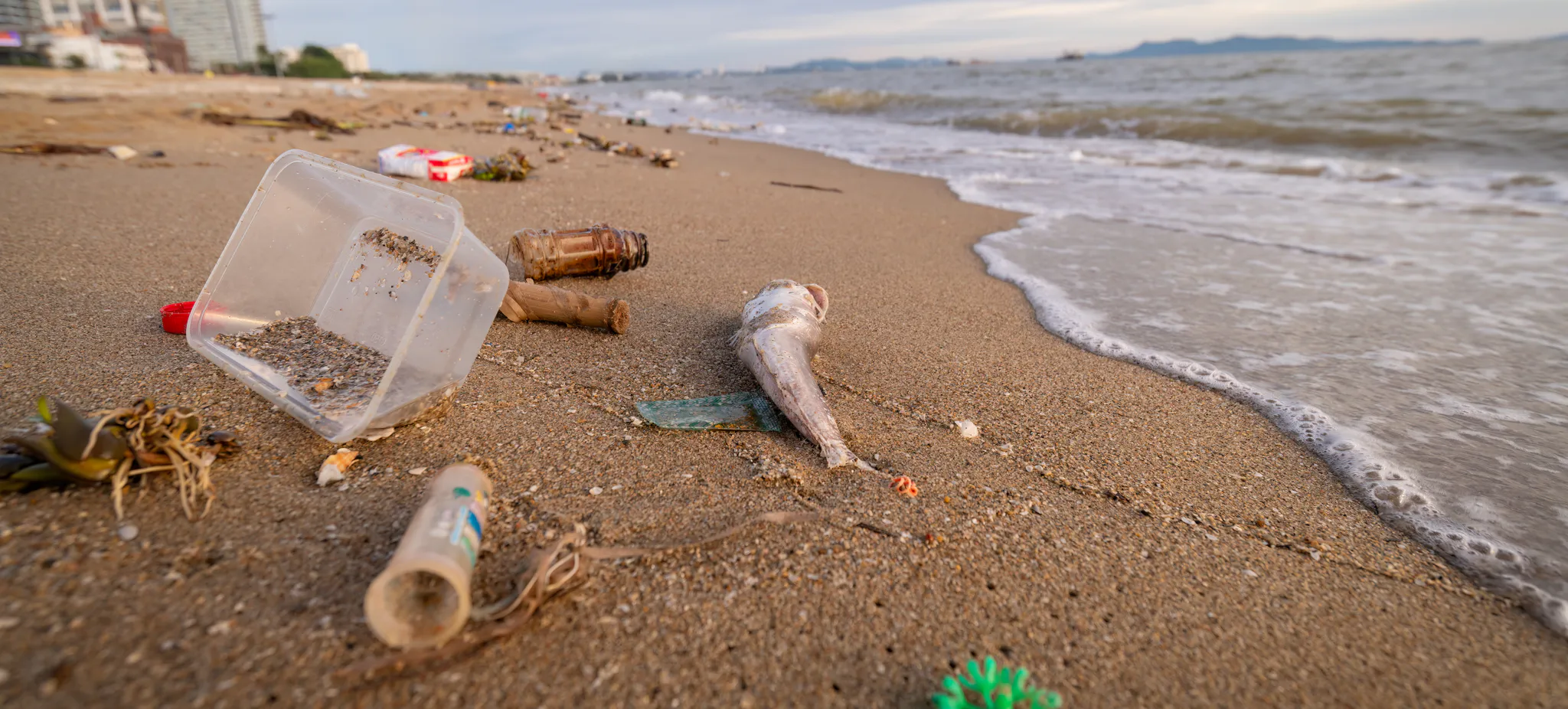
The 8th Provincial Marine Coastal Waste Census (2025), conducted by the Buenos Aires Coastal Network (RECOBO), confirmed that 78.36% of the waste found on Buenos Aires beaches is plastic.
The survey was carried out in 17 coastal localities, with the participation of 457 volunteers and 50 institutions, covering more than 172,000 m² of surface area. A total of 39,826 waste items were recorded, consolidating a trend that has been maintained for years.
Plastics and cigarette butts: the main pollutants
- Plastic fragments: represent 27.32% of the total. They come from the degradation of larger objects that do not biodegrade, generating microplastics that enter the food chain.
- Cigarette butts: account for 21.34%. They are composed of cellulose acetate, release nicotine and heavy metals, and affect water quality and coastal fauna.
- Fishing waste: nets, ropes, and abandoned fishing lines that cause entanglements and injuries to marine mammals, birds, and turtles.
Impact on marine fauna
The Fundación Mundo Marino warns that a large proportion of the assisted animals show interaction with plastic waste, either through ingestion, entanglements, or injuries. In the case of the sea turtles, the confusion of bags and wrappers with natural food causes obstructions and severe clinical conditions.
In marine and coastal birds, waste can promote intoxications such as avian botulism, linked to altered environments with waste accumulation. These episodes cause extreme weakness or paralysis, compromising the survival of the species.
A global problem
Plastic pollution is one of the planet’s main environmental challenges. According to the UN, the world produces more than 430 million tons of plastic per year, and between 80 and 90% of global marine waste is this material. Its persistence in the environment and its massive use explain its predominance on the coasts.
Sources of pollution in Buenos Aires
Marine waste on Buenos Aires beaches comes from multiple sources:
- Drag of urban waste by rivers and drainage systems.
- Action of wind and tides.
- Direct disposal in coastal environments.
- Loss or abandonment of materials associated with fishing and other productive activities.
The value of the census
The Provincial Marine Coastal Waste Census, conducted annually since 2016, is a key tool for:
- Monitoring the state of the beaches.
- Identifying pollution patterns.
- Generating information to improve waste management policies.
- Promoting responsible consumption habits.
- Since 2025, the initiative is organized under the RECOBO alliance, which brings together municipalities, educational institutions, NGOs, and environmental collectives.
Participating localities and institutions
The census included localities such as San Pedro, Punta Lara, San Clemente del Tuyú, Pinamar, Villa Gesell, Mar del Plata, Necochea, Bahía Blanca, and others. More than 50 institutions participated, including the Fundación Vida Silvestre Argentina, Surfrider Argentina, Fundación Mundo Marino, Ministry of Environment, schools, cooperatives, and local environmental collectives.
The census confirms that plastics are the main pollutant of Buenos Aires beaches and that their impact on marine fauna is severe and growing. Prevention, reduction at the source, and proper waste management are essential actions to protect coastal ecosystems and ensure the health of the species that depend on them.



