



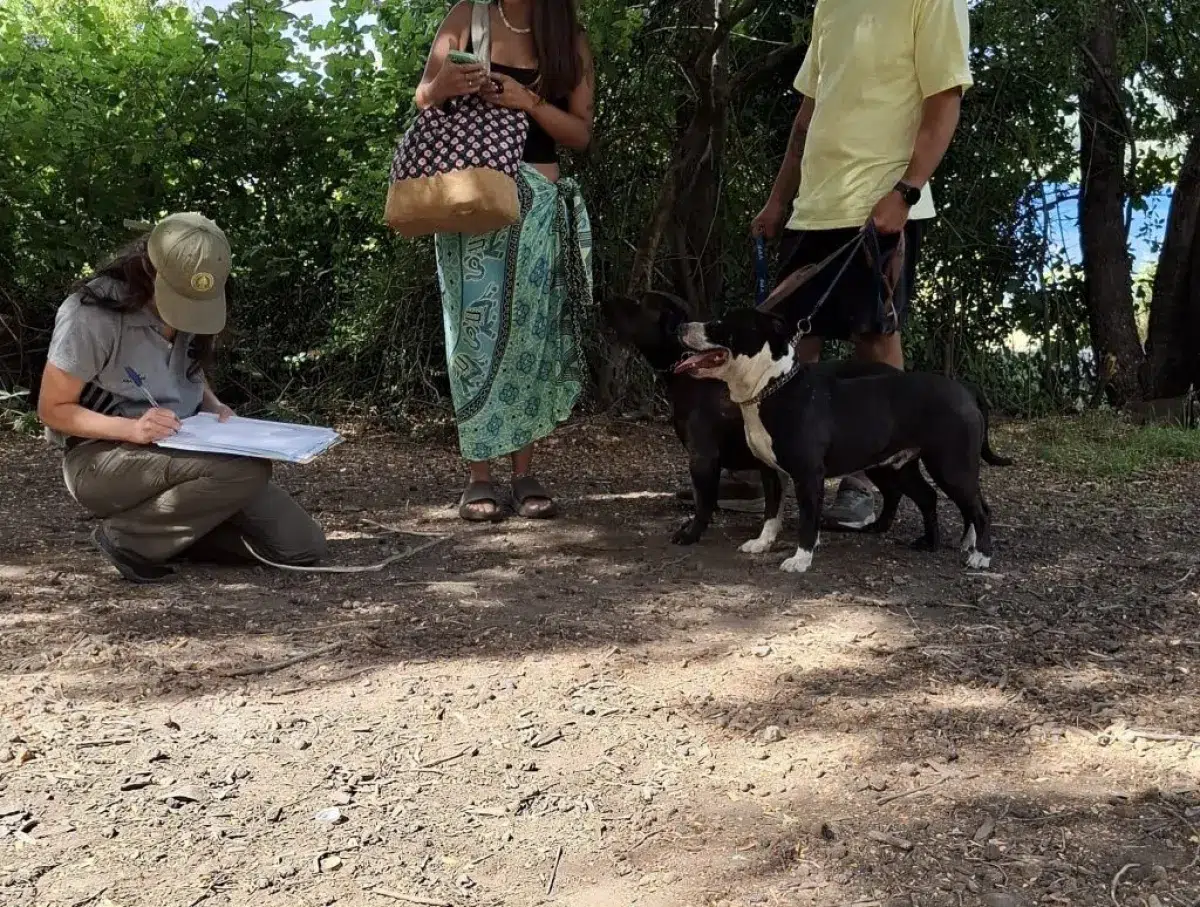
The **Nahuel Huapi National Park**, one of the [natural icons of Argentine Patagonia](https://noticiasambientales.com/turismo/el-chalten-senderos-glaciares-y-cultura-en-uno-de-los-destinos-mas-emblematicos-en-el-corazon-de-la-patagonia/), is facing a concerning situation. According to data from the **Park Rangers Department**, between January 2024 and mid-2025, [more than 400 infringement reports](https://noticiasambientales.com/turismo/el-chalten-senderos-glaciares-y-cultura-en-uno-de-los-destinos-mas-emblematicos-en-el-corazon-de-la-patagonia/) were recorded, reflecting a pattern of **irresponsible behaviors by visitors**.
The most frequent transgressions include:
– **Lighting fires in unauthorized areas**
– **Camping outside authorized locations**
– **Bringing pets**, prohibited due to their impact on native fauna
These actions, although they may seem minor, **disrupt the ecological balance** of a park that houses **unique species and fragile ecosystems**.
## Increasing Files: a Warning Sign for Environmental Management
During 2024, the Contraventions Area processed **1,234 files**, while so far in 2025, around **1,000 cases** have already been processed. These figures not only show **regulatory non-compliance** but also a **lack of respect for the natural heritage**.
## Call for Reflection: the park is not just a tourist destination
Authorities appeal to collective commitment to **protect the ecosystem**.
“Beyond the sanctions, it is important that people understand the damage they can cause with their actions,” said the Park Rangers Department.
The message is clear: **Nahuel Huapi National Park is a living ecosystem**, and its conservation depends on the **responsibility of those who visit it**.
## Why Care for National Parks?
**Biodiversity reservoirs, environmental services, and human well-being**
National parks fulfill essential functions for the planet and society:
### Biodiversity Conservation
– Shelter for native flora and fauna
– Preservation of genetic diversity
– Protection of threatened species
### Environmental Services
– Air and water purification
– Regulation of hydrographic basins
– Mitigation of climate change as carbon sinks
### Disaster Protection
– Soil stabilization
– Reduction of floods
– Natural defense against storms
### Human Well-being
– Spaces for recreation and contact with nature
– Improvement of physical and mental health
– Access to clean air and water
## Cultural, Educational, and Scientific Value
Parks as [learning scenarios](https://noticiasambientales.com/medio-ambiente/educacion-ambiental-rio-gallegos-construye-un-centro-de-interpretacion-de-flora-y-fauna-en-la-reserva-mata-verde/), identity, and sustainable development.
### Natural and Cultural Heritage
– Conservation of landscapes and ancestral cultural processes
– Identity of indigenous peoples and local communities
### Environmental Education
– Promotion of ecological awareness
– Training of new generations committed to nature
### Scientific Research
– Study of ecosystems and natural dynamics
– Basis for adaptive management of protected areas
## How to Contribute to Park Care
Small actions that generate significant **positive impacts**.
– **Respect nature**: do not extract plants, do not disturb animals, do not leave waste
– **Comply with regulations**: stay on marked trails, respect restricted areas
– **Adopt responsible habits**: reduce consumption, use clean energy, minimize ecological footprint


