



A truck loaded with six adult olive trees was intercepted on BR-163, at the entrance to Santo Antonio do Sudoeste, Brazil. The vehicle, which entered from Misiones, Argentina, was traveling on a rural road frequently used for illegal activities.
The operation was the result of prior intelligence research that alerted authorities about suspicious movement. The trees, without legal documentation, were seized by Brazilian authorities and taken to the Federal Revenue Service for evaluation.
The olive specimens, about 30 years old, are highly valued in the Brazilian gardening market. Depending on the thickness of the trunk, their value can range from 4,000 to 100,000 reais, making them an attractive commodity for trafficking.
The truck driver claimed to be unaware of the origin of the cargo and stated that he had been hired solely for transportation purposes. The final destination was the city of São Paulo, where they were presumed to be used for ornamental purposes.
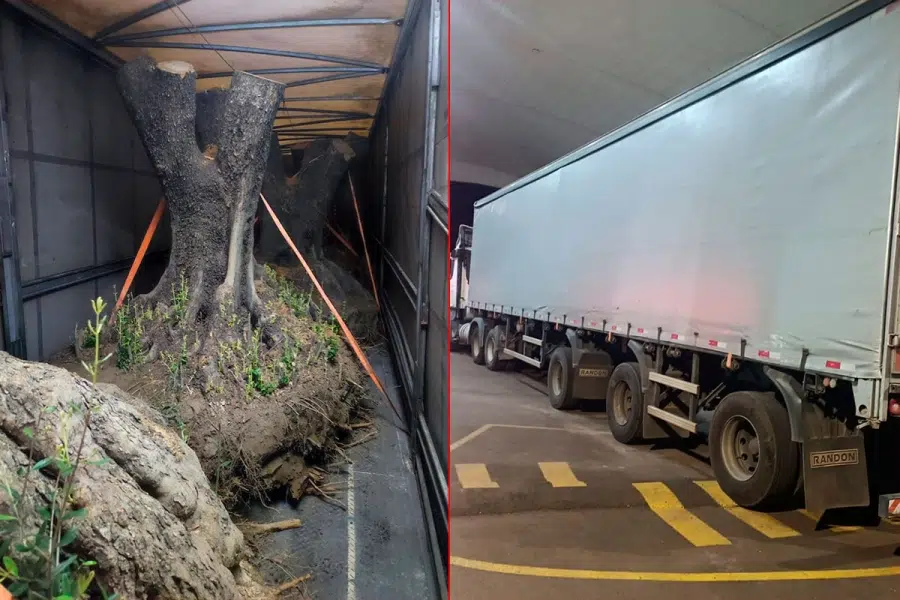 Intercepted a truck at the border with Brazil transporting illegally six olive trees. Photo: El Once.
Olive Trees in Demand
The use of adult trees in landscaping has driven a growing demand for olive trees in Brazil. Their thick trunks and twisted shape make them desired pieces for luxury gardens, parks, and tourist ventures.
This illegal trade not only violates customs regulations but also poses ecological risks. The unregulated transport of live species can spread plant diseases or disrupt the balance of native ecosystems.
Similar cases have been reported at other border points. Just a few weeks ago, the police in Entre Ríos intercepted a shipment with seven olive trees from Mendoza, showing an expanding pattern.
The smuggling of flora represents a silent threat to biodiversity. The protection of plant species should not be limited to ornamental aspects but should be integrated into conservation policies on both sides of the border.
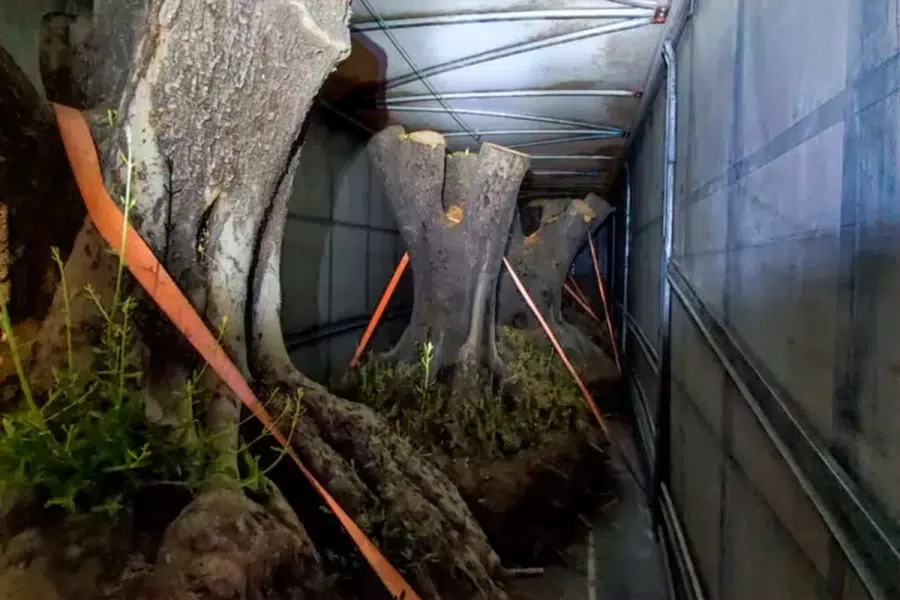 In Brazil, an olive tree is worth between 4,000 and 100,000 reais. Photo: El Once.
The High Value of These Trees in Brazil
In Brazil, olive trees reach high prices due to their increasing demand in the luxury gardening and landscaping sector. Their robust appearance, especially in adult specimens with thick and aged trunks, make them highly valued elements for exclusive ornamental projects.
These trees not only provide a distinctive aesthetic but also symbols of longevity and sophistication, increasing their commercial appeal. The irregular import from neighboring countries like Argentina is partly due to the limited local production of large specimens.
The cost is also influenced by the care required during transport and the time needed for an olive tree to reach the desired maturity. Some specimens are sold for over 100,000 reais, especially when they exceed 30 years of age.



