



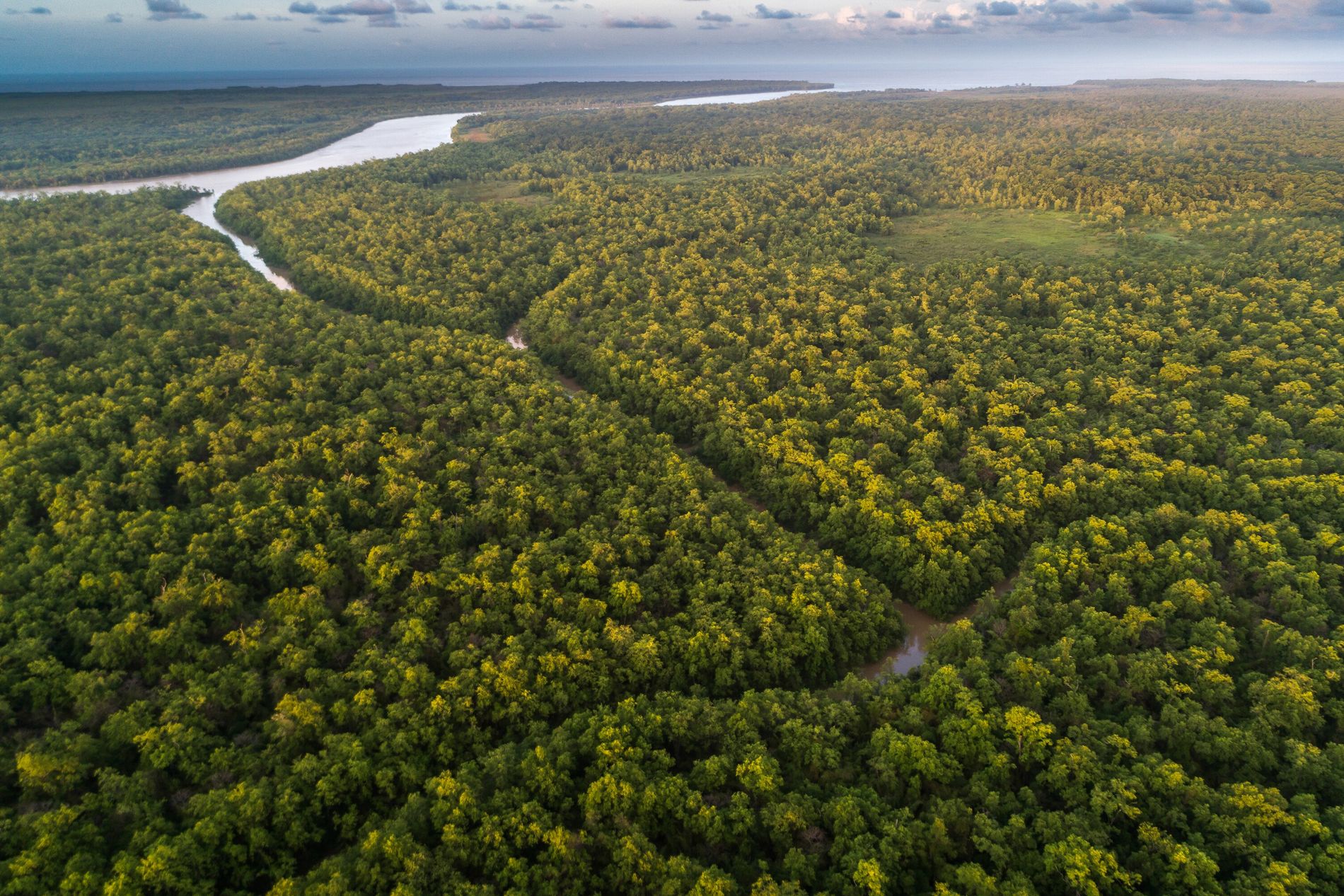
The Amazon of Brazil is going through one of the most critical moments in its history. Since 1970, it has lost a forest area larger than the size of France, which threatens biodiversity, accelerates climate change, and endangers the communities that depend on this ecosystem.
In light of this scenario, Brazil decided to make a strategic shift and bet on large-scale restoration through public-private partnerships and innovative financial mechanisms.
ProFloresta+: alliance for restoration
The ProFloresta+ program, driven by the National Bank for Economic and Social Development (BNDES) along with the state oil company Petrobras, seeks to finance forest restoration through the purchase of carbon credits.
- Initial investment: 450 million reais (more than 78 million dollars).
- Supported projects: five initiatives in 15,000 hectares.
- Goal: generate five million carbon credits and plant 25 million native trees.
- In addition to mitigating climate change and protecting biodiversity, the program is estimated to generate 1,700 direct jobs, turning conservation into a driver of sustainable development for local communities.
Financial innovation and concessions
The carbon credits market has become a key tool for financing restoration projects. Companies offset their emissions while contributing to the recovery of the Amazon ecosystem.
In parallel, Brazil granted the first public land concession for reforestation of the Amazon to the startup Re.green, which will restore and protect 58,700 hectares in the Bom Futuro reserve over 40 years.
- More than 80 native species will be planted.
- Carbon credits will be sold to international corporations.
- The company will pay the State a commission of 0.7% of its revenues, estimated at two million dollars annually.
- The Karitiana indigenous community will actively participate in the restoration, bringing their ancestral knowledge.
National objectives
The Brazilian Forest Service has already identified 1.3 million hectares in urgent need of intervention. The national goal is to reforest 12 million hectares by 2030, offering up to 300,000 hectares under the concession model by 2027.
The Brazilian strategy combines philanthropy, financial innovation, and community participation to tackle the climate crisis. With projects like ProFloresta+ and the concession to Re.green, Brazil positions itself as an international leader in the fight against deforestation and in the promotion of nature-based solutions.
The challenge is monumental, but the goal of planting 25 million trees marks a decisive step towards the recovery of the Amazon and the construction of a sustainable development model that integrates conservation, economy, and social justice.



