



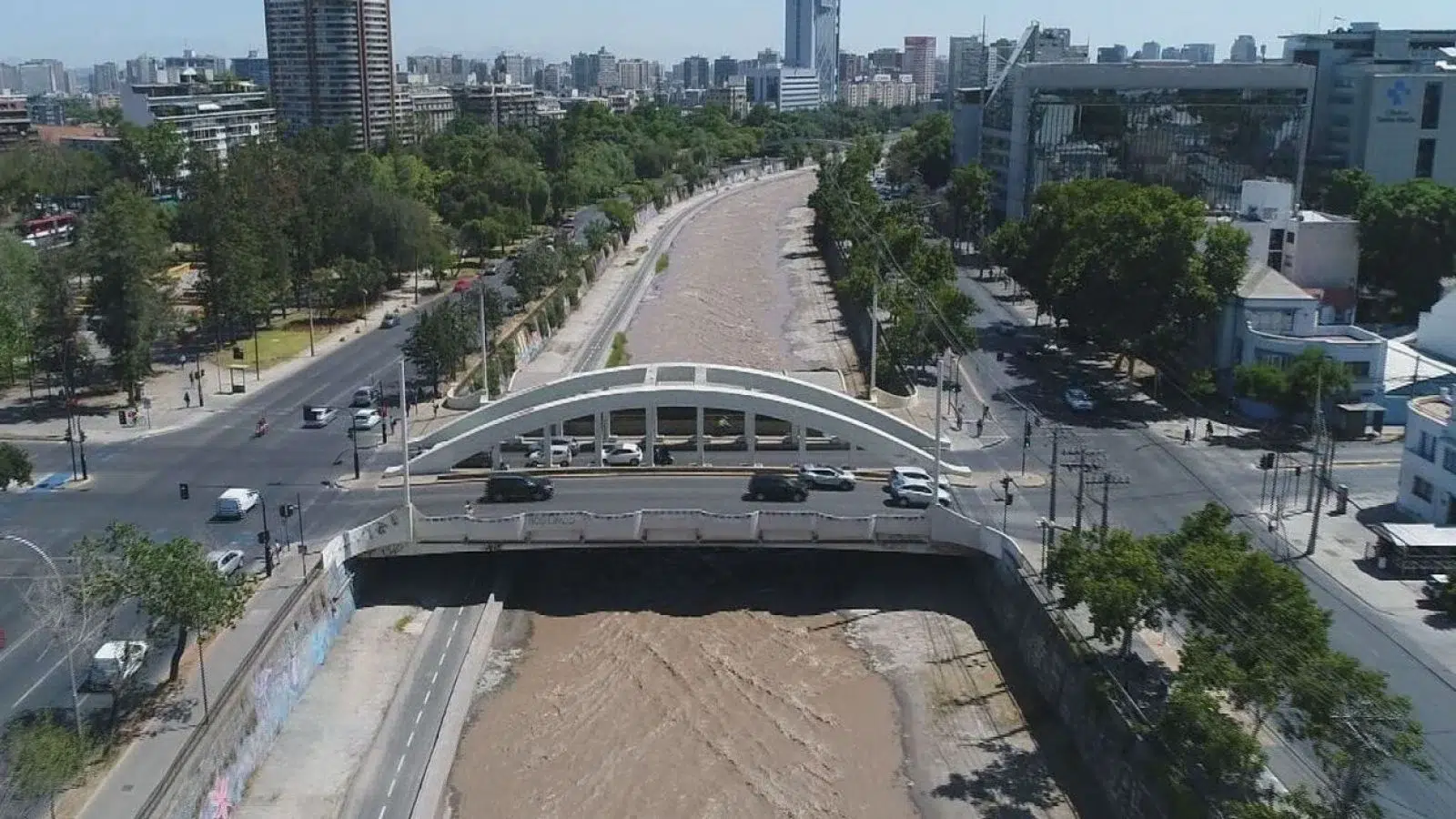
Various national and regional authorities and civil society representatives gathered at the El Trebal Biocorridor, Rinconada de Maipú, to celebrate the incorporation of the Mapocho River as an urban wetland.
The measure was made official this month through the Exempt Resolution No. 9638/2025 of the Ministry of Environment of Chile, which recognizes the body of water in its entirety within the Metropolitan Region under this category of protection.
In total, there are 647 hectares that span 13 communes: Cerro Navia, Independencia, Las Condes, Lo Barnechea, Maipú, Padre Hurtado, Providencia, Pudahuel, Quinta Normal, Recoleta, Renca, Santiago, and Vitacura.
A joint effort
The categorization was possible thanks to a joint petition from the municipalities and civil organizations such as the Mapocho Trebal Biocorridor, which promoted the initiative. It should be noted that the Mapocho River crosses 16 communes, and in El Monte, Peñaflor, and Talagante, this category had already been previously established.
The Minister of Environment, Maisa Rojas, highlighted:
“Today I am very happy with this declaration because 13 communes are joining in having this natural heritage within their territories.”
The governor of the Metropolitan Region, Claudio Orrego, added:
“The benefits this river brings us are immense: it lowers the temperature, is a refuge for biodiversity, and mitigates flood damage. More than three years ago, we dreamed of a clean and green Mapocho, today it is a reality.”
Local voices
The mayor of Maipú, Tomás Vodanovic, described the day as “a historic day”:
“After several years of work by many actors, we managed to protect one of the most beautiful treasures of the Metropolitan Region, which is the Mapocho River.”
The Regional Ministerial Secretary of Environment of the Metropolitan Region, Sonia Reyes, emphasized the importance of future maintenance:
“We are developing the Prevention and Decontamination Plan for the Maipo River Basin, which includes the Mapocho and this wetland. It will reduce pollution, improve water quality, and ensure a more sustainable future for the region.”
Environmental and climatic benefits
The Ministry of Environment emphasized that the Mapocho River is key for biodiversity protection and to mitigate the effects of climate change. Among its benefits:
- Minimizes winter floods.
- Helps to reduce high temperatures in summer.
- Functions as a biodiversity refuge.
The river is home to more than 80 species:
- 8 endemic.
- 57 native.
- 16 exotic.
Among them are the Chilean frog (Calyptocephalella gayi), the Chilean silverside (Basilichthys australis), the bagrecito (Trichomycterus aerolatus), and the long-tailed snake (Philodryas chamissonis).
A national advance
With the inclusion of the Mapocho River, there are now 145 areas declared urban wetlands in Chile, of which 17 are in the Metropolitan Region. This recognition strengthens the environmental protection network and marks a milestone in the management of the country’s urban ecosystems.
The declaration of the Mapocho River as an urban wetland represents a collective triumph of municipalities, civil organizations, and national authorities. Beyond its symbolic value, it ensures the protection of a vital ecosystem for biodiversity, climate regulation, and the quality of life for millions of inhabitants of the Metropolitan Region.



