



The advance of climate change could radically alter the distribution of malaria in Africa, according to a study by the University of Copenhagen published in Global Change Biology.
Researchers warn that millions of people could be exposed to a much higher risk of contracting the disease due to the expansion of habitats for transmitting mosquitoes.
A disease with high impact in Africa
Currently, malaria causes the death of about 600,000 people each year, mostly in sub-Saharan Africa, especially among the child population.
The World Health Organization (WHO) reminds that malaria is a potentially deadly disease, caused by a parasite transmitted by certain types of mosquitoes. It is not transmitted from person to person, but it remains one of the main health threats in tropical countries.
“The WHO African Region bears a disproportionately high share of the global malaria burden,” the organization states.
The impact of climate change
The lead author of the study, Tiem van der Deure, explained that global warming could create more favorable conditions for transmitting mosquitoes:
“Our study indicates that climate change will benefit these mosquitoes. This could put between 200 million and up to one billion people at additional risk, unless we act.”
The lowest estimate corresponds to a conservative scenario with no demographic changes, while the highest considers significant population growth.
New areas of risk and vulnerability
The study warns that the emergence of malaria in new regions could have serious consequences, as the populations of those areas lack experience in managing the disease and have very low immunity. This vulnerability could exacerbate the health and social impact.
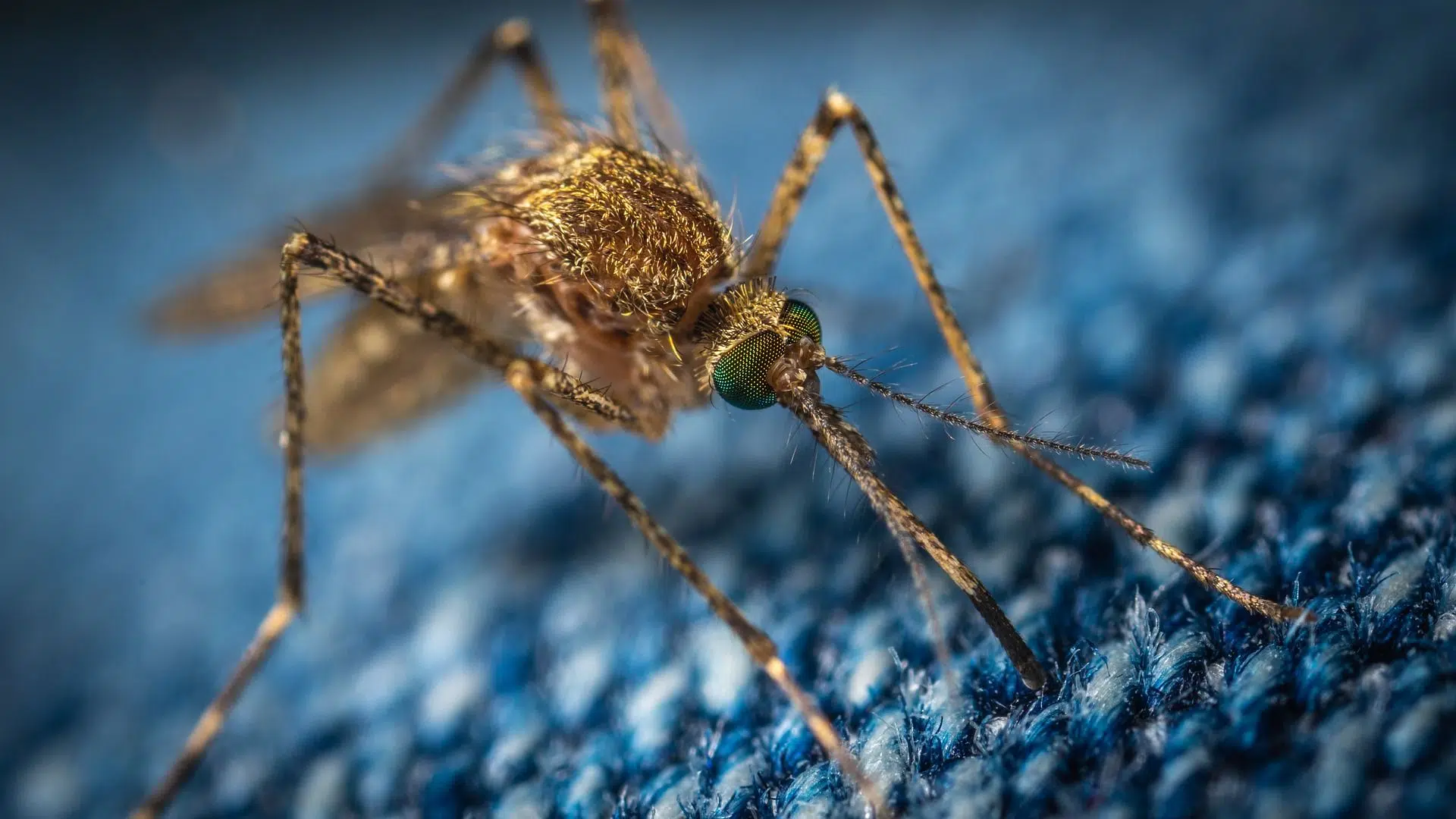
The team analyzed how six species of malaria mosquitoes would respond to the predicted climate changes. The results show that three species will expand their habitats, while the other three will not experience a significant decrease.
Associate professor Anna-Sofie Stensgaard highlighted the diversity among the species:
“For most people, mosquitoes look alike. But they differ greatly in behavior and preferred environments.”
Geographical projections
Climate models trained with thousands of observations anticipate that mosquito habitats will grow especially in eastern and central Africa, while in western Africa conditions will remain favorable for transmission.
This means that millions more people could be exposed to the disease in the coming decades.
Mitigation and international agreements
Despite the severity of the outlook, the authors emphasize that there are possibilities for mitigation:
- Meeting the goals of the Paris Agreement could limit much of the expansion.
- Preparing health authorities for the spread of malaria to new regions.
- Strengthening surveillance and prevention systems in vulnerable areas.
Professor David Nogués Bravo, co-author of the study, warned:
“Failure to meet the Paris Agreement goals is not just about rising sea levels or extreme weather events, but also about an impending public health crisis.”
Global implications
The report also warns that climate change could alter the geographical distribution of mosquitoes in other regions.
In Northern Europe, Stensgaard clarified that although temperatures are rising, there is no imminent threat of malaria in countries like Denmark. However, she reminded that globalization, international trade, and changes in land use also influence disease patterns.
The University of Copenhagen study is a global wake-up call: climate change not only threatens with extreme events or rising sea levels, but it can also trigger a major health crisis. The expansion of malaria in Africa highlights the urgent need to meet international commitments and strengthen prevention strategies to protect millions of people.


