



Climate change is no longer a future threat but a current crisis that deepens inequality and multiplies conflicts in the most vulnerable regions of the planet. In impoverished communities, the loss of water, food, and livelihoods is forcing mass displacements and social tensions that, in many cases, lead to violence.
Environmental degradation and the lack of resources have become triggers for ethnic and religious conflicts, especially in Africa and Asia, where droughts and floods destroy crops and livestock. In these areas, the line between climate crisis and humanitarian crisis has blurred.
Behind every figure are entire communities watching their natural environment disappear. For them, climate change is not a statistic: it is the direct cause of their displacement.
Forced displacements: the human footprint of global warming
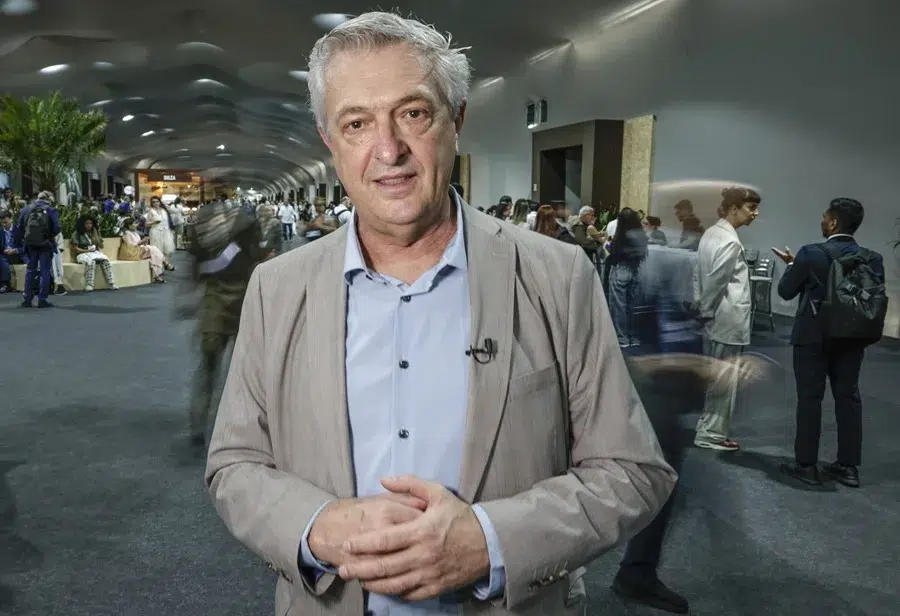
According to data from the UN Refugee Agency (UNHCR), climate disasters have caused about 250 million internal displacements in the last decade, equivalent to more than 70,000 people a day forced to leave their homes.
Three out of four refugees in the world currently live in countries with high or extreme exposure to climate risks, which exacerbates their vulnerability. These people are fleeing not only war or persecution but also unbearable heat, desertification, and lack of water.
Regions like the Sahel and the Horn of Africa concentrate the worst scenarios. In some places, the loss of livelihoods is fueling recruitment by armed groups, creating a cycle of violence and displacement that is difficult to break.
The African continent on the edge
UNHCR warns that 75% of African lands already show signs of severe degradation, threatening to exacerbate conflicts over resource access. Additionally, it is projected that by 2050, the hottest refugee camps in the world, located in Gambia, Eritrea, Ethiopia, Senegal, and Mali, will suffer more than 200 days a year of dangerous heat stress.
The consequences are devastating: loss of biodiversity, forced migrations, and increasing pressure on cities unable to absorb the flow of displaced people. Without coordinated action and sufficient international funding, the continent will face an unprecedented humanitarian crisis.
The situation highlights an urgent reality: the climate emergency is also a social emergency, and borders are no longer enough to contain it.

Latin America and the new climate frontier
Although Africa is the epicenter of the problem, Latin America is also facing a growing wave of climate-related displacements. In regions of Central America, the combination of droughts, tropical storms, and crop loss has forced thousands of rural families to migrate.
Countries like Costa Rica and Mexico are increasingly receiving climate refugees from areas where subsistence farming no longer guarantees food or income. Added to this are the fires and deforestation in the Amazon, which threaten the continent’s environmental balance.
Latin America thus faces a dual challenge: adapting to the impacts of climate change and providing humanitarian solutions to those already being displaced by it.
COP30: an opportunity for global change
The COP30, held in Belém do Pará —in the heart of the Amazon—, marks a key moment for the planet. More than 170 countries are participating in this summit with the aim of defining concrete commitments towards a just energy transition and effective financing for developing countries.
The meeting also seeks to strengthen global warming adaptation plans, integrate the most affected communities, and recognize climate-displaced people within international policies. For the first time, the conference is being held in a territory that embodies both the natural wealth and ecological fragility of the Earth.
Among the central objectives of COP30 are:
- Accelerating emissions reduction through the phased elimination of fossil fuels.
- Ensuring climate funds for vulnerable countries and displaced communities.
- Promoting ecosystem restoration and halting Amazon deforestation.
- Strengthening international cooperation in adaptation and environmental justice.
The challenge is immense: moving from promises to action, with a human and ecological approach that includes those who are currently experiencing the harshest consequences of climate change.
A future that demands solidarity and action
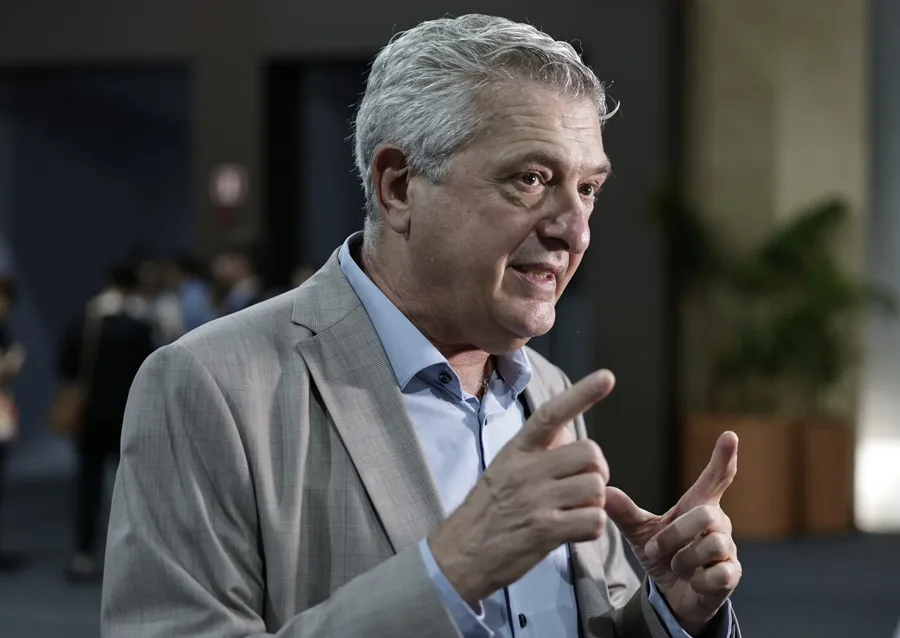
The link between climate and displacement can no longer be ignored. Millions of people are trapped between conflicts, droughts, and natural disasters, without resources to adapt or safe places to rebuild their lives.
The decisions made at COP30 will determine whether the world moves towards an inclusive green transition or continues to support a model that leaves the most vulnerable behind.
The climate emergency recognizes no borders. Only cooperation, environmental justice, and coordinated global action can halt the exodus of a planet that is slowly running out of refuge.



