



In 2021, more than 200 Magellanic penguins died in Punta Tombo, Chubut, after a man, Ricardo La Regina, entered with heavy machinery into his field within a protected area. The animals died from crushing and electrocution, during the breeding season.
La Regina was sentenced to three years of conditional imprisonment for the crime of environmental massacre, in what became the first conviction for ecocide in Argentina.
The investigation and the verdict
The case was led by prosecutor Florencia Gómez, head of the Specialized Environmental and Animal Crimes Unit.
- 92 witnesses and specialists in soils, fauna, and ecosystems were called.
- CONAE and National Geographic collaborated in the expert reports.
- Irreparable damage was accredited in high-density nesting areas, affecting adults, eggs, and chicks.
The verdict highlighted the fragility of the area, recognized by UNESCO as Patagonia Azul and by the PAICA category for its relevance in the reproduction of seabirds.
Institutional and social impact
The case generated multiple effects:
- Creation of the first specialized unit in animal and environmental law in Chubut.
- Tripling of the protection area for the Magellanic penguin in the province.
- Increased state control during arrival and breeding seasons, with wildlife guards and official surveys.
- Extensive international coverage, positioning the verdict as a precedent in Latin American environmental jurisprudence.
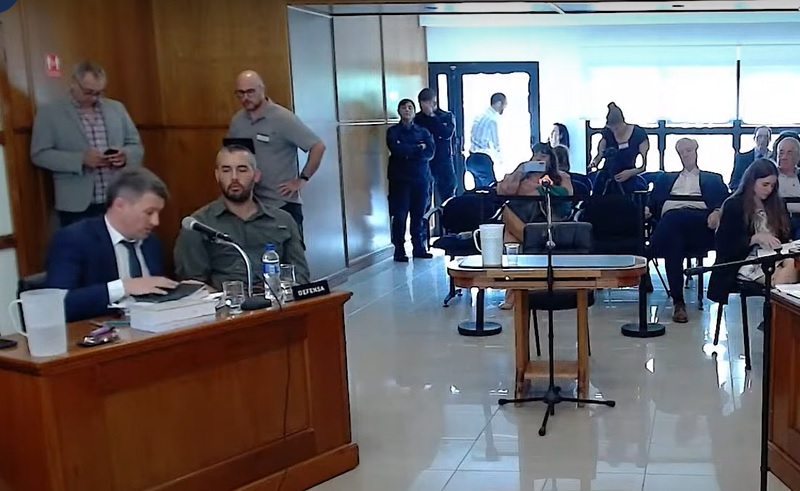
The judicial review
La Regina’s defense appealed the sentence. The Superior Court of Justice of Chubut must decide whether to uphold the conviction and set a definitive precedent in matters of ecocide and cruelty towards wild animals.
The key hearing will be held publicly, with transmission on the court’s official YouTube channel.
Statements from the prosecutor
Florencia Gómez emphasized:
“No right is absolute in this country. You cannot argue land ownership to devastate nature, because nature belongs to all of us and the State must ensure its care.”
She also highlighted that the case sends a clear message:
“No landowner can consider themselves the owner of nature. Wildlife is protected by Article 41 of the National Constitution.”
The Punta Tombo case became a historic precedent for Argentine environmental justice, introducing the concept of ecocide and forcing the reinforcement of protection for emblematic species like the Magellanic penguin.
The decision of the Superior Court of Justice will be key to determining whether this ruling is consolidated as doctrine in Latin America and as an example that nature cannot be devastated under the argument of private property.



