



Epuyén is going through one of the most critical moments in its recent history. In this context, the City Council declared the State of Catastrophe to face a fire that gives no respite.
The decision was made while new active outbreaks were being confirmed in nearby areas. Therefore, the local government began deploying extraordinary measures to protect the population and the natural environment.
Additionally, alerts were raised for possible evacuations, especially in areas where the fire advances favored by the climate and dry vegetation.
Comprehensive emergency in multiple dimensions
Through a specific ordinance, the emergency was declared in seven key areas. These include environmental, social, and health sectors, all deeply affected by the fire.
At the same time, the economic and housing impact became evident after the destruction of homes and the collapse of basic services such as water and electricity.
In parallel, the tourism sector was also compromised, worsening the situation of a community that depends on the balance with its natural environment.
Environmental damage and pressure on ecosystems
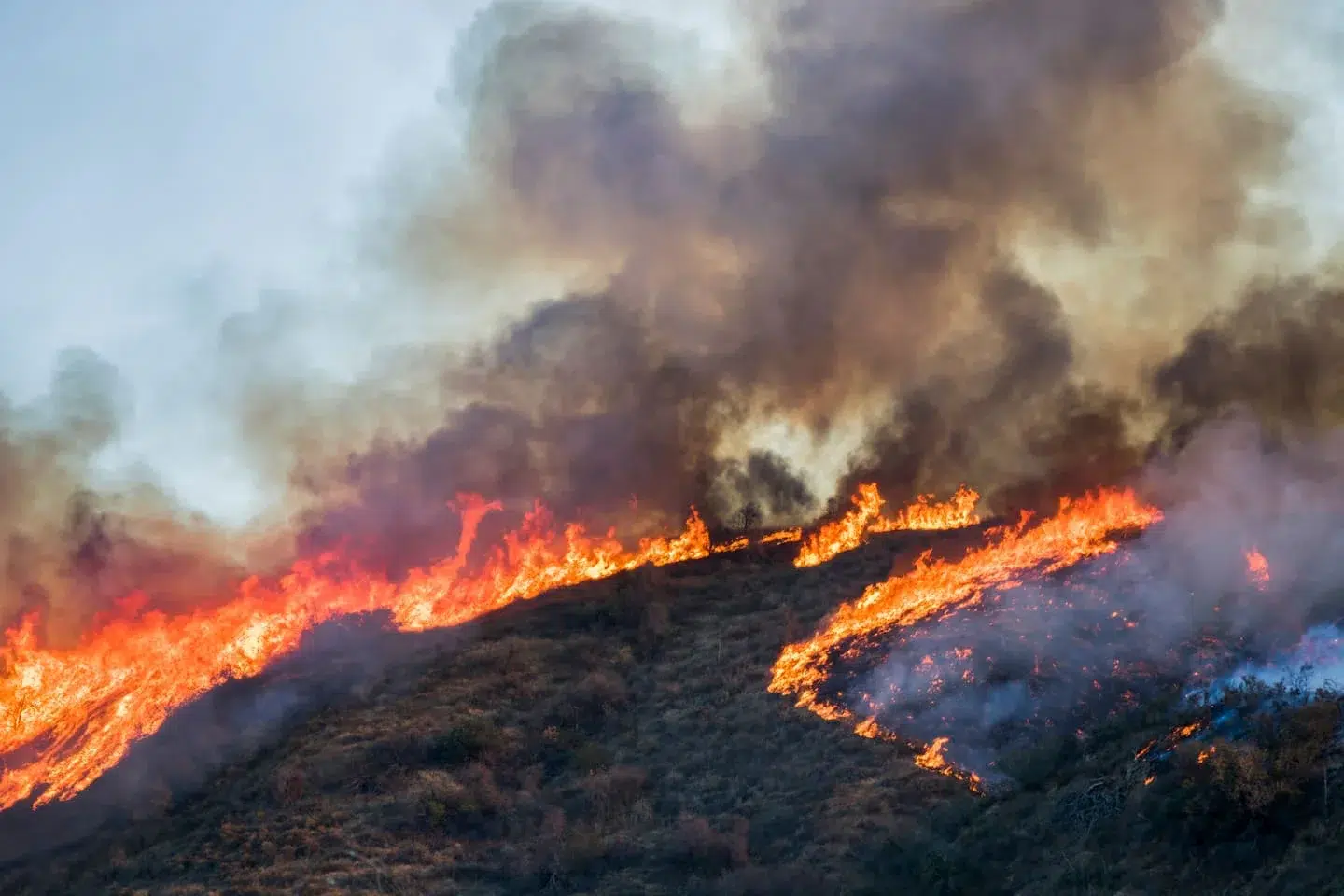
The fire, which started at the beginning of January, has already ravaged thousands of hectares of forest and productive areas. As a result, biodiversity was lost and soils and water sources were degraded.
Furthermore, the advance of the fire altered natural habitats, affecting wildlife and reducing essential ecological corridors. This loss generates long-term effects that are difficult to reverse.
Therefore, the environmental emergency not only aims to extinguish the flames but also to mitigate a profound ecological damage.
What the State of Catastrophe means
The State of Catastrophe is a legal tool that allows for accelerated decision-making in extreme situations. In this case, it enables the municipality to act without the usual administrative deadlines.
Thanks to this measure, the mayor can make direct contracts and manage urgent funds from the province and the Nation. In this way, the capacity for immediate response is reinforced.
It also involves prioritizing resources for social assistance, environmental recovery, and the prevention of new fire outbreaks.

Urgent measures and institutional coordination
While the fire remains active, coordination with provincial and national agencies has been reinforced. This articulation is key to sustaining the fight in the territory.
At the same time, authorities have asked the population to take extreme care and stay informed. Prevention and early warning have become central.
In this scenario, warnings were also issued about scams related to false charitable collections, adding concern amid the emergency.
A debate that transcends the situation
The crisis in Epuyén has reopened the debate on the intentionality of the fires and the need for harsher penalties. Various sectors are pushing for a review of the legal framework.
At the same time, it was emphasized that a healthy environment is a collective right and a responsibility of the State. Protecting it involves acting before, during, and after the disaster.
Thus, the State of Catastrophe not only seeks to contain the current fire but also to lay the foundations for a more preventive and sustainable environmental management in Patagonia.


