



The reform of the Glacier Law opened a new stage marked by the judicialization of the environmental conflict in Argentina. After its approval in the Chamber of Deputies, the debate quickly moved to the Supreme Court.
However, what is at stake transcends the legal realm, as it involves the protection of strategic reserves of freshwater. Consequently, the scenario anticipates a strong dispute that could be resolved in the federal courts.
At the same time, environmental organizations and productive sectors hold opposing positions. Therefore, the country faces a key discussion about its development model.
Injunctions and judicial offensive in Mendoza, Neuquén, La Pampa, Santa Fe, Córdoba, and Buenos Aires
Various organizations filed injunctions to stop the implementation of the reform. At the same time, these actions are multiplying in provinces such as Mendoza, Neuquén, La Pampa, Santa Fe, Córdoba, and Buenos Aires.
In parallel, the American Association of Jurists and the Ecologist Forum of Paraná pushed for a direct presentation before the Supreme Court. This resource proposes an innovative approach to environmental protection.
Furthermore, it is proposed to recognize glaciers and the periglacial environment as subjects of law. In this way, it seeks to grant them autonomous legal protection against economic interests.

The changes in the law: what is sought to be modified and its environmental impact
The reform aims to redefine criteria on which areas should be considered protected. In particular, it introduces clarifications about glacial and periglacial zones, which could enable productive activities in certain territories.
Additionally, it seeks to reduce ambiguities in the current regulations. According to productive sectors, this would allow greater predictability for mining investments.
However, environmentalists warn that these changes imply a relaxation of protection. Consequently, they fear that key freshwater reserves and high mountain ecosystems could be affected.
Water at the center of the conflict: Neuquén and La Pampa lead the way
In Neuquén, legislators promoted an injunction considering that the reform endangers more than 500 ice bodies. These systems are fundamental for the regional water supply.
For its part, La Pampa also judicialized the norm, despite not having its own glaciers. However, it depends on glacial-origin rivers, such as the Colorado.
In this context, both provinces agree that any alteration in these ecosystems can directly impact the availability and quality of water.
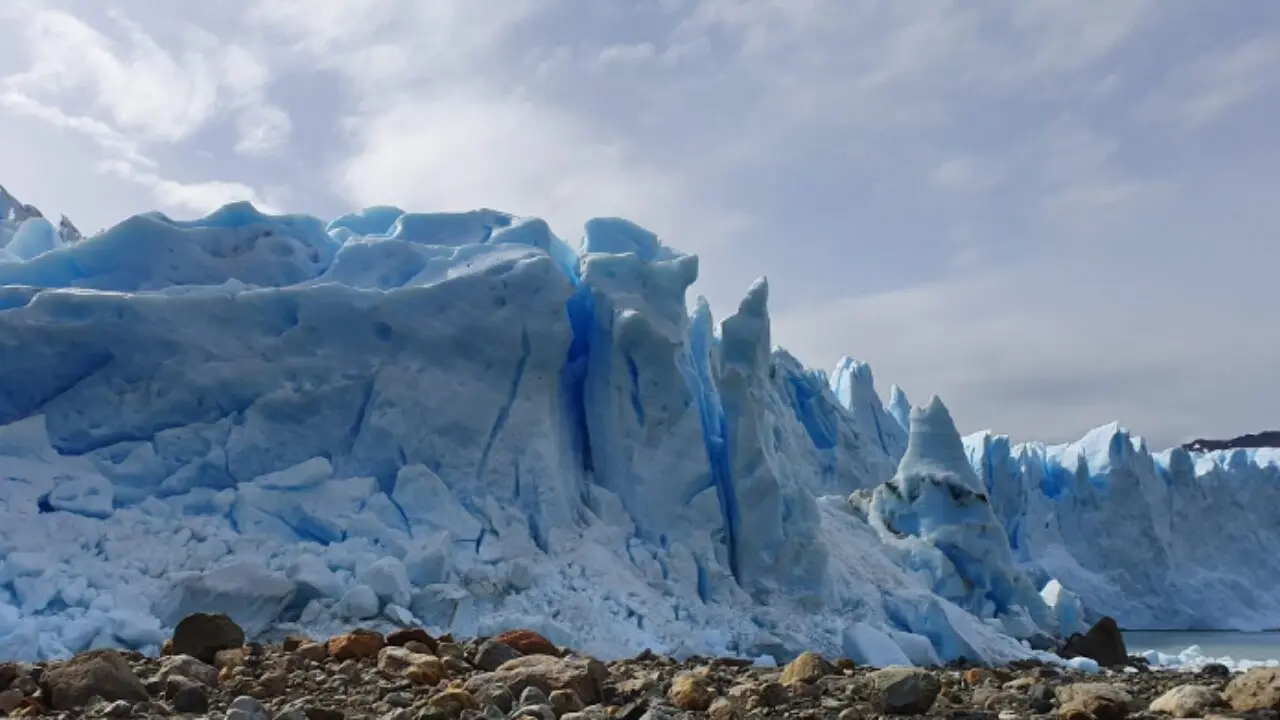
Glaciers, climate change, and increasing environmental risks
The discussion takes place in a scenario of increasing climatic pressure on the cryosphere. Indeed, the retreat of glaciers is already a reality in much of the mountain range.
Additionally, forest fires in Patagonia worsen the situation, affecting periglacial areas. Therefore, some sectors are calling for an interjurisdictional plan for climate risk management.
Consequently, the possible reduction of controls could accelerate degradation processes. This would impact not only the environment but also productive activities that depend on water.
Mining, investments, and the challenge of balancing development and conservation
From the mining sector, the reform is seen as an opportunity to unlock strategic projects. Particularly, those related to minerals such as copper and gold.
Furthermore, they argue that the regulatory update allows operating under clear environmental standards. In this way, they seek to reconcile production and environmental care.
However, the judicialization introduces uncertainty about the future of these investments. Ultimately, it will be the Supreme Court that defines the balance between economic development and environmental protection.


