



The United States government announced a plan that will allow the exploration and exploitation of oil and gas in the Arctic National Wildlife Refuge (ANWR), in Alaska. It is one of the country’s most pristine natural areas, home to polar bears, caribou, and hundreds of migratory birds.
The measure, confirmed by the Department of the Interior, reopens a 40-year environmental dispute over the fate of more than 630,000 hectares of virgin territory. The initiative includes a sale of oil leases on the coastal plain of the ANWR and the reinstatement of seven previously canceled licenses.
The announcement adds to other infrastructure permits approved in Alaska, such as industrial roads to facilitate the extraction of copper, zinc, and oil. Authorities argue that the decision “opens new economic opportunities,” while environmentalists warn that it could destroy essential ecosystems.
Meanwhile, Arctic native communities remain divided: some support the exploitation for economic income, while others warn that it will affect caribou migration and polar bear breeding grounds, pillars of their culture and subsistence.
Natural refuges: a shield against climate change
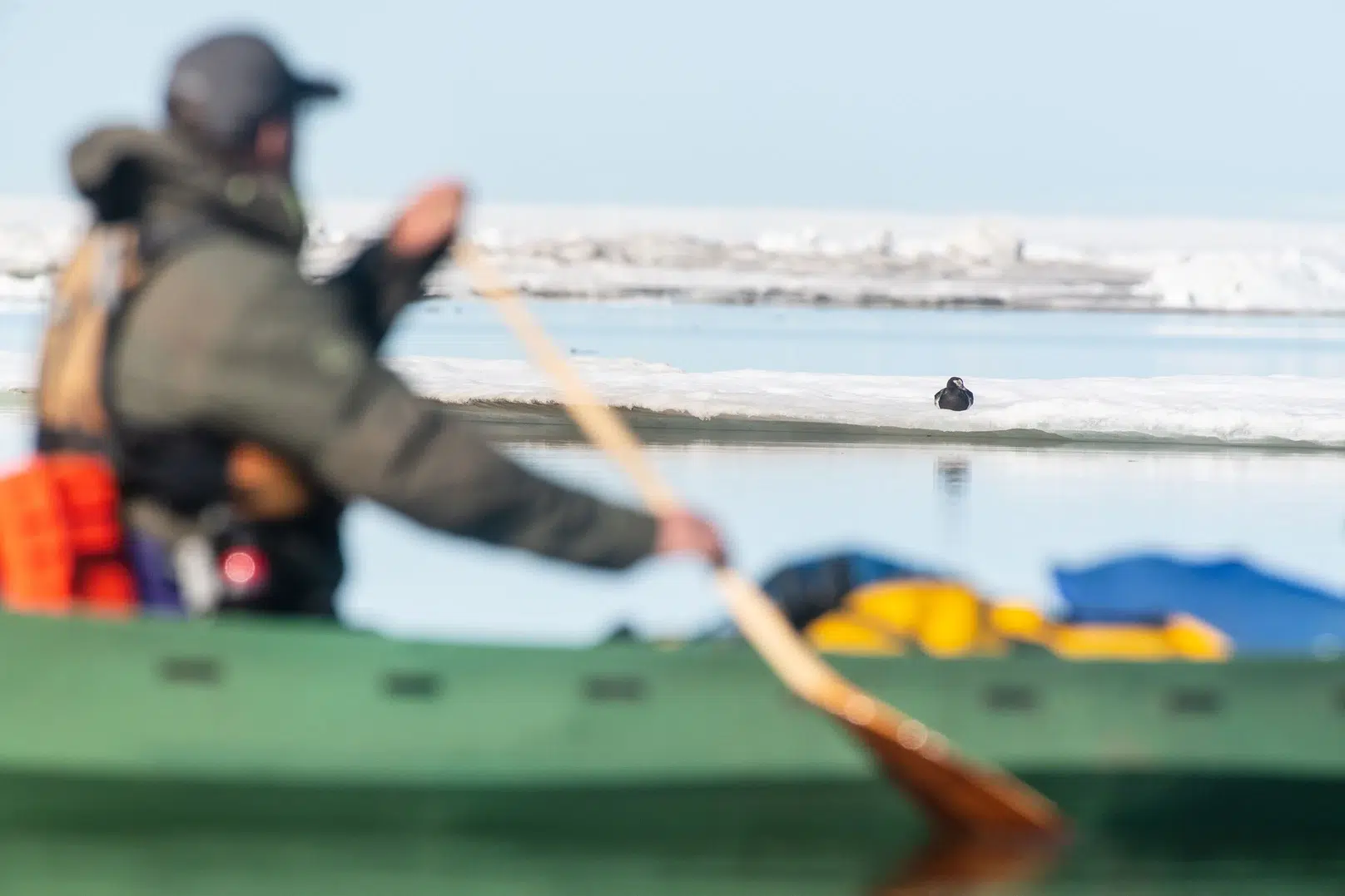
The Arctic National Wildlife Refuge is not only a jewel of biodiversity but also a natural barrier against the advance of climate change. Its extensive peatlands and frozen soils store enormous amounts of carbon, which could be released if the ecosystem is altered by industrial activities.
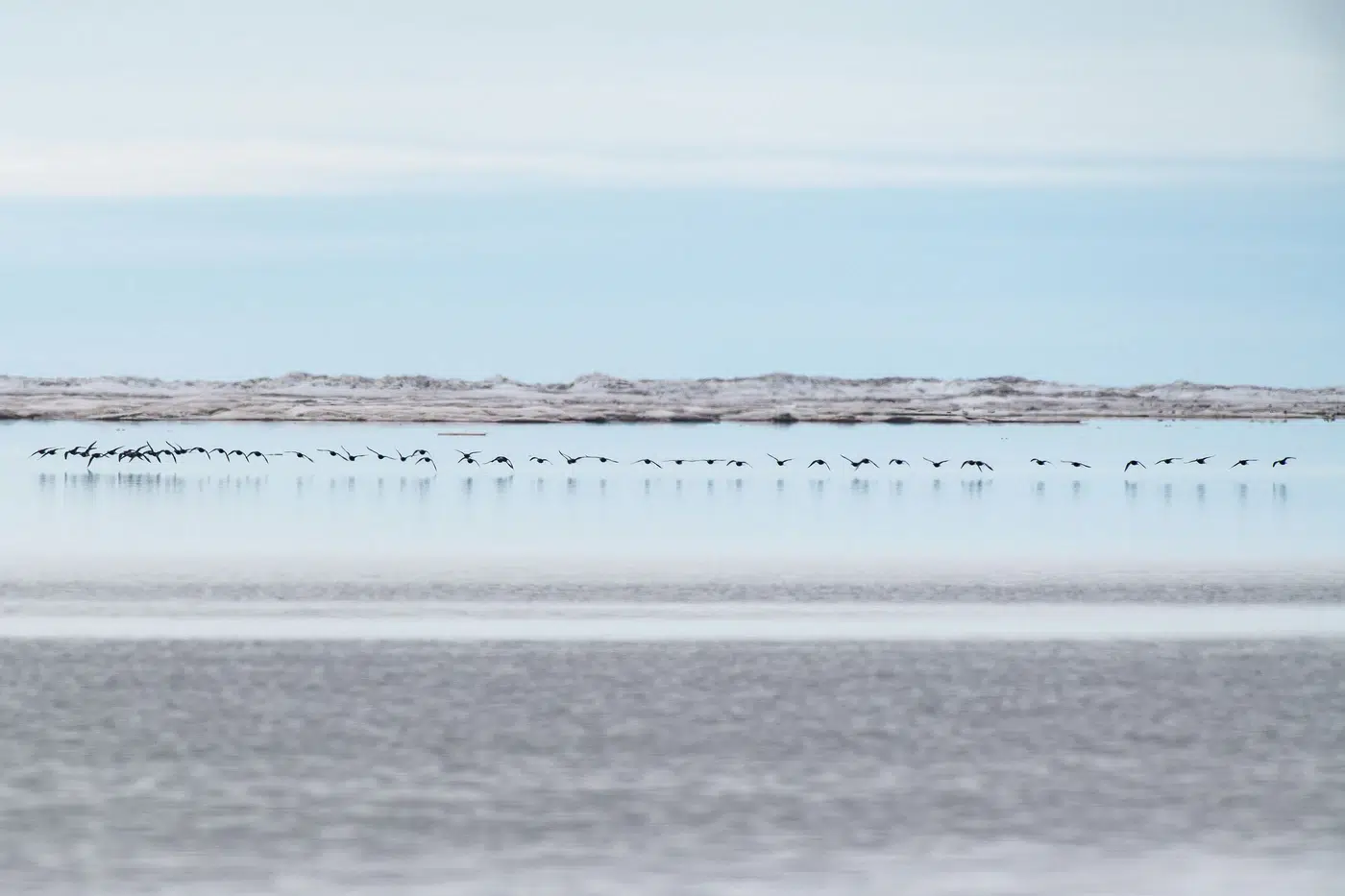
In these environments, Arctic vegetation regulates the water cycle, reduces soil erosion and cushions the impact of thawing. Additionally, the wetlands of the ANWR serve as resting and breeding areas for millions of migratory birds traveling between America and Asia, maintaining the ecological balance between continents.
Natural refuges like the ANWR also fulfill an essential educational and scientific function. They offer living laboratories for the study of species adaptation, animal behavior, and the effects of climate change on biodiversity. Their protection allows for the conservation of valuable genetic information and ecological processes that sustain planetary life.
Climatically, these areas contribute to naturally cooling the planet, as frozen soils (permafrost) retain greenhouse gases. The destruction of these habitats for oil exploitation would not only release carbon but also exacerbate extreme weather events on a global scale.
A debate that pits development against conservation
Since 1980, the refuge has been the scene of a constant battle between economic and environmental interests. The land conservation law of that year prohibited exploitation, but a 2017 tax reform reopened the door to oil leases.
Previous auctions attracted little interest from major oil companies due to high costs, lack of infrastructure, and reputational risks. However, the recent political push seeks to attract local and foreign investments, despite resistance from environmental and financial organizations that refuse to fund projects in the region.
Meanwhile, the fate of the ANWR remains uncertain. Every step towards Arctic industrialization puts at risk not only the region’s iconic species but also one of the planet’s last intact natural reserves.
Conserving this refuge is not just an ecological issue: it is an active defense of climate balance and life on Earth.



