



The global water crisis has raised alarms among specialists in recent days. A new report from the World Meteorological Organization (WMO) warns that the water cycle is becoming increasingly unpredictable and extreme.
The document, published on Thursday, warns that fluctuations between severe droughts and intense rains are severely affecting the economy and society.
A thirsty planet: only one-third of basins have “normal” water
The study, named The State of the World’s Water Resources, revealed that in 2024 only one-third of the planet’s hydrographic basins experienced “normal” conditions.
This lack of balance, repeating for the sixth consecutive year, has manifested in severe droughts in areas like the Amazon basin and the southern Africa, while other regions like central Europe and Africa suffered from excess moisture.
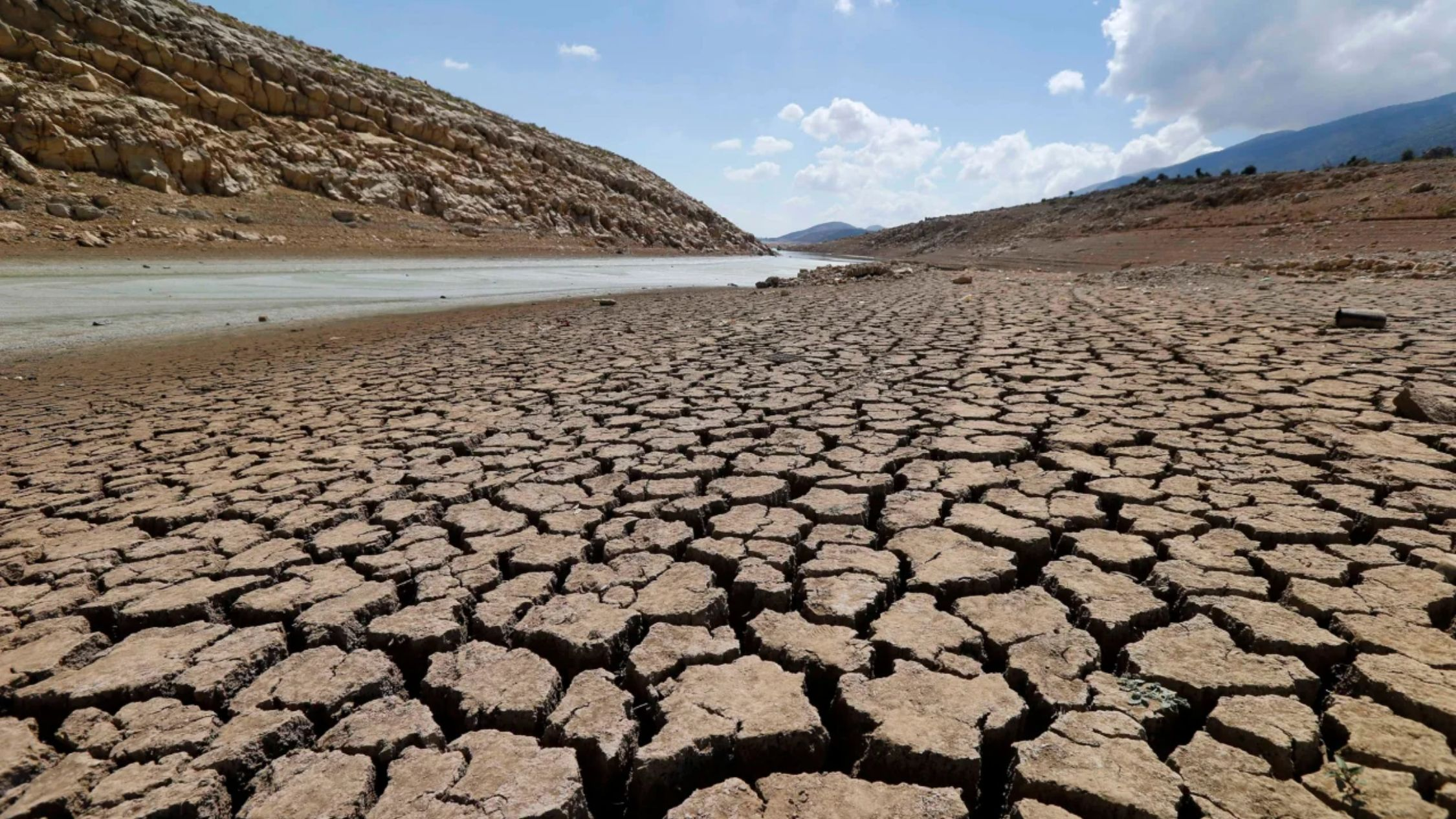 The water crisis and its consequences worldwide.
The report also highlights a concerning widespread loss of glacier mass in all regions, a phenomenon observed for the third consecutive year.
The value of information for a sustainable future
The Secretary-General of the WMO, Celeste Saulo, emphasized the urgency of having scientific and reliable information, stating that “you cannot manage what you do not measure.” The agency’s report aims to provide essential data for decision-making.
“Water is essential for our societies, drives our economies, and sustains our ecosystems,” Saulo affirmed.
“However, global water resources are under increasing pressure, and water-related hazards, increasingly frequent and devastating, have a growing impact on our lives and livelihoods,” she added.
The document, drawing on WMO member data and satellite observations, underscores the importance of collaboration and information exchange between countries.
The lack of monitoring data leaves authorities “working in the dark” in the face of a crisis already affecting 3.6 billion people. Moreover, according to the UN, it could impact over 5 billion people by 2050. Thus, the world is far from achieving the goal of clean water and sanitation for all.
The study revealing freshwater disappearing at an alarming rate
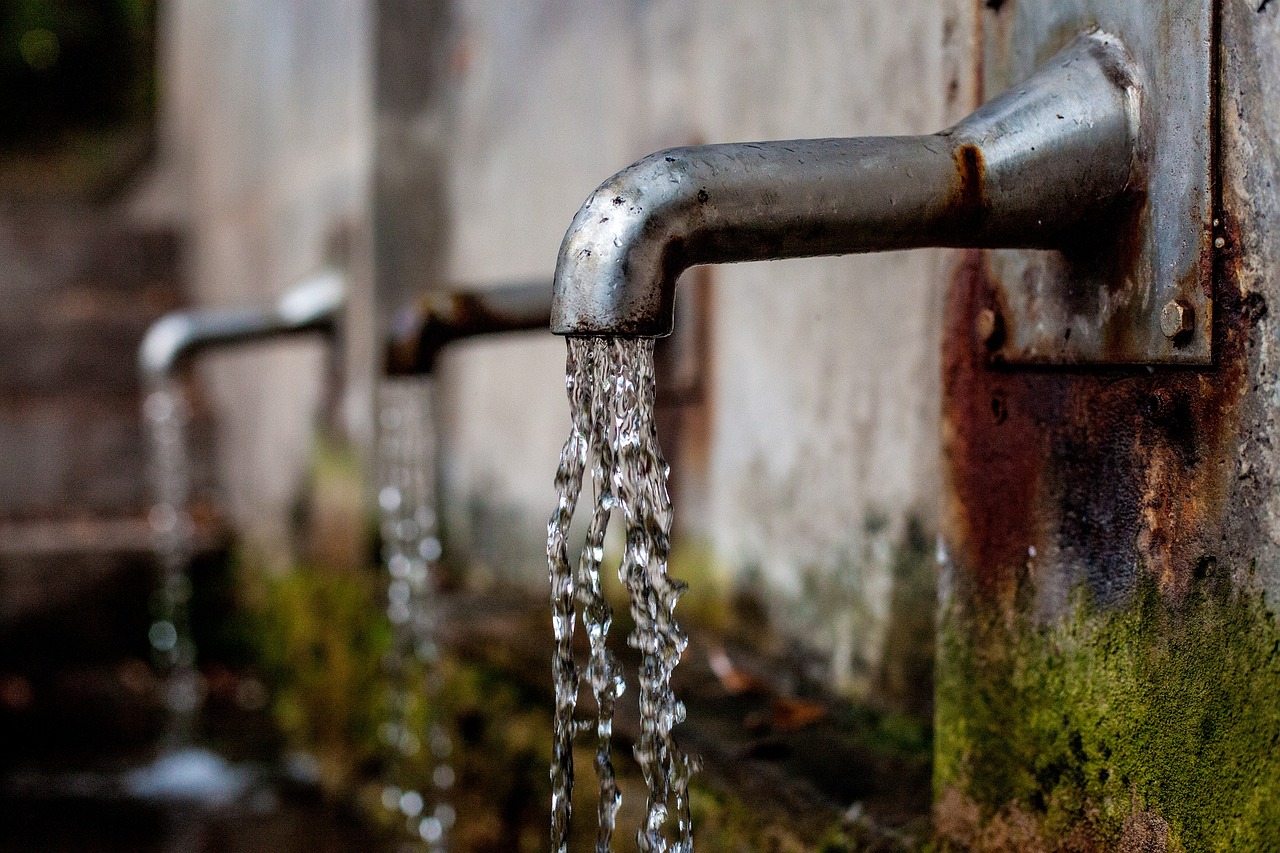 Global water crisis.
It is worth noting that a few months ago, a study published in the journal Nature confirmed that the planet is losing freshwater at a much faster rate than previously believed.
This trend, driven by climate change, deforestation, and excessive resource use, poses a direct threat to food security. It also affects access to clean water and the stability of ecosystems.
The study analyzed satellite data obtained between 2002 and 2022 through the GRACE (Gravity Recovery and Climate Experiment) mission by NASA and the German Aerospace Center.
Researchers identified over 1200 critical points where underground and surface freshwater reserves have steadily decreased over the past two decades.
Among the most affected regions are densely populated areas like India, California, the Middle East, China, Australia, and western South America. This includes parts of the Amazon, the planet’s “green lung.”


