



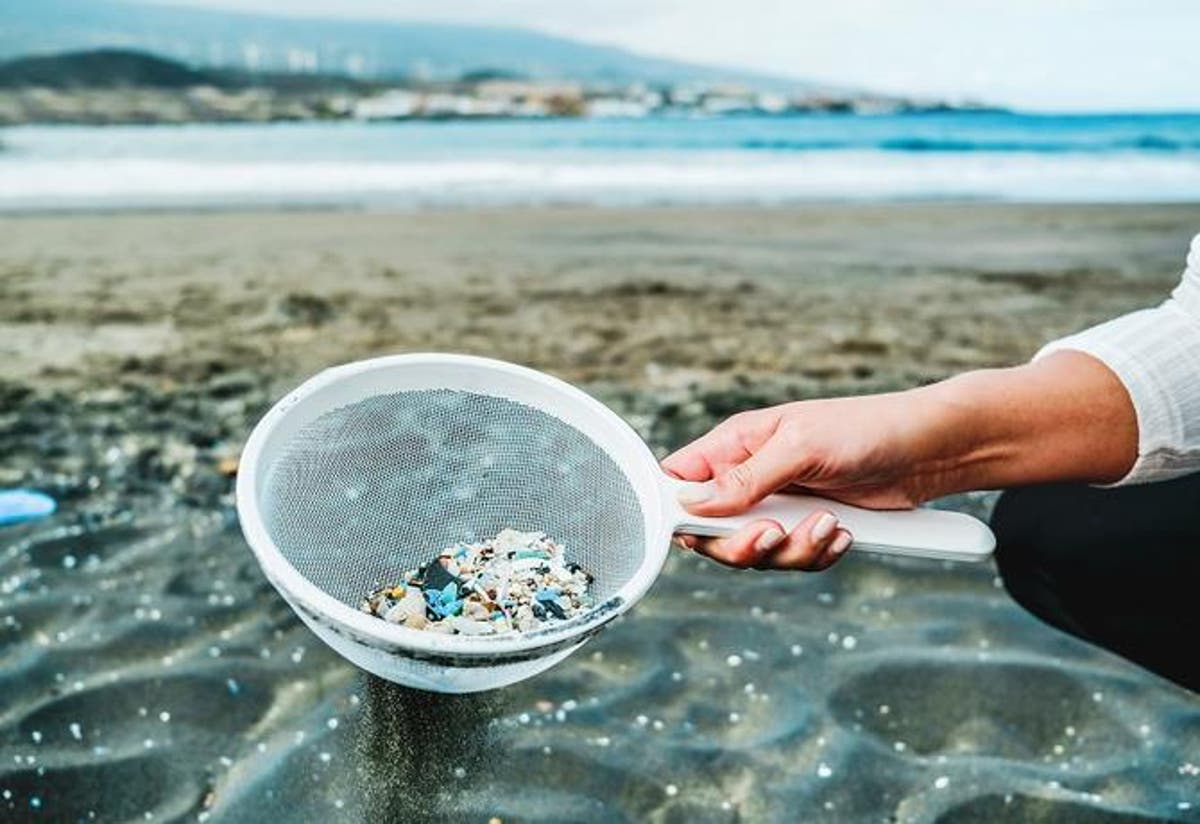
For decades, plastic bags were a symbol of convenience. However, their environmental legacy is devastating: they take up to 500 years to degrade, release toxic microplastics, and generate millions of tons of waste that end up in landfills, incinerators, or natural ecosystems.
Compostable Bags and Reusable Containers
A duo that transforms waste management at home.
One of the most effective alternatives combines reusable bins with compostable bags made from cornstarch, cassava, or recycled paper. These bags:
- Disintegrate in a few weeks within a compost
- Do not release microplastics or toxic substances
- Turn into useful fertilizer for plants and urban gardens
Source Separation: Key to Reducing and Recycling
Differentiating organic and recyclable waste improves system efficiency and promotes the circular economy.
More and more households are adopting separate bins to sort waste from the moment it is generated:
- Organic: in biodegradable bags or home composters
- Recyclable: in reusable containers
This system reduces the load on landfills and allows materials to be reincorporated into the production process, strengthening the circular economy.
Public Policies Supporting Change
Cities and governments promote composting and restrict the use of plastics.
- Barcelona, Berlin, and Amsterdam: restrict plastic bags in collection
- Latin American capitals: distribute biodegradable bags and promote community composting
These measures facilitate the transition and demonstrate that habit change is possible with institutional support.
Accessibility and Everyday Adaptation
Sustainable solutions are now within everyone’s reach.
Today, compostable bags are more accessible, and reusable containers are offered in multiple formats that easily integrate into modern kitchens. Experience shows that users adapt quickly when alternatives are clear and functional.
Abandoning plastic bags is no longer a utopia: it is an everyday practice that redefines our relationship with waste.
Impacts of Plastic on the Environment and Health
Persistent pollution, harm to wildlife, and risks to human health.
- Marine wildlife: turtles, whales, and fish die from ingestion or entanglement
- Microplastics: contaminate water, soils, and enter the food chain
- Human health: plastic particles have been detected in blood, placenta, and brain
- Production: consumes oil and emits greenhouse gases
Concrete Solutions for a Plastic-Free Future
Reduce, reuse, recycle, and regulate: pillars of the transition.
- Avoid single-use bags
- Use reusable and compostable bags
- Recycle correctly
- Promote regulations that limit their distribution



