



Henderson Island, belonging to the United Kingdom and located in the South Pacific, is one of the last ecological paradises on the planet, recognized for its unique biodiversity and exceptional state of conservation. However, it is currently facing a devastating environmental problem: it is being invaded by human waste.
Every day, tons of plastic and other waste reach its shores, leaving an almost irreparable mark on this natural sanctuary. What was once a refuge for endemic biodiversity has now become a symbol of the waste crisis affecting the planet.
With an area of 37 square kilometers, Henderson is one of the few atolls that has remained virtually intact since its discovery in 1606. The island was home to a unique fauna, with over 200 species at risk due to the accumulation of plastic waste.
Species of seabirds and land crabs were especially affected. Research shows that, due to plastic ingestion, over 55% of the planet’s seabirds are harmed. On Henderson, many crabs started seeking refuge in objects like bottle caps or plastic pieces, a behavior completely altered by the waste invasion.
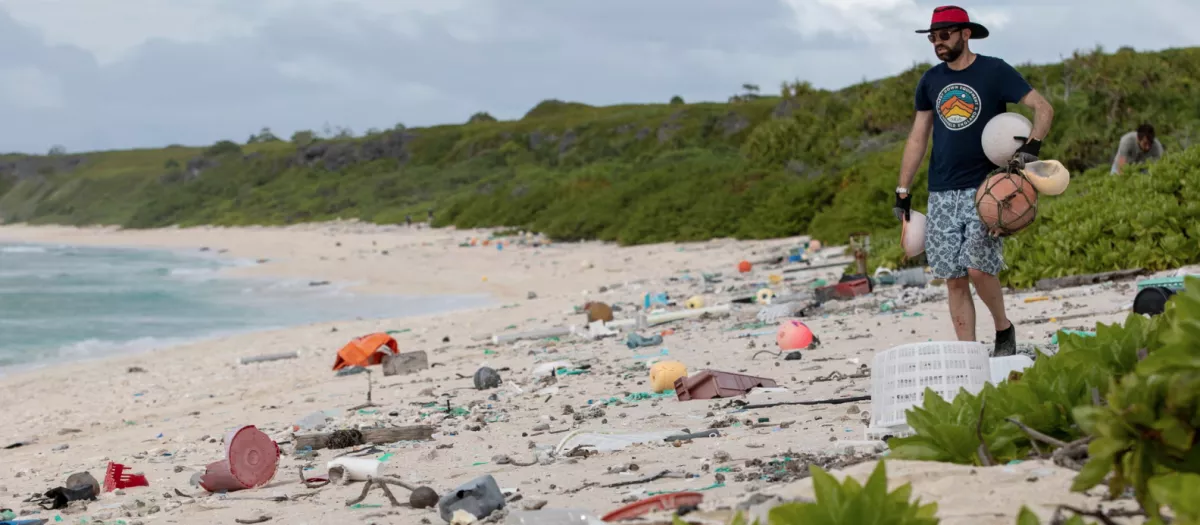 Henderson Island, affected by garbage. Photo: El Debate.[/caption>
A Devastating Impact on Local Biodiversity
Along a stretch of 2.5 kilometers of beach, approximately 18 tons of plastic have accumulated. Most of the waste comes from the powerful South Pacific Gyre, which drags garbage from remote points, such as Ibero-America and fishing areas, even though fishing is prohibited in the sanctuary. The problem is not limited to visible waste: it is estimated that at least 68% of the garbage is buried under the sand, further concealing the extent of the pollution.
The impact on Henderson’s fauna is alarming. Over 200 species are in danger due to the presence of plastics, and the situation seems to worsen every day. The fact that land crabs, traditionally sheltered in shells, now use plastic objects as substitutes, shows how wildlife has begun to adapt, though in a harmful way.
This change in natural behaviors jeopardizes the survival of many species that depend on their pristine environment to live. The most unusual case found during studies is that of a crab living inside the broken head of a doll, a surreal image illustrating the level of contamination the island has reached.
These findings underscore the magnitude of the ecological disruption facing Henderson, a place that, until recently, was considered a refuge for endemic species.
A Sanctuary in Danger: Henderson’s Paradox
In 1988, UNESCO declared Henderson a World Heritage Site, highlighting its ecological value and state of conservation. The island’s geographical isolation allowed it to preserve a unique biodiversity, hosting ten plant species and four terrestrial bird species not found anywhere else in the world.
However, the massive arrival of waste is endangering this ecological balance. The environmental disaster on Henderson reflects a global issue. As plastics invade every corner of the planet, even the most remote and protected places are no longer safe.
The increase in ocean garbage and the lack of effective waste management in many regions of the world are exacerbating the environmental crisis. The island, once a biodiversity model, is now a reminder of the effects of excessive consumption and poor waste management.
 Henderson Island, United Kingdom. Photo: Wikipedia.
The Environmental Characteristics of Henderson: A Sanctuary at Risk
Henderson, a volcanic origin atoll, is home to rich biodiversity, with numerous endemic species. Among them, terrestrial birds like the Henderson petrel and the Laysan albatross stand out, only inhabiting this island. Additionally, its flora includes several unique plant species that do not grow anywhere else on the planet.
This isolated and almost untouched ecosystem offers a clear view of what island ecosystems were like before human intervention. The island is surrounded by pristine waters harboring rich marine fauna, although they are also being affected by the accumulation of floating waste.
Furthermore, Henderson’s remote location, far from human activities, grants it incomparable value for evolutionary and ecological studies. However, the growing pollution problem jeopardizes the conservation of this privileged environment. The island, which should be a model of environmental protection, is now facing one of humanity’s most complex challenges: how to reverse the damage caused by waste accumulation and protect the unique ecosystems inhabiting it.



