



The controversy over the oil spill that occurred in 1999 off the coast of Magdalena, Buenos Aires, is once again at the center of attention. Currently, the responsible company is seeking judicial validation of an agreement signed years ago, while environmental sectors are questioning the closure of the case.
In this context, the final decision will rest with the Federal Chamber. However, the debate goes beyond legal matters, as it highlights the actual state of the affected ecosystems and the need to ensure their long-term recovery.
Additionally, the case remains one of the most significant precedents in terms of environmental damage in freshwater, due to its magnitude and the consequences it generated in wetlands and biodiversity.
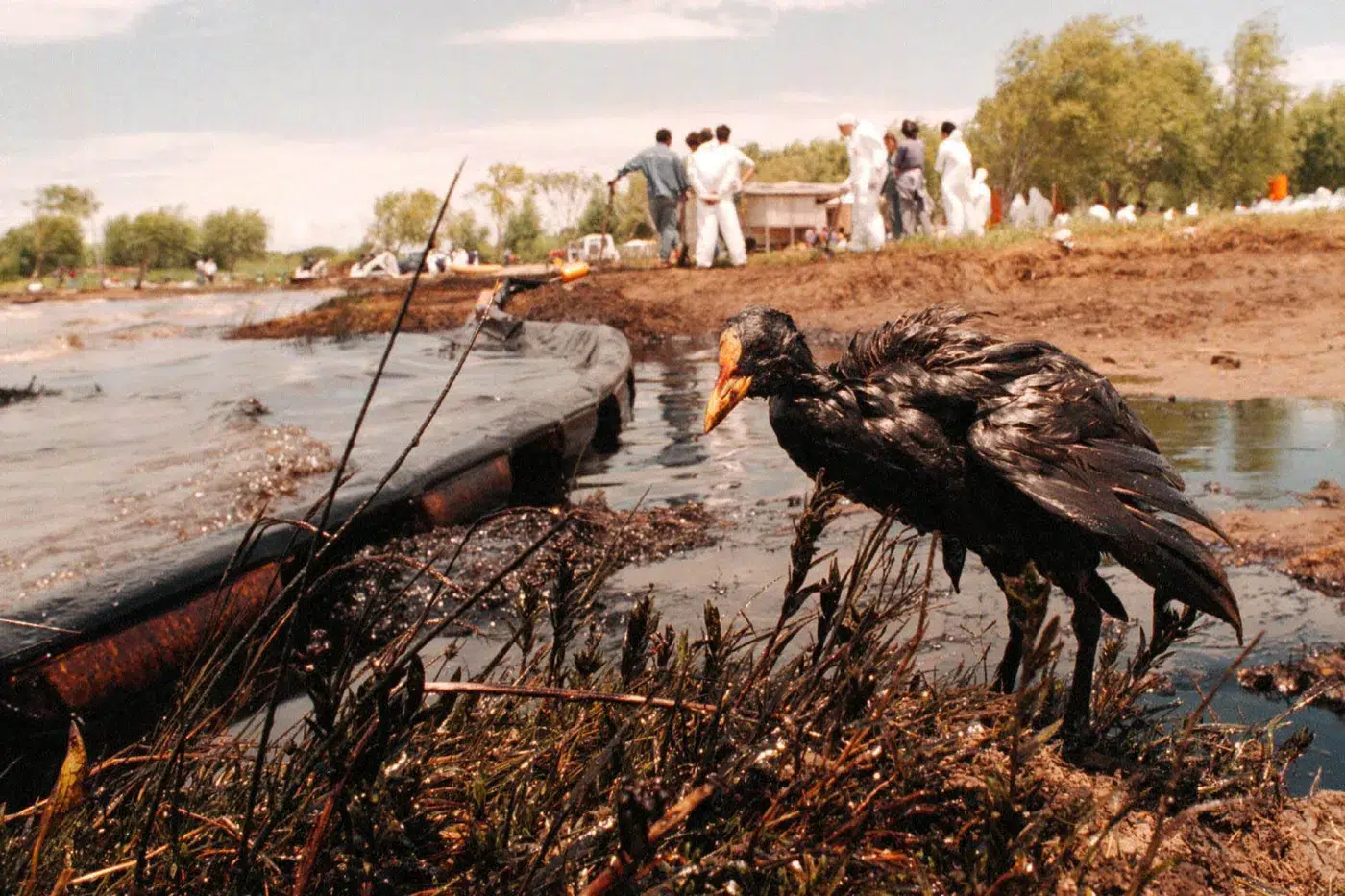
A spill that marked coastal ecosystems
The incident originated from the collision of the ships Estrella Pampeana and Sea Paraná. As a result, more than 5,400,000 liters of crude oil were released, spreading along 30 kilometers of coastline.
Moreover, the impact was not limited to the surface, as the oil penetrated up to 400 meters inland. This affected wetlands, streams, and soils, altering the natural balance of the region.
Over time, containment and cleaning tasks were carried out. However, the degree of environmental recovery remains a subject of discussion among the company, the judiciary, and environmental organizations.
Conflicting views on environmental restoration
On one hand, the company claims that the environment has been restored and that there are no pending damages. In this regard, it supports its position with monitoring and studies conducted over the years.
In contrast, environmental sectors warn that closing the case could limit future evaluations. They also consider it necessary to apply stricter standards to verify possible residual impacts.
Furthermore, they point out that the insistence on validating the agreement is a strategy to limit economic responsibilities. Thus, the conflict reflects tensions between legal interests and environmental protection.
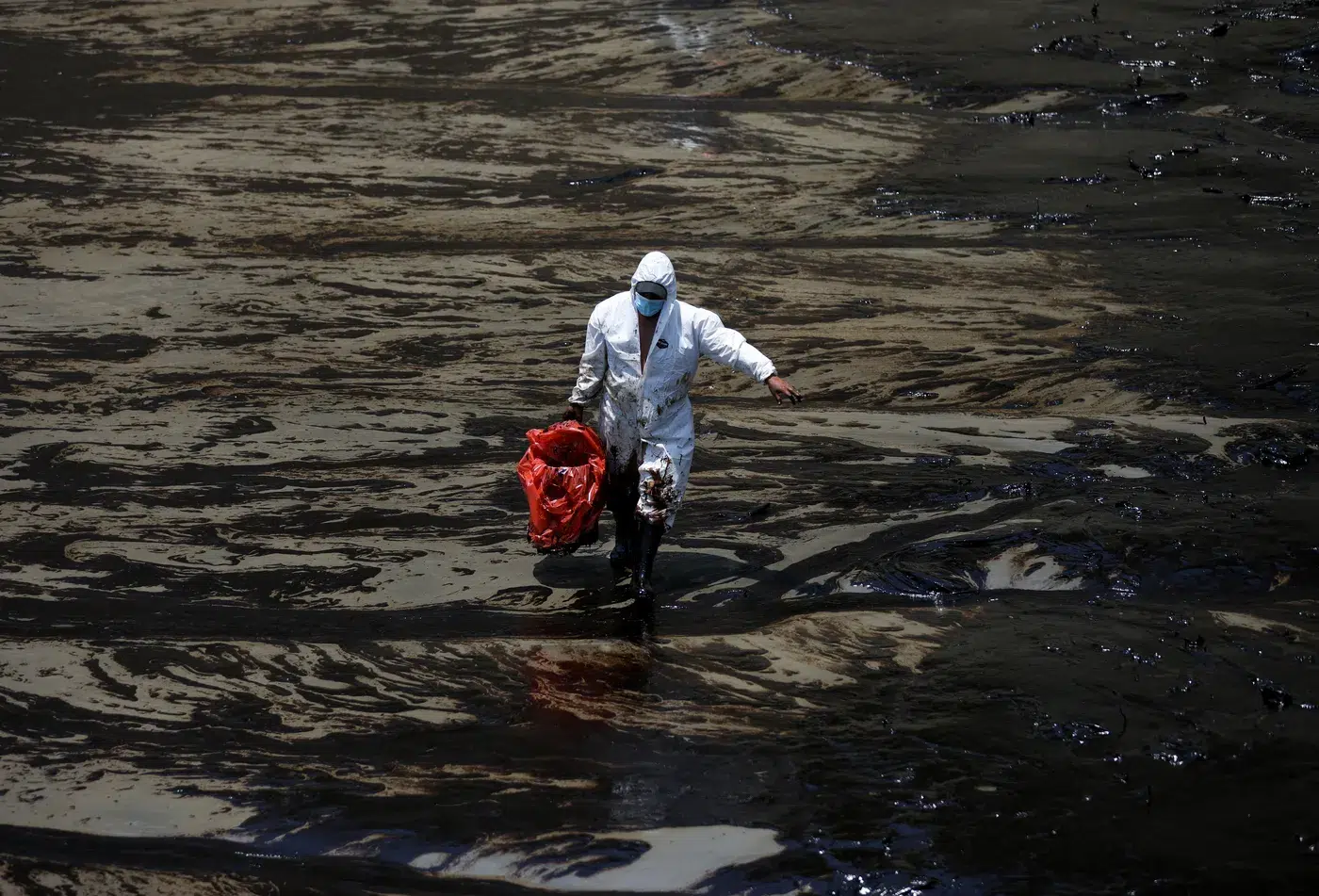
Consequences of the oil spill on coastal ecosystems
Oil spills have persistent effects on ecosystems. Firstly, they contaminate the water, reducing the available oxygen and affecting fish, birds, and other species.
Additionally, hydrocarbons alter the soils and vegetation. In wetlands, these damages are especially severe, as these environments perform key functions such as water regulation and natural filtration.
On the other hand, toxic substances can remain for years, accumulating in the food chain. This impacts both the biodiversity and the human communities that depend on these resources.
Finally, the total recovery of these environments is often slow and complex. Therefore, specialists emphasize the importance of continuous monitoring and prevention policies to avoid new incidents.
A ruling that will define the future of the case
As the case progresses, the Federal Chamber will have to decide whether to validate the signed agreement or keep the litigation open. This resolution will be key to defining the scope of the environmental restoration.
In parallel, the case highlights the need to strengthen control mechanisms and monitoring in ecological conflicts. It also underscores the importance of ensuring transparency in judicial processes.
Ultimately, beyond the legal outcome, the Magdalena spill continues to be a symbol of the challenges facing environmental management in Argentina.



