



Why did May record a CO2 record in the atmosphere?
The Mauna Loa Observatory (Hawaii), located at over 3300 m above sea level, is the global reference for CO2 monitoring. Its measurements accurately represent the average carbon dioxide levels in the northern hemisphere.
 Alarming CO2 levels in the atmosphere.
The director of the Scripps CO2 Program, Ralph Keeling, lamented: “Another year, another record. It’s sad.” This sustained increase is a clear sign of global failure to reduce greenhouse gas emissions.
Since 1958, observations show that May reaches its peak due to less CO2 absorption by growing vegetation, before photosynthesis reaches its maximum potential in summer.
Why does this record matter for climate change?
The main problems regarding the consequences of climate change are:
- Increased greenhouse effect: CO2 traps more heat, intensifying heatwaves, fires, droughts, and floods.
-
Ocean acidification: CO2 increases deteriorate the health of corals, crustaceans, and other marine organisms.
-
Risk of 500 ppm: if the current pace continues (+ 3 ppm/year), we could reach 500 ppm in 30 years, levels unseen for millions of years.
Greenhouse Gases: the main cause of climate change
Greenhouse gases (GHGs), such as carbon dioxide (CO2), methane (CH4), and nitrous oxide (N2O), trap heat in the Earth’s atmosphere. This function is natural and essential for maintaining habitable temperatures.
However, since the Industrial Revolution, human activities, especially fossil fuel burning, deforestation, and intensive agriculture, have drastically raised the concentrations of these gases, altering the planet’s climate balance.
Global Warming and its Visible Effects
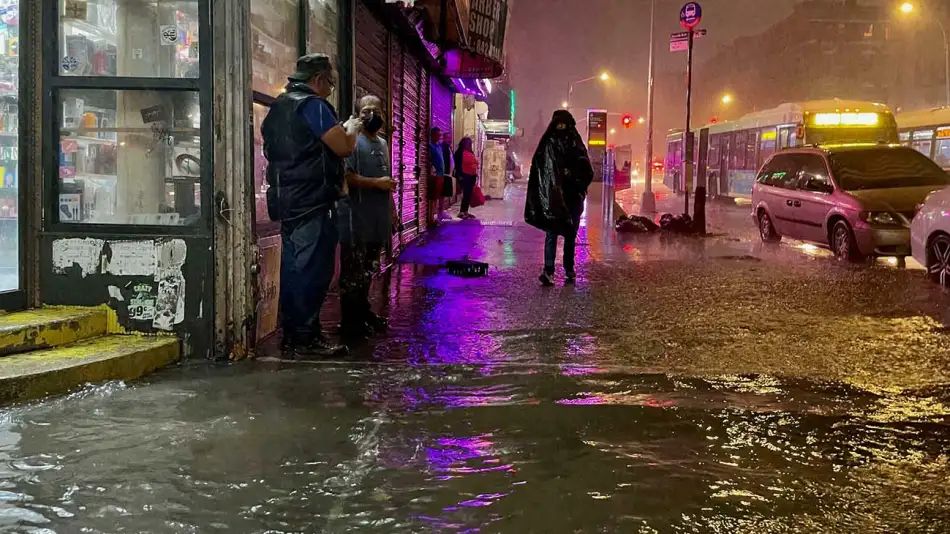 The effects of global warming.
This increase in greenhouse gases has caused clear global warming, with an average increase of over 1.1 °C compared to pre-industrial levels.
The consequences are already visible: extreme heatwaves, receding glaciers, loss of biodiversity, extreme weather events, and rising sea levels.
If global CO2 and other GHG emissions are not drastically reduced, the impacts of climate change will become more intense, affecting millions of people and all ecosystems on the planet.


