



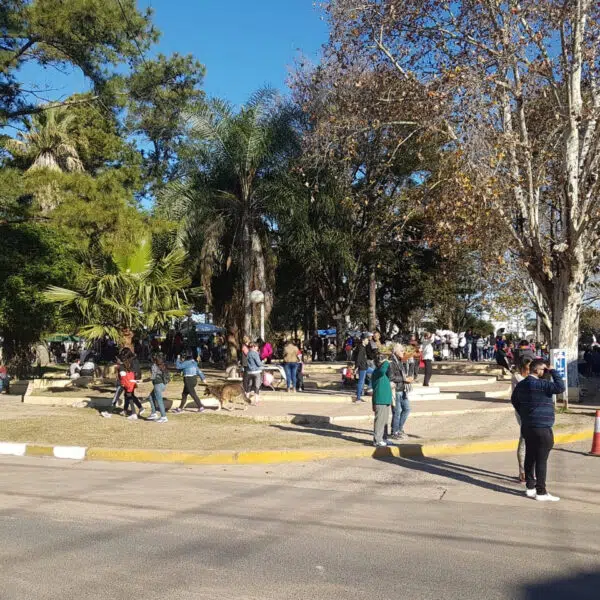
An innovative environmental project is moving forward in San José del Rincón, Santa Fe, where an urban square is being transformed through the planting of native trees. The objective is to mitigate flooding, restore the local ecosystem, and improve the quality of life for residents.
The initiative, called “One square, thousands of trees”, seeks to enhance public space through nature-based solutions.
The proposal is led by the municipality of Rincón, with technical support from Aves Argentinas Foundation and funding from the national program Casa Común, from the Ministry of Environment and Sustainable Development of the Nation.
Natural solutions to climate change and flooding
The project is taking place in Altos del Sauce Square, located in a neighborhood crossed by watercourses and prone to frequent flooding.
The planting of native species, such as creole willows, silk floss trees, thorn trees, and carob trees, not only helps to absorb excess water but also improves soil infiltration and provides shade, freshness, and biodiversity.
In addition to mitigating the effects of climate change, reforestation with native trees allows the recovery of part of the original environments of the Santa Fe coast, providing habitat for birds, insects, and other native animals.
Community participation and environmental education
The transformation of the square includes instances of citizen participation, environmental workshops, and collective planting events. Residents, schools, and local organizations actively join the initiative, fostering a sense of belonging and commitment to environmental care.
The Rincón municipality highlighted that these actions promote the bond between the community and nature, promoting an environmental awareness that lasts over time.
The approach taken in Rincón aligns with sustainable development goals and with climate change adaptation strategies promoted globally.
Urban green infrastructures – such as this tree-lined square with native species – are effective, accessible, and replicable tools in multiple urban and peri-urban contexts.
This project demonstrates that recovering native vegetation in urban spaces not only beautifies the landscape but also provides concrete answers to the environmental challenges faced by many Argentine cities.
How trees mitigate floods
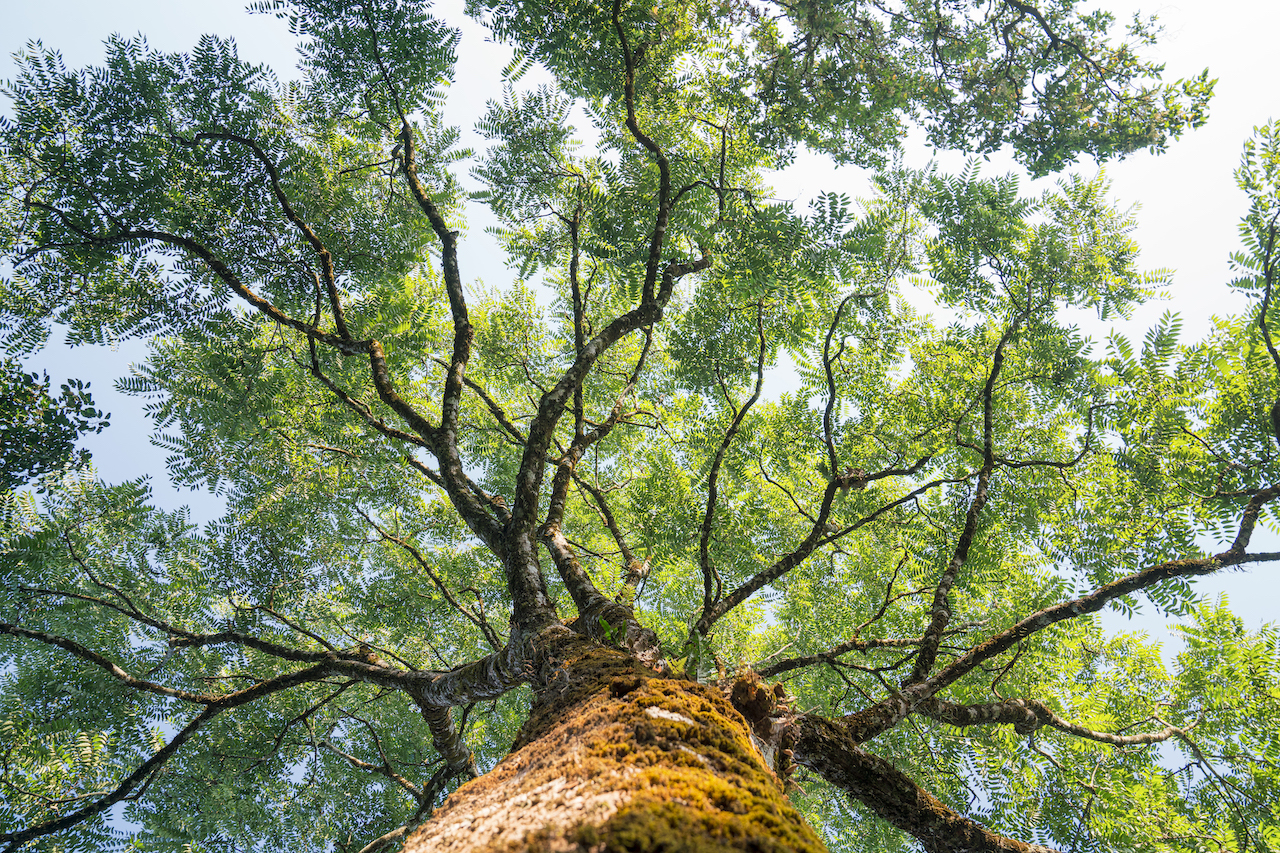
- The leaves act as an umbrella, capturing a significant portion of the rain before it reaches the ground.
- This water can evaporate directly from the leaves or trickle slowly to the ground


