



The defense of the environment continues to be a high-risk activity worldwide. In 2024, at least 146 land and natural resources defenders were killed or disappeared. Over 80% of the cases were recorded in Latin America, reaffirming the region as the most dangerous for those protecting ecosystems and their communities’ territories.
Colombia leads the list as the deadliest country, with 48 murders, almost a third of the global total. It is followed by Guatemala, with 20 deaths, and Mexico, with 18. The Guatemalan case is particularly alarming: murders quintupled compared to the previous year, making the country the one with the highest per capita rate of violence against environmentalists.
Other countries in the region also reported significant losses. Brazil recorded 12 murders, while in Honduras, Chile, and Mexico, the disappearance of one activist was documented in each case. Behind these figures are conflicts over land use, resource extraction, and pressure from industries such as mining, logging, and agribusiness.
Since 2012, international organizations have documented over 2,250 deaths or disappearances of environmental defenders worldwide. Latin America accounts for almost three-quarters of these attacks, reflecting a systematic and persistent violence that affects the most vulnerable communities.

Indigenous and farming communities under pressure
The report by Global Witness reveals that indigenous peoples are disproportionately affected. Although they represent only 6% of the world’s population, they accounted for a third of the attacks recorded in 2024. In Latin America, 94% of the assaults on indigenous defenders took place in their territories, where the dispute over ancestral lands and resources is ongoing.
In regions like Cauca, Colombia, entire communities have started organizing programs to educate young people in environmental and cultural defense. These “seedbeds” seek to pass on traditional knowledge and strengthen resilience in the face of violence.
Small farmers are also among the main victims, representing over 35% of cases in the region. Their situation is critical because they are often on the front lines of territorial conflicts, facing off against private actors and armed groups.
Colombia: epicenter of environmental violence
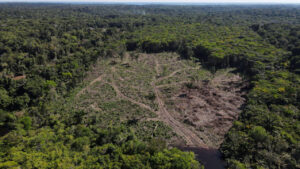
Putumayo, in the Colombian Amazon, illustrates the severity of the situation. This region, rich in forests and rivers, is strategic for smuggling and illicit economies. There, pressures from illegal mining, coca crops, and deforestation converge amidst the presence of armed groups.
Defenders who speak out in this context live under constant threat. Transnational criminal networks involved in drug, gold, and timber trafficking have turned the Amazon into a high-risk territory for environmental defense.
The persistence of these attacks questions the states’ ability to protect their citizens and fulfill international commitments regarding human rights and conservation. As long as impunity remains the norm, defending nature in Latin America will continue to be marked by violence.
Punishment and lack of legal protection
The majority of crimes against environmental defenders in the region go unpunished. Legal processes progress slowly, and convictions against the intellectual or material perpetrators of the attacks are rarely achieved.
Several Latin American countries have laws that classify crimes such as threats, homicides, or forced disappearances, but specific protection for environmentalists remains limited. Homicide penalties can reach up to 40 years in prison in nations like Colombia or Mexico, but the lack of thorough investigations and collusion with armed or economic actors diminishes their effectiveness.
Some regional legal frameworks, like the Escazú Agreement, urge governments to ensure access to environmental information, protection for defenders, and exemplary sanctions against aggressors. However, implementation has been slow and uneven, leaving many activists in conditions of extreme vulnerability.


