



More than 2,000 kilometers from any coast, a small group of islands achieved what few territories manage: a balanced marine conservation.
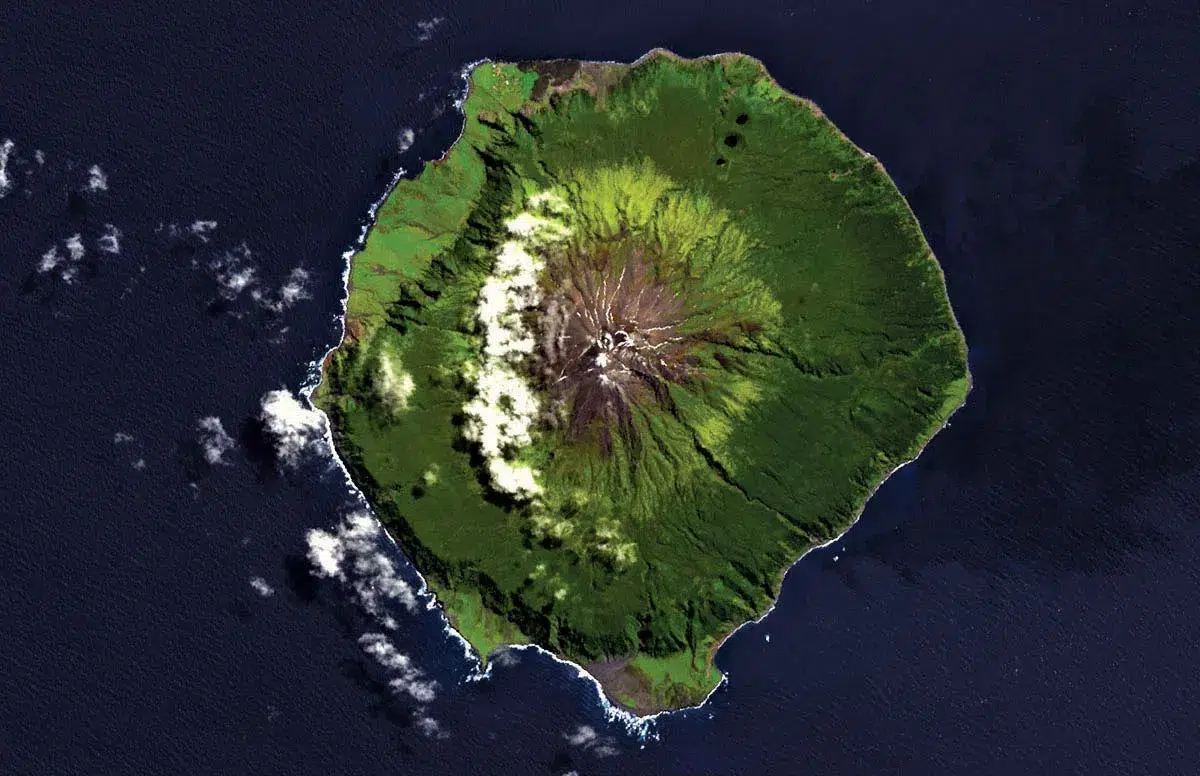
This is Tristan da Cunha, the British archipelago in the South Atlantic known as the most remote inhabited place on the planet.
There, a few years ago, its inhabitants managed to create a gigantic marine reserve without sacrificing economic subsistence.
Today, its inhabitants protect the ocean with a model that balances conservation, tradition, and sustainable economic production.
A pioneering model of marine conservation 2,000 km from any territory
In 2019, the community of Tristan da Cunha managed to establish a protected marine area that covers more than 90% of its maritime territory.
This covers 700,000 square kilometers, making it one of the largest conservation areas in the world.
However, they decided to maintain a regulated coastal space for artisanal lobster fishing, their main economic resource.
This crustacean, valued at about 40 dollars per piece in international markets, has sustained the local economy for generations.
Moreover, the Tristan lobster not only represents income but also cultural identity for the archipelago’s families.
Today, the reserve is monitored through satellite technology and international networks to ensure marine conservation.
Although the island lacks its own coastguards, compliance has been high, and no confirmed cases of illegal fishing have been recorded within the protected area.
Tristan da Cunha: lessons from the past that shape the present
During the 20th century, overfishing drastically reduced the lobster population on these six islands that form an archipelago.
This crisis taught the community the importance of applying strict sustainability measures, leading to years of work to create the protected marine area that has been in place since 2019.
Today, marine conservation is ensured through a regulated quota supervised by scientists and local authorities.
Additionally, each catch is recorded, lobsters are tagged, and the health of the marine ecosystem is constantly monitored.
Fishermen go out in small boats during the few days allowed in the season to further protect the ecosystem.
The traps are also placed at hundreds of meters deep in specific areas, following knowledge passed down through generations.

Despite its extreme isolation, Tristan da Cunha faces various environmental threats in recent years.
Invasive species arrived after the stranding of maritime structures, while spills affected seabird populations.
Climate change represents the most recent challenge. Ocean warming is already showing effects on the underwater forests where the lobster lives, putting the ecosystem’s balance at risk.
Caring for the islands’ livelihood is particularly relevant because only a few ships a year connect Tristan da Cunha with the rest of the world.
Today, that journey can extend for weeks depending on weather conditions, reinforcing the total dependence on local marine resources.
Tradition and maritime conservation hand in hand
Each new fishing season begins with a ceremony in the local church.
There, fishermen and the sea receive blessings in a ritual that reinforces the bond between the community and the ocean.
“Protecting these waters is not an option; it’s a matter of survival,” say the veteran inhabitants of Tristan.
This philosophy has turned the archipelago into an example of conservation that respects human needs.
The model of Tristan da Cunha demonstrates that conservation and subsistence can coexist.



