



Mexico and Cuba have consolidated a cooperation agreement aimed at the preservation and study of two of their most emblematic biosphere reserves: the Sierra de Manantlán in Mexico and the Sierra del Rosario in Cuba. This alliance seeks to strengthen the bond between both nations in the conservation of biodiversity and local cultures.
The agreement was formalized at the Orchid Garden Orchidarium of Soroa, where representatives from both reserves signed a commitment to work together that includes actions on biodiversity, biological connectivity and scientific and ancestral knowledge.
The initiatives aim at the development of sustainable productive systems, the conservation of biological corridors, the analysis of the effects of climate change and the strengthening of ecosystem management. The Biosphere Reserves Youth Network will also be enhanced, promoting community participation.
This agreement represents the renewal of a bond initiated over three decades ago, reaffirming the shared commitment to nature protection and traditional knowledge of both countries.
 Biosphere reserves play a fundamental role in environmental care.
The strategic value of mountain reserves
The meeting served to highlight the importance of mountainous areas in the regulation of watersheds and their key role in the resilience of coastal ecosystems. Through panels and working groups, experts from both nations discussed cooperation opportunities and current environmental challenges.
The Sierra de Manantlán, located between Jalisco and Colima, is globally recognized for its biodiversity and for being the birthplace of wild corn, an essential genetic heritage for global food security. Its biological and cultural richness makes it a priority area for conservation.
On the other hand, the Sierra del Rosario in Cuba, was the first biosphere reserve declared in the country. Its importance lies in the variety of tropical ecosystems it hosts, as well as being a refuge for numerous endemic species and a vital source of environmental services for the region.
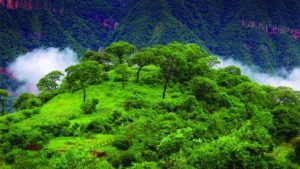
Biosphere reserves: guardians of nature and culture
Biosphere reserves play an essential role in biodiversity conservation and the promotion of sustainable development. They function as natural laboratories where species are researched, ecosystems are protected, and environmentally friendly productive practices are promoted.
These spaces not only safeguard flora and fauna but also cultural traditions and ancestral knowledge of local communities. By promoting social participation, reserves contribute to environmental education and the strengthening of regional identity.
Additionally, reserves act as natural barriers against the effects of climate change, protecting watersheds, regulating the water cycle, and offering nature-based solutions for adaptation and mitigation of global warming.
The cooperation between Mexico and Cuba reinforces the idea that environmental and cultural defense transcends borders and requires joint action by the peoples.


