



Mexico City is positioned as one of the most affected entities by environmental pollution in the country, with vehicular transportation as the main source of emissions.
According to recent data, this sector contributes to 20.4% of greenhouse gas (GHG) emissions, of which 16.2% come directly from the automotive subsector.
## Valley of Mexico: suspended particles and chronic congestion
In regions such as the Valley of Mexico, vehicles are responsible for over 60% of coarse suspended particle pollution, leading to an urban environmental crisis marked by:
– Constant traffic congestion
– Loss of productive hours in traffic
– Progressive deterioration of air quality
## An expanding vehicle fleet without effective control
The increase in pollution is directly related to the accelerated growth of the vehicle fleet.
Between 2005 and 2014, the number of registered vehicles increased from 2.7 million to 4.7 million, a 75% rise.
Furthermore, Treviño warns that many vehicles circulate without meeting environmental requirements, such as the zero hologram, exacerbating the issue.
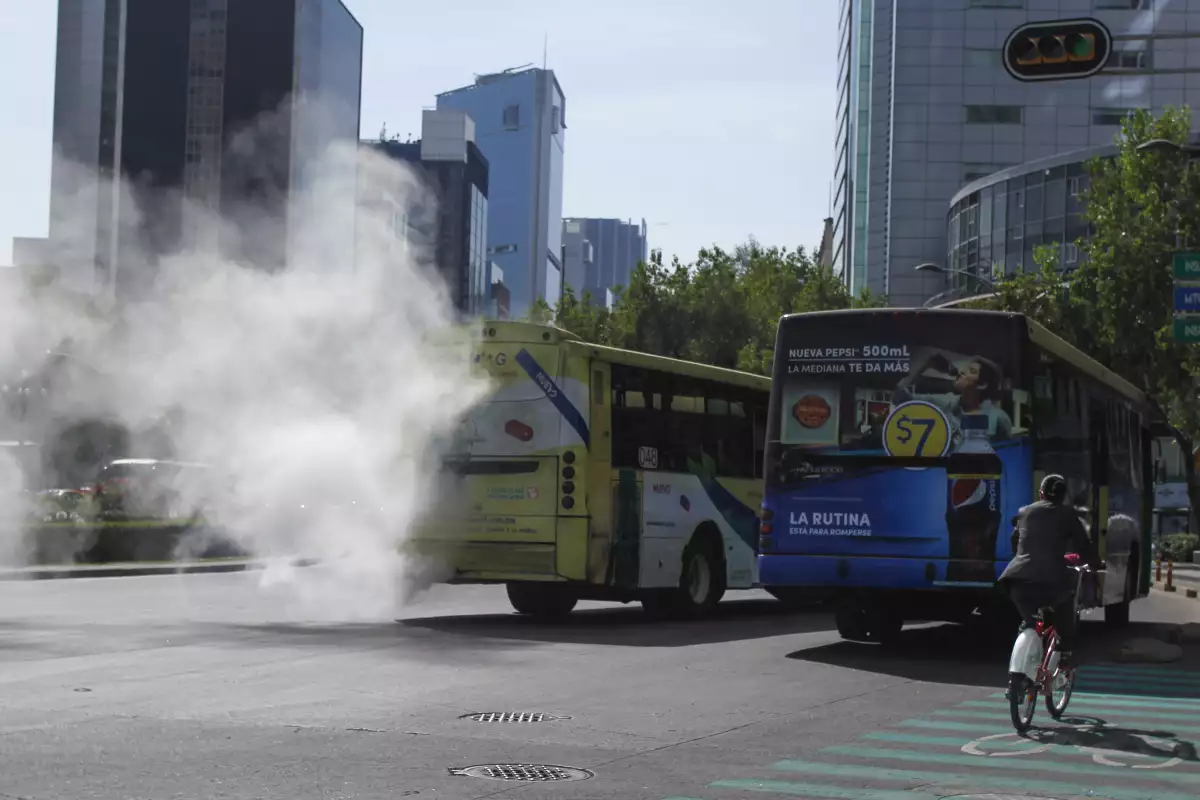
## How do vehicles pollute?
Vehicle pollution occurs when internal combustion engines—present in cars, trucks, motorcycles, and buses—burn fuel to generate energy. This process:
– Does not fully consume the fuel
– Releases gases like carbon dioxide (CO₂)
– Emits fine particles and toxic compounds through the exhaust
Factors such as poor maintenance, excessive use for short trips, slow traffic, and low-quality fuels intensify the environmental impact.
The main gas emissions that deposit into the atmosphere are nitrogen oxides, carbon monoxide, CO2, lead compounds, and small amounts of sulfur dioxide, hydrogen sulfide, and asbestos.
These are produced during the internal combustion process of fossil fuels, which occur within the vehicle engines.
## Global responsibility and sustainable alternatives
Internationally, countries with higher industrial development are responsible for a significant proportion of the polluting emissions generated by transportation. However, there are alternatives to mitigate the impact, such as:
– Promoting active mobility (bicycling, walking)
– Efficient and electrified public transportation
– Regular vehicle maintenance
– Use of clean fuels and hybrid or electric technologies
## Towards a cleaner urban mobility
Vehicle pollution not only affects public health but also compromises the right to a healthy environment. To reverse this trend, it is necessary to:
– Redesign cities to reduce car dependency
– Implement effective environmental control and monitoring policies
– Promote clean technologies and environmental education for citizens



