



A research published in the journal Plos One reveals that each person could inhale up to 68,000 microplastic particles from the air per day, many of them small enough to deeply penetrate the lungs and travel through the body.
The finding focuses on a less explored exposure route: the indoor air we breathe.
What are microplastics and how do they get into the air?
Microplastics are tiny particles that come from the degradation of plastic products or have been manufactured directly in that size for industrial and consumer uses.
They have already been detected in food, water, blood, and even in the human placenta. Now, this study shows that they are also present in the air of enclosed spaces, such as homes and vehicles.
Indoors more contaminated than outdoors
We spend 90% of our time indoors, where the concentration of microplastics is higher.
Researchers found that indoor microplastic concentrations are significantly higher than outdoors.
This is because materials like synthetic clothing, carpets, kitchen utensils, and plastic furniture release particles that remain suspended in the air. Everyday actions like walking, sitting, or opening a window can stir up accumulated particles, increasing exposure.
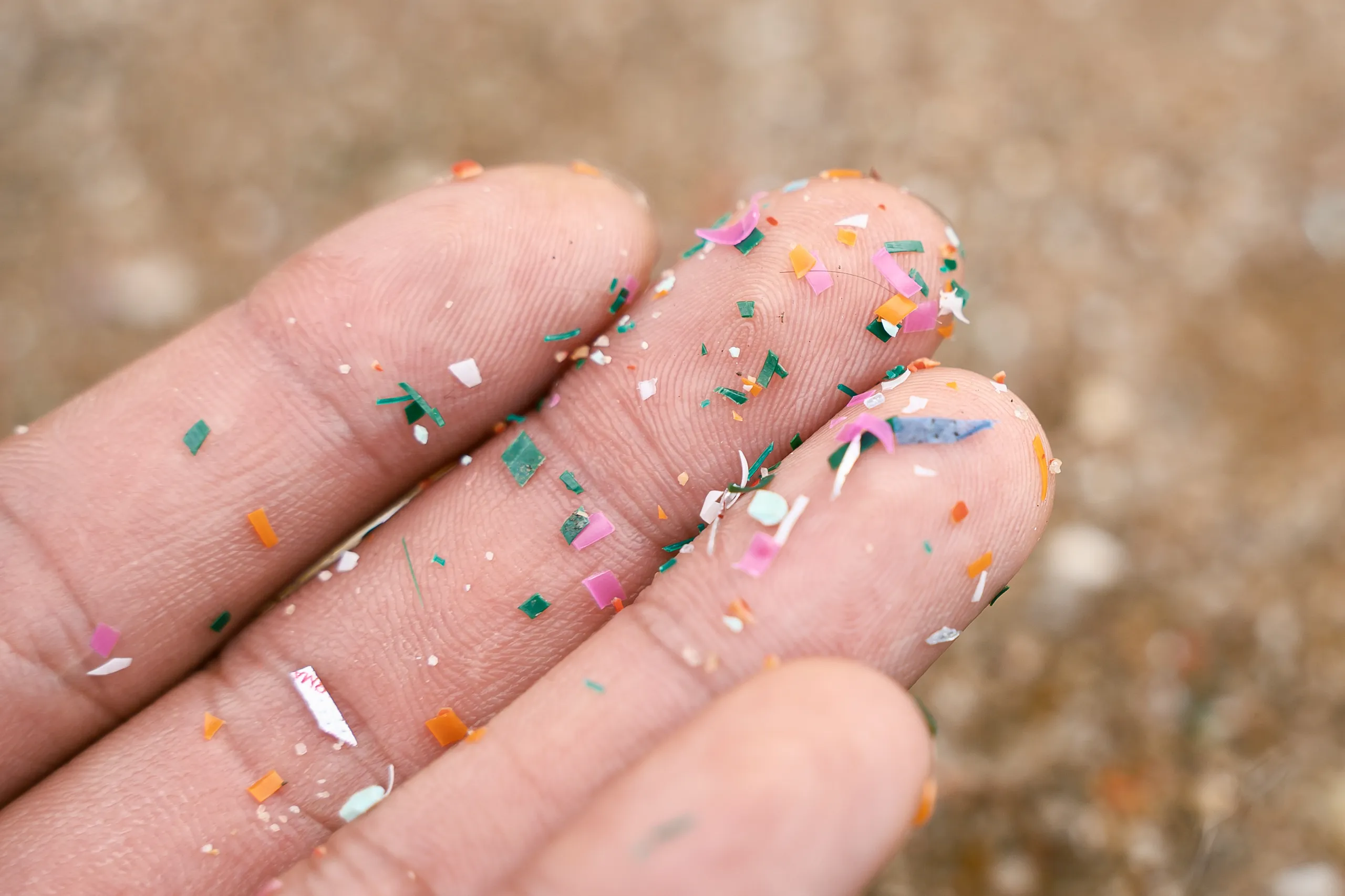 The health of everyone is affected by the presence of microplastics in the air.
Invisible particles, real risks
The most concerning particles are those measuring between 1 and 10 micrometers, about seven times thinner than a human hair. These remain in suspension longer and have a greater ability to penetrate respiratory tissues, reach the bloodstream, and spread throughout the body.
Possible effects include chronic lung inflammation, cancer risk, and exposure to toxic chemicals such as bisphenols, phthalates, and PFAS, present in many plastics and with proven impacts on health.
Vehicles: critical exposure spaces
The study also measured the air in private vehicles, where levels of microplastics were detected to be four times higher than in homes. This is attributed to poor ventilation, intensive use of plastic materials, and the small size of the space.
Although opening windows can help ventilate, it also increases the entry of external particles, such as those released from tire wear.
How to reduce daily exposure?
Simple measures to minimize the risk in homes and vehicles.
While completely eliminating microplastics from the air is impossible, researchers recommend:
- Vacuuming regularly and dusting frequently
- Reducing the use of plastics in textiles and household items
- Prefer natural materials like wood, metal, or plant fibers
- Install HEPA filters in ventilation systems
An exposure route as concerning as ingestion
The study concludes that daily inhalation of microplastics is much higher than previously thought, and could be as concerning as ingesting them through food or water.
While the long-term effects are not fully understood, the call is clear: reduce daily exposure and deepen scientific research on this form of invisible pollution.


