



The coast of Tamaulipas is once again at the center of environmental concern. A federal operation was deployed on Bagdad Beach to curb illegal fishing, an activity that in recent months has resulted in an alarming toll of dead fauna and degraded ecosystems. Reports from environmental groups prompted the mobilization, which included inspections by sea and land, as well as the seizure of unauthorized fishing vessels and gear.
The actions focused on unregistered vessels that reportedly operated from the Mezquital port. These illegal practices directly impact endangered marine species, such as the Loggerhead turtle, whose presence in the area should be a symbol of conservation rather than mortality.
The collective Conibio Global, which monitored the situation, warned on social media about the appearance of dead turtles on the coast, as well as injured pelicans and lifeless birds. Simultaneously, scenes of great impact were reported in the Laguna Madre, where dead fish and crustaceans appeared, reflecting the magnitude of the environmental crisis facing the region.
In previous weeks, over 200 pelicans were found dead on the beach. Many showed injuries caused by industrial fishing hooks, a method that does not differentiate between commercial catches and wildlife. The accumulation of these deaths reveals the hidden cost of illegal fishing, which not only affects marine populations but also the ecological balance of the coastline.
 Illegal fishing.
An industry harmful to marine ecosystems
The lack of official accountability by the authorities reinforces the need to disclose the results of these operations and strengthen surveillance. Bagdad Beach is a reminder of how illegal fishing goes beyond economic loss: it signifies the degradation of habitats, the death of protected species, and a direct threat to the food security of coastal communities.
Addressing this issue requires coordination, investment in monitoring technology, and, above all, a citizen commitment to responsible consumption of seafood products. The defense of the oceans is not solely the responsibility of authorities; it also depends on social pressure for law enforcement and the conscious choice of each consumer.
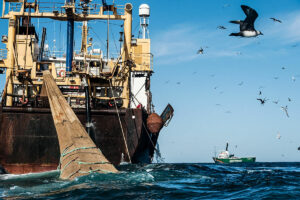 Illegal fishing
The environmental impact of illegal fishing
Illegal fishing is not just an activity outside the norm: it represents one of the main threats to marine biodiversity. In the case of Bagdad Beach, the use of prohibited fishing gear caused the incidental capture of turtles, birds, and mammals that are not part of the commercial chain. This practice drastically reduces the resilience of already vulnerable species.
Overexploitation also impacts coastal ecosystems. The massive extraction of fish disrupts the natural cycles of reproduction, alters the availability of food for seabirds, and weakens the resilience of the Laguna Madre, one of Mexico’s most important wetlands. In the medium term, these alterations generate cascading effects that affect legal fishing and the local economy.
Another environmental problem lies in the resulting pollution. Abandoned nets, plastics, and hooks remain in the sea as silent traps that continue to ensnare animals for years. This phenomenon, known as “ghost fishing,” multiplies the damages and turns the ocean into a hidden graveyard.
Furthermore, the ecological imbalance intensifies by affecting key species like the Loggerhead turtle, which plays an essential role in the health of marine ecosystems. The loss of these specimens implies less control over jellyfish populations and a decrease in the fertility of beaches, where their nests enrich coastal soils.


