



New studies have confirmed the presence of prohibited and highly toxic pesticides in the Yaguarón Stream, one of the branches of the Paraná River. The analyses were conducted by the Environmental Research Center (UNLP–CONICET) and the Buenos Aires Water Authority, revealing an alarming outlook for environmental and human health.
The watercourse, which for years received effluents from the Atanor chemical plant in San Nicolás, shows contamination levels that exceed the legal limits established for the protection of ecosystems. Environmental organizations have described the situation as a new precedent of accumulated environmental damage left by the company in the region.
The studies detected residues of pesticides banned decades ago, known for their persistence in the environment and their ability to bioaccumulate. These substances, despite being banned, remain in the sediments, affecting the aquatic flora and fauna and contaminating the water sources used by riverside communities.
A second survey confirmed the presence of pesticides in the water extraction wells of the industrial plant itself. The boreholes, which reach a depth of 60 meters, show that the contamination penetrated to the Puelche Aquifer, one of the country’s main underground freshwater reserves.
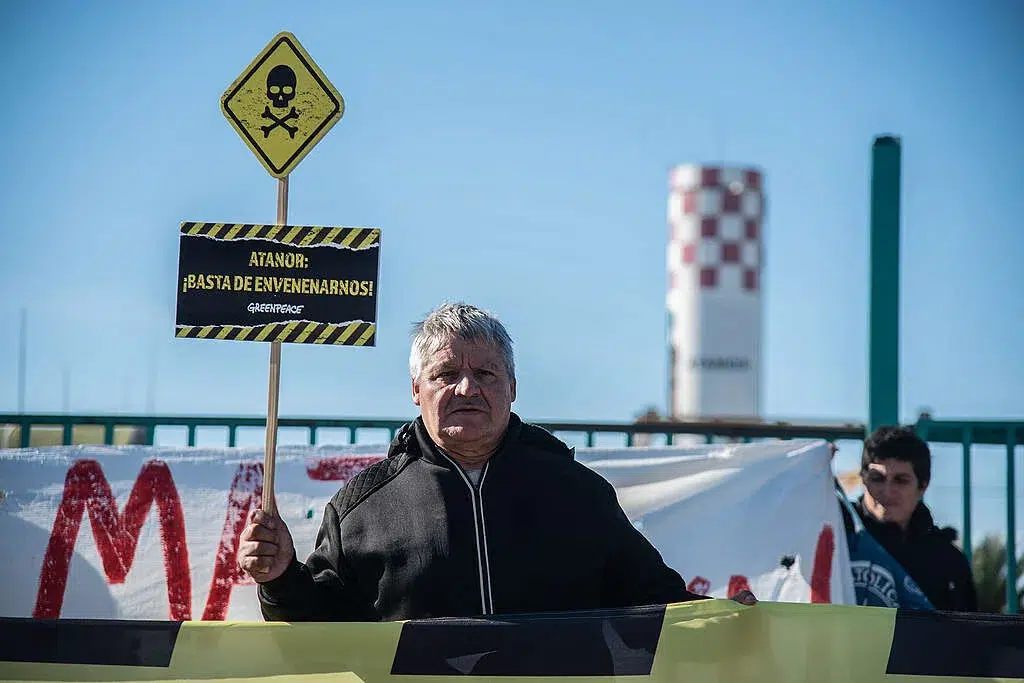
A problem that began decades ago
The environmental conflict linked to Atanor has a long history. The plant, established in San Nicolás in the 1950s, was one of Argentina’s main producers of agrochemicals and pesticides. For years, residents reported toxic odors, spills, and direct discharges into the Yaguarón Stream, without effective controls.
In the late 1990s, the first independent investigations began, already warning about the impact of industrial effluents on the water and soils of the area. However, control and remediation measures were scarce, allowing the contamination to spread unchecked for more than half a century.
In 2017, after multiple complaints and sanctions, the plant was closed for failing to comply with environmental regulations. Even so, the accumulated toxic residues continued to seep into the environment. The closure did not mean the end of the problem: the persistent chemicals continued to degrade ecosystems and affect the groundwater layers.
Currently, both the Paraná River and the Puelche Aquifer are used for potable water supply. The persistence of these contaminants poses a chronic risk to public health and the environmental balance of the entire region.
The contamination of the Atanor chemical plant and its consequences
The pesticides detected include compounds of high toxicity, such as organochlorines, known for their ability to remain in the environment for decades. These contaminants can cause neurological damage, hormonal disruptions, and chronic diseases in exposed individuals.
In the ecosystem, the effects are equally severe. Aquatic species suffer mutations, population decline, and disruptions in the food chain. The contamination of the Yaguarón Stream extends downstream, affecting large sections of the Paraná River, one of Argentina’s main water sources.
The environmental impact is not limited to water: the chemical residues reach the soils and affect local agricultural production, generating a long-term ecological imbalance. Additionally, the transport of contaminants through river currents exacerbates the spread of damage.

Towards a necessary environmental remediation
Although the Buenos Aires Water Authority acknowledged the presence of agrochemicals in the Paraná River, a comprehensive remediation plan that includes the recovery of soils, sediments, and aquifers is still lacking. Environmental organizations demand permanent monitoring and the creation of a fund for environmental restoration in San Nicolás.
The Atanor case represents a symbol of the environmental liabilities left by chemical industries when strict controls are not applied. Communities continue to demand environmental justice and urgent measures to ensure safe water and the restoration of the Paraná ecosystem.
The story of the Yaguarón Stream is a warning: the effects of industrial pollution do not disappear with the closure of a plant. They persist silently, reminding us of the environmental debt that still awaits settlement.


