



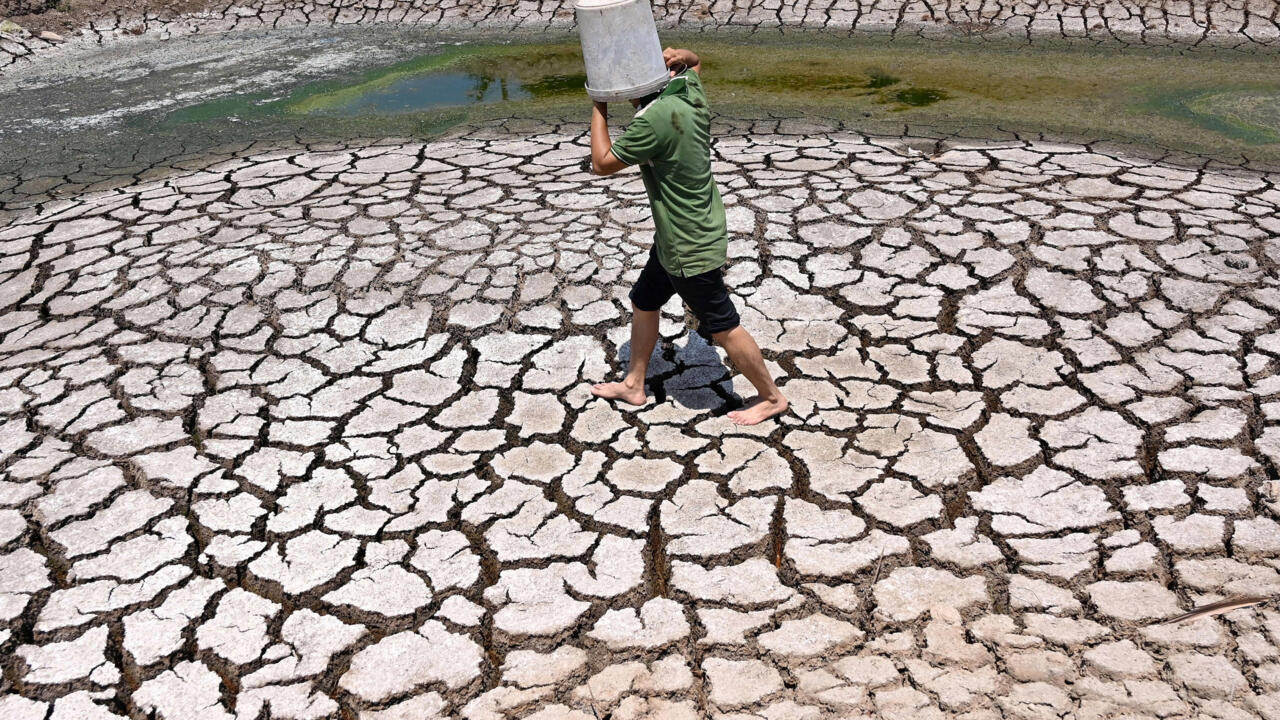
It is common that, when a storm, hurricane, volcanic eruption, or earthquake occurs, there is a tendency to label it as a “natural disaster“. However, the forces of nature only constitute a fraction of the disaster equation and, in some cases, do not even represent the most significant fraction.
The inherent dangers of nature transform into disasters as a consequence of a series of decisions or omissions made during development processes. These decisions encompass land occupation and use, investment priorities, as well as the standards and regulations chosen to comply with or, conversely, ignore. The natural disaster, analyzed from this perspective, is actually a social construction, much more than a natural or physical event.
The social dimension of risk
Disasters are not purely natural phenomena; they are the result of the interaction between physical threats (whether natural or constructed by human intervention, such as social, technological, or biotic) and pre-existing social, environmental, and economic conditions. This view is recognized by the Regional Human Development Report 2025, Under Pressure: Recalibrating the Future of Development, prepared by the United Nations Development Programme (UNDP).

Adopting this perspective requires a paradigm shift: we must go beyond merely controlling or anticipating threats to adopt risk management understood as a social process. This management must be integrated into the sustainable development process, in order to anticipate, prevent, and reduce exposures and vulnerabilities in an environment of growing uncertainty.
Case studies in the region
Two emblematic cases in Latin America help explain why resilient human development demands this transformation in risk management:
Choloma (Honduras): The boom of the maquila industry in northern Honduras multiplied employment and income, but did so at the expense of accelerated urbanization on riverbanks, wetlands, and drainage areas, which were filled with waste. Numerous existing ordinances were disregarded, and the municipal capacity to provide services and maintain the channels was overwhelmed by the pace of investment. When the intense rains of hurricanes Maria and Irma arrived in 2017, the city did not experience a “climatic surprise“, but rather reaped the consequences of decades of decisions that normalized exposure to risk and deepened vulnerability.
Volcán de Fuego (Guatemala): The eruption in June 2018 reflects the unequal distribution of protection. The village of San Miguel Los Lotes, inhabited by families with low socioeconomic resources, was devastated and left hundreds of victims. A few kilometers away, a tourist complex —equipped with contingency protocols, drills, insurance, and coordination with authorities— evacuated in time and avoided human losses, although it suffered severe infrastructure damage. Faced with the same threat, the results were opposite.
Behind this divergence, four factors manifest: disparate institutional and community capacities, differentiated information circulation, differences in land use zoning, and unequal trust in institutions, which slows the effectiveness of alert systems.
Resilience: from slogan to development criterion
If risk is a social construction, resilience cannot be limited to being a discursive element or a “component” added at the end of projects. It must operate as a development criterion from the start.
This means that the planning, financing, and execution of public policies, works, and programs must incorporate risk filters, multi-threat analysis, and adaptation to climate change from the design phase. The key question is not just how to better respond to the next natural disaster, but how to stop manufacturing it.
The accumulated experience from forensic risk research indicates that, to achieve this goal, it is necessary to act as a priority on four fronts of change:
The Land: Areas like riverbanks, water recharge areas, unstable slopes, and critical coastal fronts cannot be considered “available land“. It is imperative to prevent real estate pressure from pushing the most vulnerable households into the most dangerous areas.
The Environment as a Risk Reduction Policy: The degradation of basins, destruction of mangroves, and loss of vegetative cover are actions that turn intense rain into a flood or a steep slope into a landslide. Ecological restoration, control of aggregate extraction and fills, and waste management are not decorative “green” elements; they are fundamental pieces of a collective security system.
Social Protection as a Buffer: Reducing poverty and inequality, which are drivers of everyday risk, is in itself an action of risk reduction for natural disasters. Safe housing, access to water and sanitation, stable incomes, inclusive insurance, and robust public services are the factors that make the difference between a scare and a tragedy.

The Budget: Most of the resources associated with risk are allocated to alerting, responding, and rebuilding. It is essential to reverse that logic: transition from compensatory-reactive to prospective-sustainable. This implies incorporating risk and climate filters in project banks, shielding preventive budgets, aligning fiscal incentives so that municipalities that avoid creating new risk receive financing priority, and discouraging corruption in territory occupation processes. It’s not about spending more, but spending differently.
All these elements were highlighted in the working document of the Regional Report 2025, “Redefining socio-natural resilience within the framework of human development: disasters, risk, and resilience in Latin America and the Caribbean”, which served as the basis for the general findings of the report.
Look in the mirror and act before the natural disaster
More than 80% of the region’s population lives in cities, and the fastest growth is projected in small and intermediate cities, precisely where technical and fiscal capacities are most limited. If inertia prevails, territories will be consolidated whose correction will be extremely costly and whose damage will be extremely cheap.
The window of opportunity lies in everyday actions: complying with regulations, maintaining drains, organizing neighborhoods alongside institutions, and budgetarily rewarding prevention and early warnings that involve community participation.
Choloma and Los Lotes are not anomalies; they are warnings. The first case reminds us that employment and short-term growth demand, when lacking territorial safeguards, produce risk as a byproduct. The second shows that, in the face of the same volcano, it is the inequality of capacities —and the social context that defines it— that determines who is saved.
If the natural disaster is a mirror, what it reflects back is not the image of a capricious climate, but of a development model that tolerates informality as a safety valve, celebrates investments without controls, and reserves protection for those who can afford it. Changing that image requires coherence, continuity over time, and a simple rule to guide public and private policies, inspired by the Hippocratic Oath: “first, do not manufacture risk“.
Responding, rebuilding, and recovering faster and better will remain essential. But these actions will be more efficient and equitable only if development incorporates risk analysis from the beginning. Forensic risk research offers the bridge between diagnosis and institutional change, and is one of the instruments that can promote resilient human development.
By Allan Lavell and Rodrigo Barraza/ Latinoamérica21



