



Between 1990 and 2020, the **Andean glaciers** lost more than **35% of their surface area**, increasing exposure to **avalanches, landslides**, and **glacial lake outburst floods (GLOFs)**.
The **high-altitude mountain ecosystems** play key roles in **ecological balance** and the [availability of fresh water](https://noticiasambientales.com/ciencia/crisis-hidrica-mundial-un-estudio-revela-que-el-agua-dulce-desaparece-a-un-ritmo-alarmante-a-que-se-debe/), but they are facing **profound transformations**.
## Peru: epicenter of glacial vulnerability
More than 10 million people depend on **watersheds** affected by ice retreat.
The **National Glacier Inventory 2023** reveals a **53% decline** in Peruvian glacier coverage since 1962. This loss:
– Increases the [risk of natural disasters](https://noticiasambientales.com/medio-ambiente/aludes-el-desastre-natural-que-arrasa-todo-a-su-paso-y-dejo-devastada-a-la-aldea-de-tarsin-en-sudan/)
– Alters the water cycle
– Compromises biodiversity and subsistence agriculture
**Glacial lakes**, formed by ice melting, are contained by fragile natural barriers. Their rupture can release **millions of cubic meters of water and sediments** in minutes, flowing at over **10 m/s** and affecting areas located **hundreds of kilometers downstream**.
## GLOFs: increasingly frequent and destructive glacial outbursts
The combination of **glacial retreat and extreme events** has tripled their occurrence in recent decades.
The **tropical Andes** harbor **60% of the planet’s tropical glaciers**, and their disappearance is creating **unstable lakes**.
In Peru, an estimated **1.2 million people** live in areas exposed to GLOFs, with **over 120,000** in the **Cordillera Blanca**. **Unplanned urban growth** exacerbates the potential impact of these events.
## International cooperation and sustainable solutions
The **UN** declares 2025 as the **[International Year for the Protection of Glaciers](https://news.un.org/es/story/2025/01/1535871)**.
Given the magnitude of the problem, integrated strategies are being promoted, such as:
– Reforestation with native species
– Comprehensive watershed management
– Satellite monitoring and early warning systems
These actions can **reduce erosion by up to 30%**, stabilize the terrain, and **strengthen community resilience**.
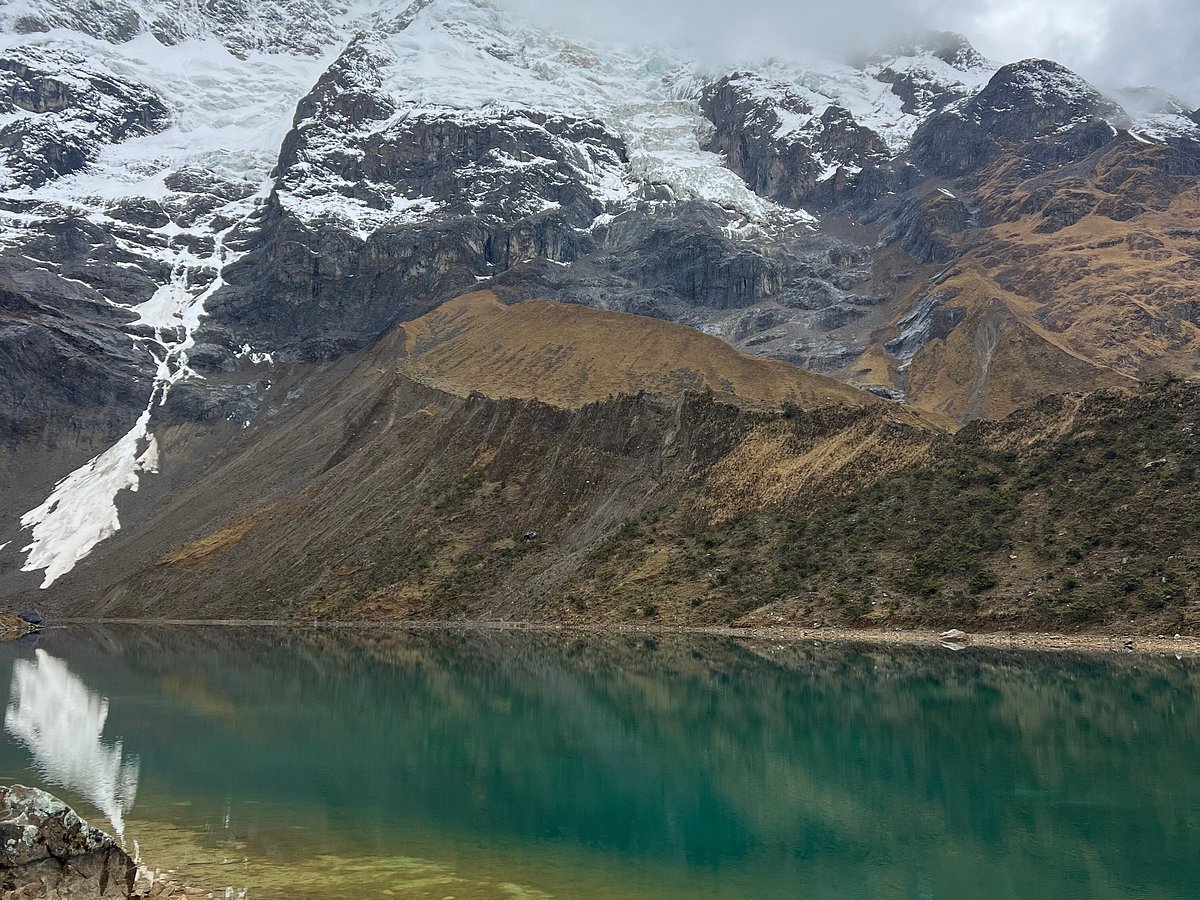
## IDB and Peru: an alliance to anticipate and mitigate risks
The **Inter-American Development Bank (IDB)** has collaborated in glacier risk management in lakes like **Palcacocha**, located at 4,562 m above sea level. In 2011, it was declared in a state of emergency, and a study allowed to **model for the first time the path of an avalanche to Huaraz**.
Since 2020, the IDB has been promoting **investment plans** to implement **Early Warning Systems (EWS)** in five priority sub-basins, including **Áncash, Junín, and Huari-Huari**.
## Territorial adaptation and climate resilience
**Natural infrastructure and strategic planning** to protect vulnerable communities.
Building resilience requires:
– Vegetative barriers and satellite monitoring
– Green job creation and food security
– Territorial planning in high-altitude areas
In Peru and Bolivia, the loss of glaciers jeopardizes **irrigation for up to 40% of Andean agricultural production, and natural disasters can represent up to **2% of the annual regional GDP**.
## Innovative financing and shared knowledge
The program **”Prepared and Resilient in the Americas”** aims to guide investments to reduce threats.
The IDB promotes financial and technical tools to:
– Preserve glaciers and mountain ecosystems
– Improve risk modeling
– Promote sustainable development through regional cooperation
In Peru, having an **early warning system** can make a difference between life and death for **over 600,000 people** living near glacier basins.


