



The ocean, source of life and sustenance for millions, is at a turning point. Overfishing, biodiversity loss, and pollution are pushing marine ecosystems towards a critical state. In this scenario, more than 100 countries —including Argentina— are discussing global strategies to reverse the damage.
During the third United Nations Oceans Conference held in Nice, a key objective was debated: to protect at least 30% of the seas by 2030. Achieving this goal requires more than just signing agreements: concrete actions are needed, real commitments, and profound changes in the model of marine use.
Although Argentina signed the High Seas Treaty, it has not yet ratified it. This agreement would allow the creation of marine protected areas beyond national jurisdictions, something crucial for conserving ocean life in international waters.
The challenge is significant. The future of fishing depends on the balance between conservation and production. Taking care of the ocean is no longer an environmental option: it is an economic and social necessity.
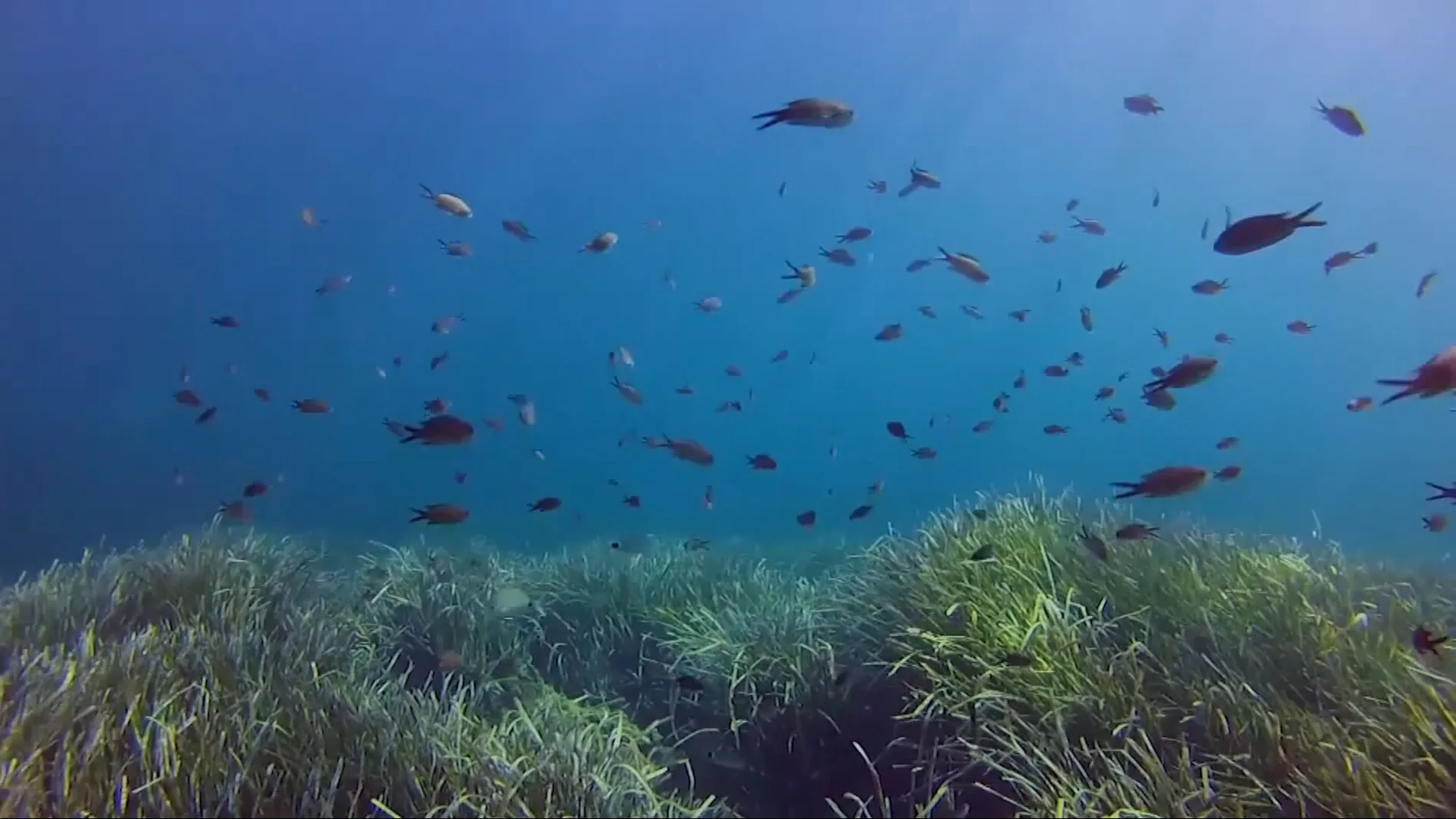
30×30: Protecting for Better Production
The global 30×30 plan aims to safeguard 30% of the planet’s waters by 2030. However, currently only 8% is effectively protected. This highlights a gap between discourse and action that urgently needs to be closed to preserve marine resources.
The key is not in prohibition but in planning: identifying essential areas for biodiversity, limiting extractive pressures, and allowing ecosystems to regenerate. Scientific evidence shows that well-preserved areas help restore fish populations, even beyond their boundaries.
Argentina has one of the richest marine platforms in the world. Ensuring its sustainability does not mean opposing fishing but ensuring its continuity. Investing in conservation is also investing in production.
The Sea as a State Policy
Beyond international waters, 96% of global fishing occurs within the 200-mile national jurisdiction. This is where the greatest protection efforts should be focused. And it’s also where Argentina must define a comprehensive ocean policy.
There are currently protected areas like Namuncurá or Yaganes, but their implementation is partial. Ecological corridors, coastal reserves, and mechanisms connecting critical ecosystems are lacking. There is also a need for coordination between the Nation, provinces, science, and communities.
The country has the opportunity to lead by example. Ratifying the High Seas Treaty and redirecting part of fishing subsidies towards conservation would be key steps. Because a well-managed sea is an endless source of life. But without urgent action, that balance is broken. And with it, the future.
 Consequences of ocean temperature increase.
The Vital Role of Oceans in the Planet’s Balance
Oceans are essential for life on Earth. They cover over 70% of the planet’s surface and act as the main climate regulator, absorbing about 90% of the excess heat generated by human activities and approximately a quarter of the carbon dioxide emitted into the atmosphere.
In addition to their role as a carbon sink, oceans generate over 50% of the oxygen we breathe, thanks to the activity of phytoplankton, small photosynthetic organisms that float in surface waters. They also play a fundamental role in the water cycle, influencing rainfall, atmospheric currents, and global temperature.
Their biodiversity harbors millions of species, many still unknown, that support food webs, economic activities, and entire cultures. Taking care of the oceans is not just about protecting marine life but also ensuring the planet’s environmental health and long-term human well-being.


