



The Amazon faces all kinds of disasters. The effects of climate change not only impact its ecosystems, but also millions of people who depend on them for survival.
A new study published on the platform IOPscience found that between 2013 and 2023 the region recorded more than 12,500 climate disasters —floods, landslides, fires, storms, and droughts— that affected more than three million people in a single year and damaged thousands of public infrastructure works.
Underreporting and lack of information
The figures reflect only what happened in five Amazonian countries, as Venezuela, Suriname, Guyana, and French Guiana did not provide information. Furthermore, the study detected inconsistencies in the way climate disasters are reported, which prevented obtaining a complete picture and evidenced an underreporting of events such as droughts and heatwaves.
For the authors, this reveals an underestimated and poorly understood socio-environmental crisis, but also an opportunity to coordinate monitoring and prevention actions that allow the population to adapt to increasingly intense events.
Typology of climate disasters
Of the total events analyzed, the most frequent were:
- Floods: 4,233 cases.
- Landslides: 3,089 cases.
- Storms: 2,607 cases.
Trends varied by country:
- Ecuador: more than 300 landslides in Andean foothill municipalities.
- Peru: higher frequency of storms.
- Brazil: increase in floods.
Forest fires (2,016 cases) increased in all countries, linked to agricultural practices and land grabbing, especially in Bolivia, Brazil, and Colombia.
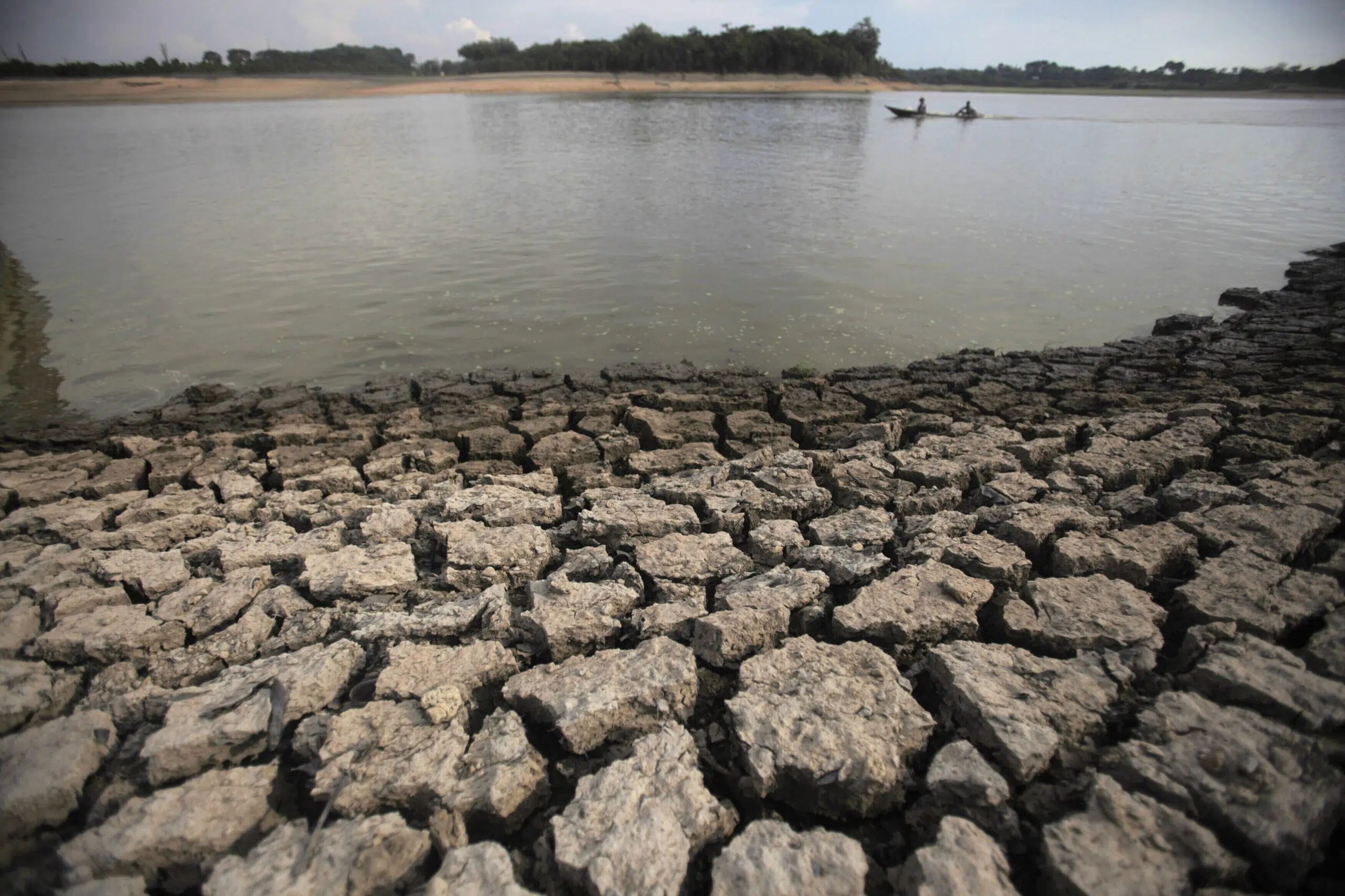
Droughts and heatwaves: insufficient information
The phenomena most linked to climate change were the least reported. Only Bolivia and Brazil consistently recorded droughts and heatwaves, despite previous research and satellite data confirming their occurrence throughout the region.
- Heatwaves: 105 cases, 97% in Brazil and 3% in Bolivia.
- Droughts: 95% in Brazil and Bolivia, 4% in Peru.
Both categories were excluded from the analysis due to a lack of reliable data.
Most affected municipalities
The study identified that 41 Amazonian municipalities recorded more than 50 disasters in 10 years, and 10 of them exceeded 100 events.
- Ecuador: eight municipalities with high landslide records, including Zamora (313), Limón Indanza (251), and Morona (180).
- Bolivia: Trinidad with 160 floods.
- Peru: Chachapoyas with 136 storms.
- Colombia: municipalities like Puerto Rico, San José del Guaviare, Granada, and La Macarena concentrated the largest number of forest fires, linked to deforestation by agroindustry.
Social and environmental impacts
The study warns that the poorest populations and those dependent on forests, crops, and healthy rivers are the most vulnerable and least able to adapt.
Critical infrastructures —roads, schools, hospitals, dams, and homes— are the most affected. Additionally, the impacts extend beyond the region: Amazon fires account for 80% of the increase in regional fine particle pollution, affecting 24 million inhabitants and causing nearly 150,000 Brazilians to require hospital care, even in distant cities like São Paulo.
Study recommendations
The co-authors emphasize that climate events do not recognize borders, so transnational coordination is key. Proposed measures include:
- Investing in early warning systems and observation infrastructure.
- Improving connectivity in remote territories.
- Strengthening social protection and basic services.
- Standardizing and publishing disaster reports online.
- Directing regional funds to local communities.
- Integrating climate change mitigation into land-use planning.
- Improving communication and updating disaster strategies.
The Amazon faces a continental-scale climate crisis, with impacts that transcend borders and will persist in the coming decades. The lack of information and coordination exacerbates the vulnerability of millions of people, but also opens the opportunity to build a regional monitoring and prevention system that protects both the population and the planet’s most important ecosystems.



