



The sport fishing tournament held in Bahía Rosas, near Viedma, left a worrying scene. The day, which was supposed to be for recreation, ended with the shores full of hooks, bait remains, and trash. The worst part: several seagulls were seen with hooks stuck in their beaks or bodies, an image that reflects the environmental impact of the lack of responsibility.
Witnesses reported that, after the competition, participants left the beaches without picking up the waste. In several areas, cut hooks, pieces of fishing line, and trays with bait remains were found, turning the place into a danger for both marine wildlife and visitors to the coast.
The case generated outrage not only for the harm to the birds but also for the risk it poses to people. There were testimonies of those who, while walking on the beach, stepped on discarded hooks and suffered injuries.
This episode adds to a long list of similar complaints, where irresponsible fishing practices leave lasting impacts on the environment and wildlife.
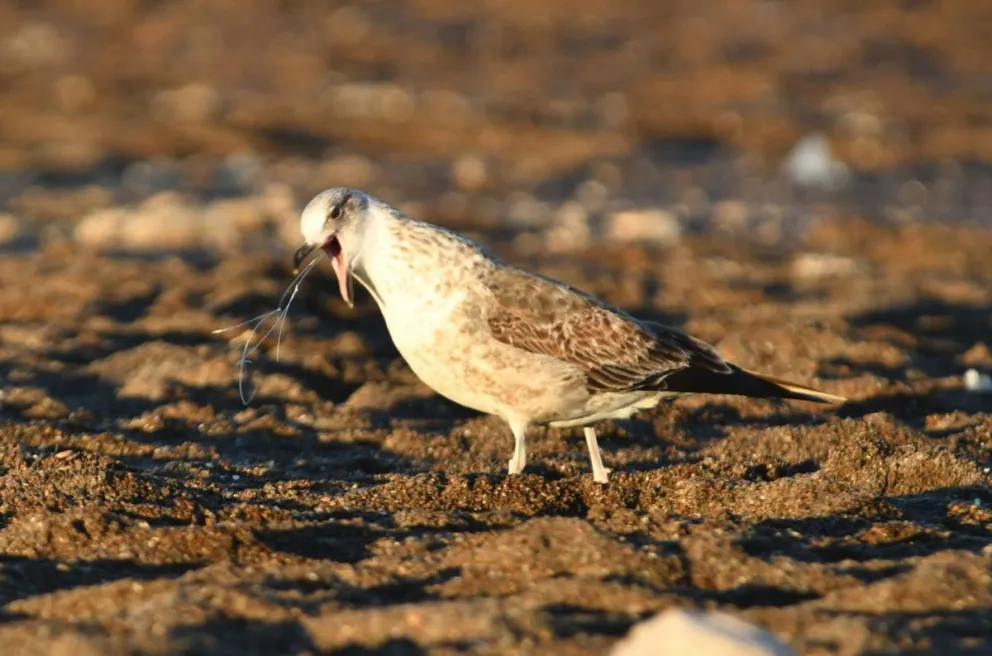 The consequences of sport fishing in Bahía Rosas. Photo: Noticias Net.
The environmental cost of marine litter
The waste left on the shores not only affects the beauty of natural landscapes. Garbage, especially plastic waste, fishing lines, and hooks, wreak havoc on the species that inhabit or pass through the area.
Marine birds often mistake bait remains for food. By ingesting hooks or getting trapped in fishing lines, they suffer injuries, infections, and, in many cases, die from being unable to feed or fly.
The litter also harms the coastal ecosystem as a whole. Plastics and metals pollute the water, affecting marine fish and mammals, and even entering the human food chain.
The accumulation of waste also causes disturbances in natural habitats and contributes to the decline of sustainable tourism, affecting the local economy.
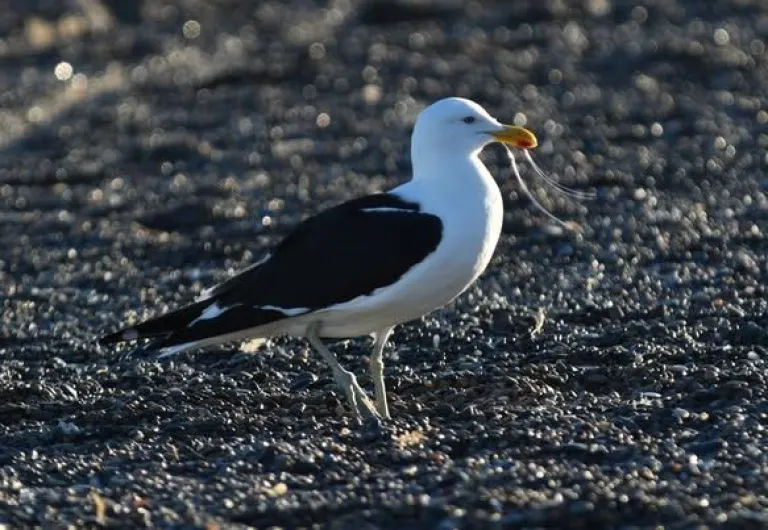 The dangers of sport fishing. Photo: Noticias Net.
Sport fishing and an urgent call for responsibility
These incidents highlight the need to regulate and control recreational practices on the coasts. Local authorities and event organizers must ensure that the activity is not carried out at the expense of the environment.
Environmental education also plays a key role. Raising awareness about the importance of taking waste with you and respecting marine wildlife is crucial to prevent these damages.
Protecting coastal ecosystems requires a real commitment from society as a whole: fishermen, tourists, residents, and governments. Only then can we prevent the enjoyment of nature from turning into its destruction.



