



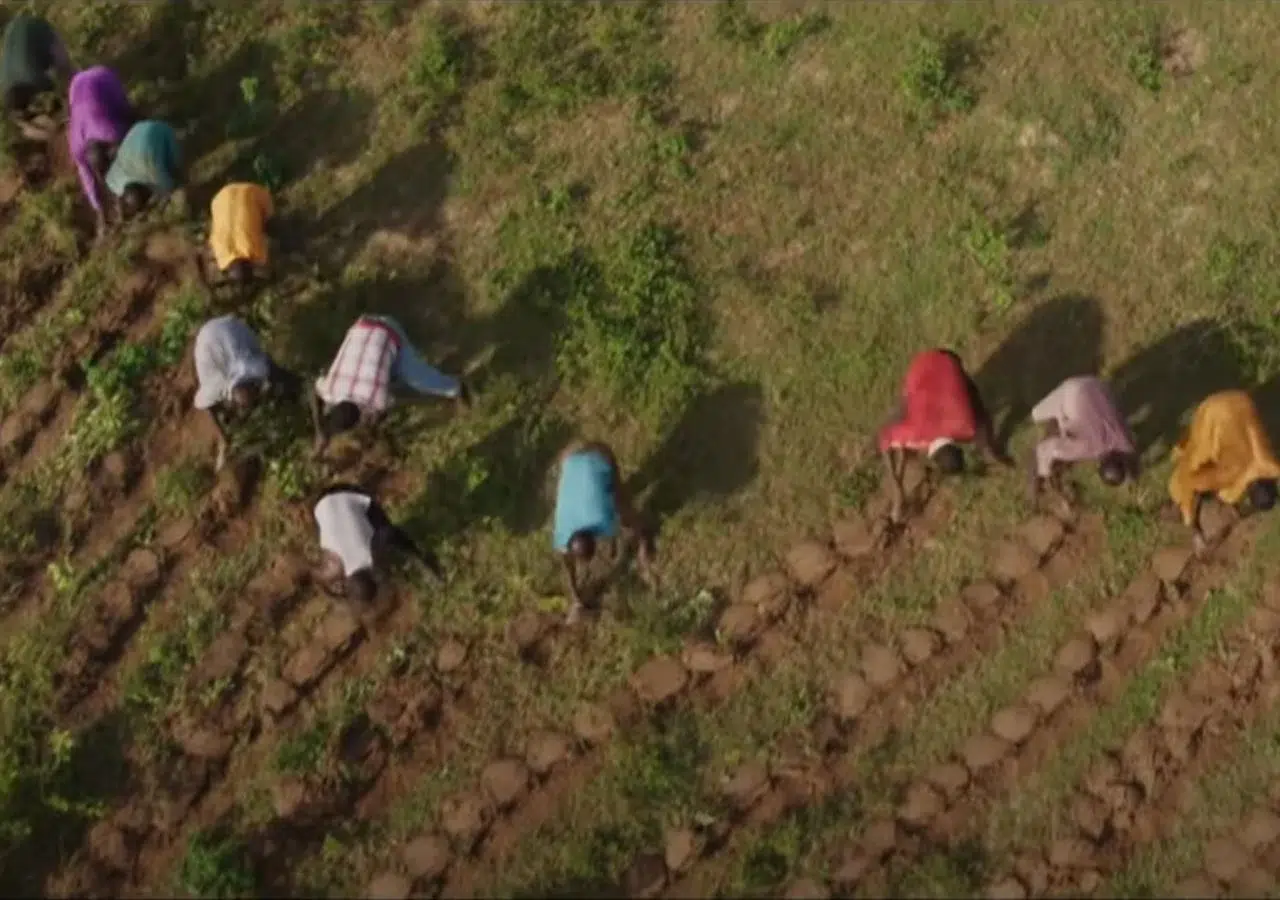
In the heart of the Sahel, a wall of 10,000 trees planted over six kilometers protects a village from the wind. This small example is part of the Great Green Wall, a belt of vegetation 8,000 kilometers long and 15 wide, considered one of the most ambitious ecological restoration initiatives on the African continent.
A continental project with historical goals
The African Union launched the initiative in 2007 in 11 countries: Mauritania, Senegal, Mali, Burkina Faso, Niger, Nigeria, Chad, Sudan, Ethiopia, Eritrea, and Djibouti. By 2030, the goal is:
- Restore 100 million hectares of degraded lands.
- Create 10 million green jobs.
- Capture 250 million tons of CO₂.
Although initially conceived as a vegetative barrier against desert encroachment, today the proposal has expanded towards a comprehensive rural development approach: recovering lands, conserving soil and water, supporting agricultural and livestock production, and helping communities adapt to climate change.
Local advances and achievements
Despite obstacles, the Great Green Wall has shown positive results in specific areas:
- Planting millions of trees and restoring degraded soils.
- Sustainable agriculture practices and water management, which improve soil quality and livelihoods.
- Innovative techniques like crescent-shaped terraces and green trenches to retain water in arid zones.
- International recognition: the initiative has received awards from the UN for its contribution to combating desertification.
In Nigeria, for example, the execution reaches 50%, with more than 45 million seedlings produced and about 12,000 hectares restored between 2015 and 2024.
Persistent challenges
However, progress is uneven and faces major challenges:
- Insufficient funding: it is estimated that at least 33 billion additional dollars are needed to meet the goals.
- Low seedling survival rate: many die due to lack of irrigation or weak rainy seasons.
- Insecurity in the Sahel: armed conflicts and terrorist attacks hinder implementation in areas like Zamfara, Katsina, and Borno.
- Slow progress: after 18 years, the project has achieved only 30% execution in the 2020-2030 decade.
In Senegal, a study published in Land Use Policy revealed that only 2 of the 36 planted plots showed significant greening trends, highlighting the fragility of the process.
The issue of funding
At the One Planet Summit of 2021, 19 billion dollars were pledged to finance the initiative. Of that amount, 16 billion have already been disbursed, but it is still not enough.
The United Nations Convention to Combat Desertification (UNCCD) estimates that at least 33 billion dollars are needed to meet the objectives. Therefore, funding has become a central issue in international scenarios such as the African Climate Summit in Addis Ababa and COP30 in Belém, where Nigeria again called for more resources.
Regional expansion and future
The momentum of the Great Green Wall has extended beyond the initial 11 countries. The Southern African Development Community (SADC) is structuring a similar project in the southern part of the continent, which would cover 16 countries from the Democratic Republic of the Congo to South Africa.
The Great Green Wall is advancing, but at a slow pace and with significant challenges. Although it has achieved positive impacts at the local level, it is far from meeting its initial goals for 2030.
The project remains a symbol of hope and resilience against climate change and desertification, but it requires more funding, greater coordination, and solutions adapted to the realities of the Sahel. Its success will not only benefit Africa but will also be a crucial contribution to the global fight against climate change.


