



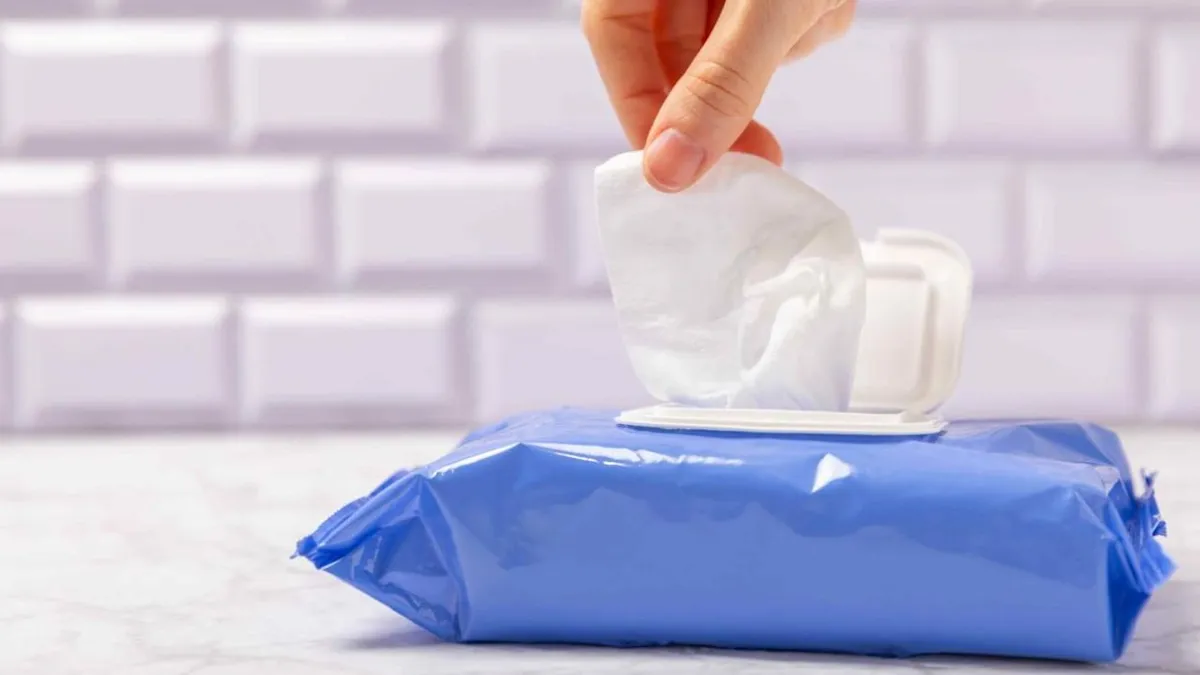
Wet wipes have become popular due to their practicality in home cleaning and personal care. However, behind this convenience lies an invisible environmental impact. Most are made from synthetic fibers like polyester, nylon, or polypropylene, materials that do not fully degrade.
Instead of decomposing, they break down into microplastics that persist in the environment for years. Factors such as moisture, friction, and passage through sewage systems accelerate this process. Many particles reach water treatment plants, where they are not always filtered, becoming a silent source of pollution.
Impact on the skin
In addition to the environmental issue, makeup remover wipes are questioned by dermatologists:
- Abrasive friction: rubbing can irritate the skin.
- Irritating ingredients: alcohol, fragrances, and preservatives alter the natural pH.
- Superficial cleaning: they do not effectively remove makeup or pollution, clogging pores.
- Persistent residues: they generate a large amount of non-biodegradable waste.
More sustainable and healthy alternatives
Experts recommend replacing them with biodegradable or reusable options such as micellar water, cleansing oils, and cotton cloths, which protect both the environment and skin health.
In light of this situation, options have been promoted that reduce environmental impact and improve skin care:
- Natural fiber wipes: made from cellulose or bamboo, biodegradable and less polluting.
- Reusable cotton cloths: washable and durable, they reduce waste generation.
- Micellar water: gently cleans without the need for rinsing, ideal for daily use.
- Cleansing oils or balms: dissolve resistant makeup and are removed with water.
- Reusable cotton pads: sustainable and suitable for use with liquid cleansers.
- Double cleansing: first an oil-based cleanser and then a water-based gel for greater effectiveness.
- Cloth/muslin wipes or Konjac sponge: natural and biodegradable options that clean and gently exfoliate.
Benefits of a conscious routine
Adopting more sustainable alternatives not only protects the environment but also improves skin health:
- Delays aging by removing pollution and makeup residues.
- Strengthens the skin barrier, maintaining hydration and defense against bacteria.
- Reduces acne and blackheads, by deeply cleaning without irritation.
Wet wipes remain useful, but their environmental and dermatological impact is driving a shift towards more sustainable and healthy options. Replacing them with biodegradable or reusable products not only reduces microplastic pollution but also promotes healthier skin and a conscious cleaning routine.


