



The Federal Court of Santa Rosa, under the charge of Judge Juan José Baric, rejected the precautionary measure filed by the province of La Pampa, the National University of La Pampa, and environmental organizations to immediately suspend the application of the Law 27.804 (reform of the Glacier Law).
The magistrate considered that the necessary requirements to decree a general suspension of the norm throughout the country were not met. However, he declared the environmental collective protection admissible, enabling the debate on the constitutionality of the reform.
Arguments of the lawsuit
The action was driven by Governor Sergio Ziliotto, the State Prosecutor’s Office, and environmental entities, who argue that the reform implies a “regulatory setback” in environmental matters. The main objections were:
- Reduction of protected areas.
- Flexibilization of prohibitions for extractive activities.
- Decentralization of evaluations towards the provinces.
- Weakening of the National Glacier Inventory and the technical role of IANIGLA.
The plaintiffs warned that the reform could enable mining and hydrocarbon projects in sensitive areas, affecting strategic freshwater reserves.
Judge’s grounds
Baric argued that the action challenges the law “in abstract,” without identifying specific projects or current damages derived from the regulation. He cited the Supreme Court precedent in the case “Thomas”, which established limits on the suspension of laws through precautionary measures.
“The precautionary request is not an appropriate means to satisfy the speculative interest of the actors,” he noted in his ruling, adding that a national suspension would have a significant impact on the principle of separation of powers.
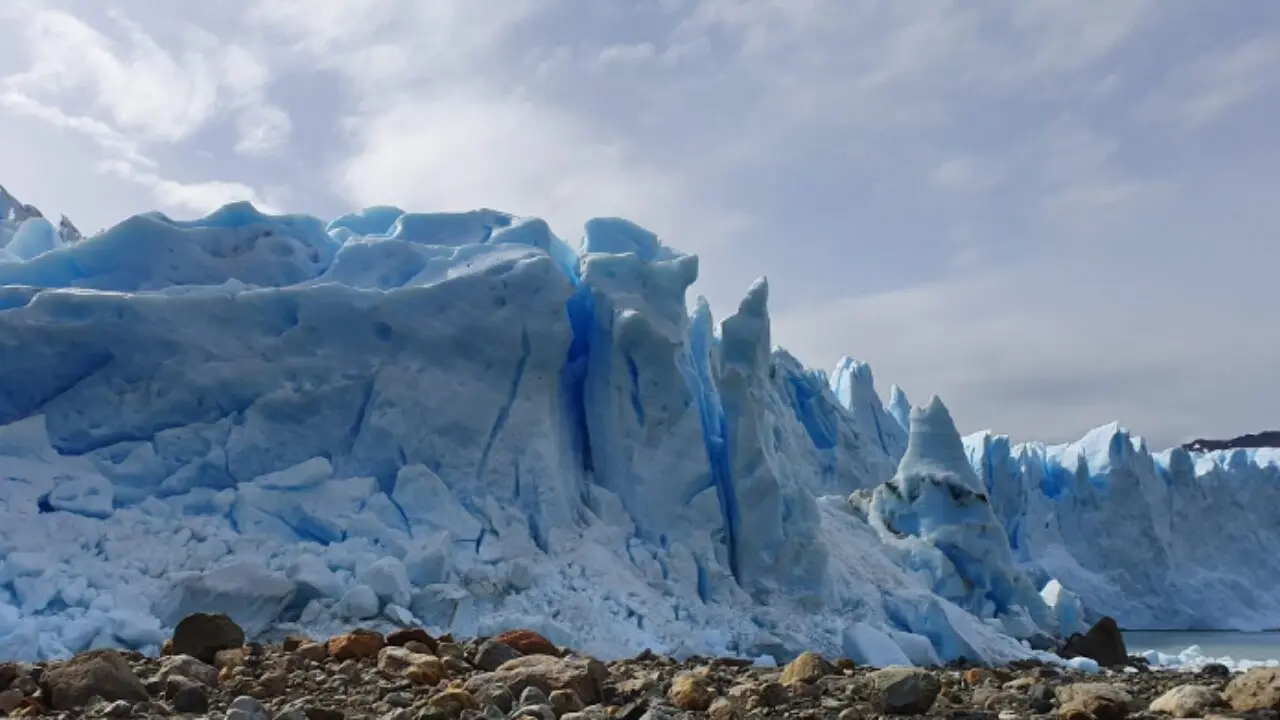
The 2026 reform of the Glacier Law
The modification approved in April 2026 introduced substantial changes:
- Less environmental protection: the original law (2010) prohibited mining and hydrocarbons in all glaciers and periglacial environments; the reform allows activity in areas of “debris glaciers” or zones not considered strategic.
- Focus on the water function: only glaciers that are strategic water reserves will be strictly protected.
- Provincial authority: provinces will decide which areas fulfill the water function.
- Boost to mining: previously paralyzed projects are enabled.
Continuity of the process
The court ordered the National State to present the report provided for in Law 16.986 and confirmed the registration of the case in the Public Registry of Collective Processes. The file will continue its course, keeping open the debate on the constitutionality of the reform amid the tension between environmental sectors, provinces, and mining and energy actors.
The judicial decision marks a point of balance: it rejects the immediate suspension of the law but keeps alive the collective protection that questions its constitutionality. The future of the protection of glaciers and freshwater reserves in Argentina will depend on how this process advances, which faces environmental and economic interests in a field of high social and political sensitivity.


