



The recent preliminary approval of the Glacier Law reform in the Senate to ease the protection of frozen areas raises alarms for potential violations of the environmental clauses of the transatlantic treaty.
The Glacier Law reform in Argentina has generated an intense debate that transcends national borders, positioning itself as a potential obstacle for the definitive ratification of the EU-Mercosur agreement.
The project, which already has the approval of the Upper House, seeks to redefine the limits of protected areas to encourage investments in the mining sector.
However, specialists in environmental law and international organizations warn that this legislative amendment could be interpreted as a setback in conservation standards, contravening the sustainability commitments required by the European Union for free trade.
The core of the controversy lies in the transfer of powers to the provinces to determine which periglacial areas should be preserved.
While the national Executive argues that this measure provides “legal certainty” for projects promising disbursements close to 30 billion dollars—mainly in copper extraction—critical sectors point out that the supply of freshwater is at risk.
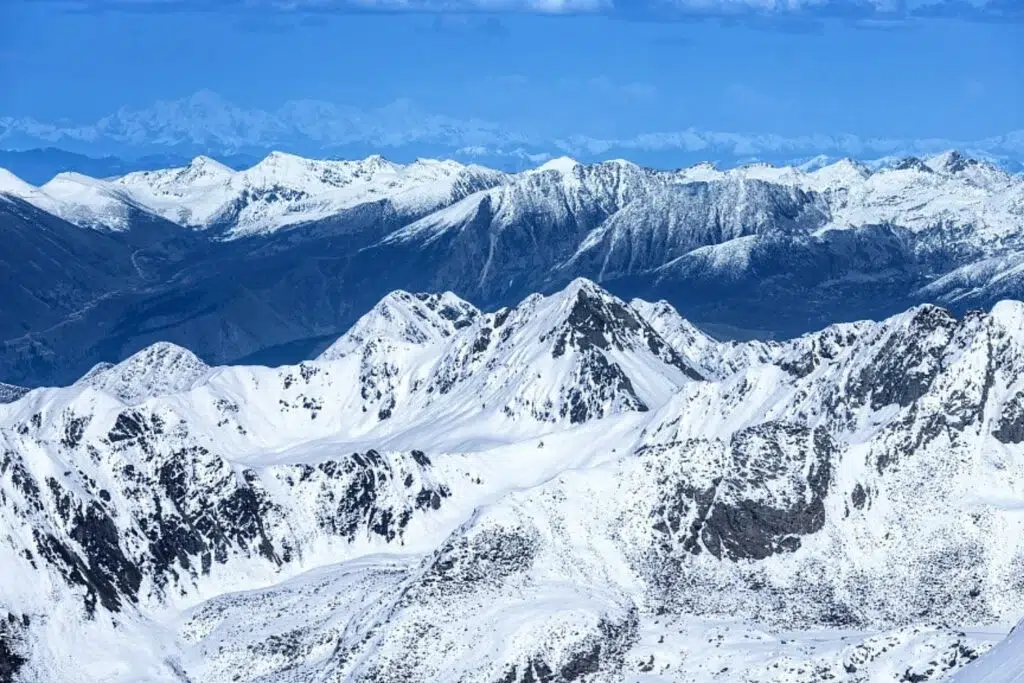
Glacier Law Reform
This Glacier Law reform directly clashes with the principle of “non-regression” in environmental matters, a fundamental pillar in negotiations with the European bloc, which has tightened its requirements following the implementation of the Green Deal.
From a diplomatic standpoint, the progress of this regulation coincides with the effort of Javier Milei’s government to accelerate commercial integration with Europe. However, the technical contradiction between promoting market opening and reducing the protection of critical ecosystems could reignite resistance from countries like France and Austria. These EU member states have historically expressed their reservations about the EU-Mercosur agreement based on the lack of ecological guarantees from South American partners.
The tension between extractive development and environmental diplomacy will define the future of Argentine exports.
If the Glacier Law reform ultimately becomes law without adjustments that ensure the integrity of water resources, the country could face legal difficulties in international courts of justice, complicating preferential access to a market of over 450 million consumers who increasingly prioritize the ecological traceability of their imports.



