



The animal trafficking is an environmental crime that threatens species and ecosystems in several countries around the world. On this occasion, the Ministry of Environment of Uruguay released 14 yellow cardinal specimens that were part of the illegal trafficking in the city of Maldonado.
The procedure was carried out by personnel from the Sanitary Barrier of the Ministry of Livestock, Agriculture, and Fisheries (MGAP) and Interpol, who seized animals from poaching activities conducted by the Environment department.
The yellow cardinal is one of the most endangered birds, as many of its habitats have been destroyed by deforestation. This has led to this species only inhabiting Argentina, Brazil, and Uruguay, as their capture for the illegal market has significantly reduced their population.
These animals were found in an advanced state of dehydration, causing several of them to die hours after being discovered. Before being released on November 25 and 26 of last year, the remaining specimens were sent to the Pan de Azúcar Reserve, where veterinarians provided them with the necessary care and attention for their best possible recovery.
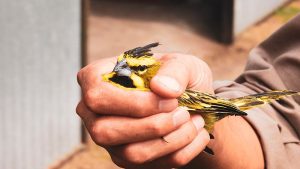 Several yellow cardinal specimens were rescued from animal trafficking.
Care to save the yellow cardinal
In addition to providing the necessary care, experts from the School of Veterinary Medicine and the Veterinary Laboratories Division (Dilave) of the MGAP conducted various medical check-ups to prevent the introduction of diseases into nature. They also carried out some genetic studies in order to protect the species.
These birds’ population inhabit both Uruguay and Corrientes and Entre Ríos. The studies conducted on them confirmed that the rescued specimens in Uruguay belonged to this population.
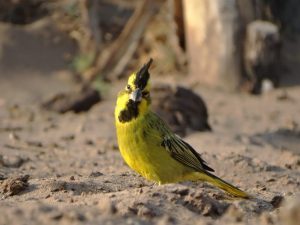 Yellow cardinal.
Characteristics of these birds
Yellow cardinals can be found in open forests and scrublands, with thorny trees and shrubs, as well as in patches of forest interspersed with grasslands, acacia, tala, and pepper trees, among others. For this reason, an appropriate place should be sought for these animals, one that also protects them from poachers.
After the quarantine period, the animals were reintroduced into their natural environment with rings to be monitored during their adaptation to their new home.
Do you already know our YouTube channel? Subscribe!



