



In addition to the fatalities of any armed conflict, the war in Ukraine has led to an unexpected form of plastic pollution. It affects both wildlife and natural ecosystems.
The intensive use of drones on the battlefield has resulted in massive dispersion of fiber optic cables, creating an “unthinkable plastic pollution” that threatens biodiversity and environmental health.
Drones and fiber optics: the new form of plastic pollution
According to the Conflict and Environment Observatory (CEOBs), drones account for up to 80% of casualties in some missions.
To avoid electronic warfare interference, fiber optic cables up to 41 km long are used to connect drones to their operators.
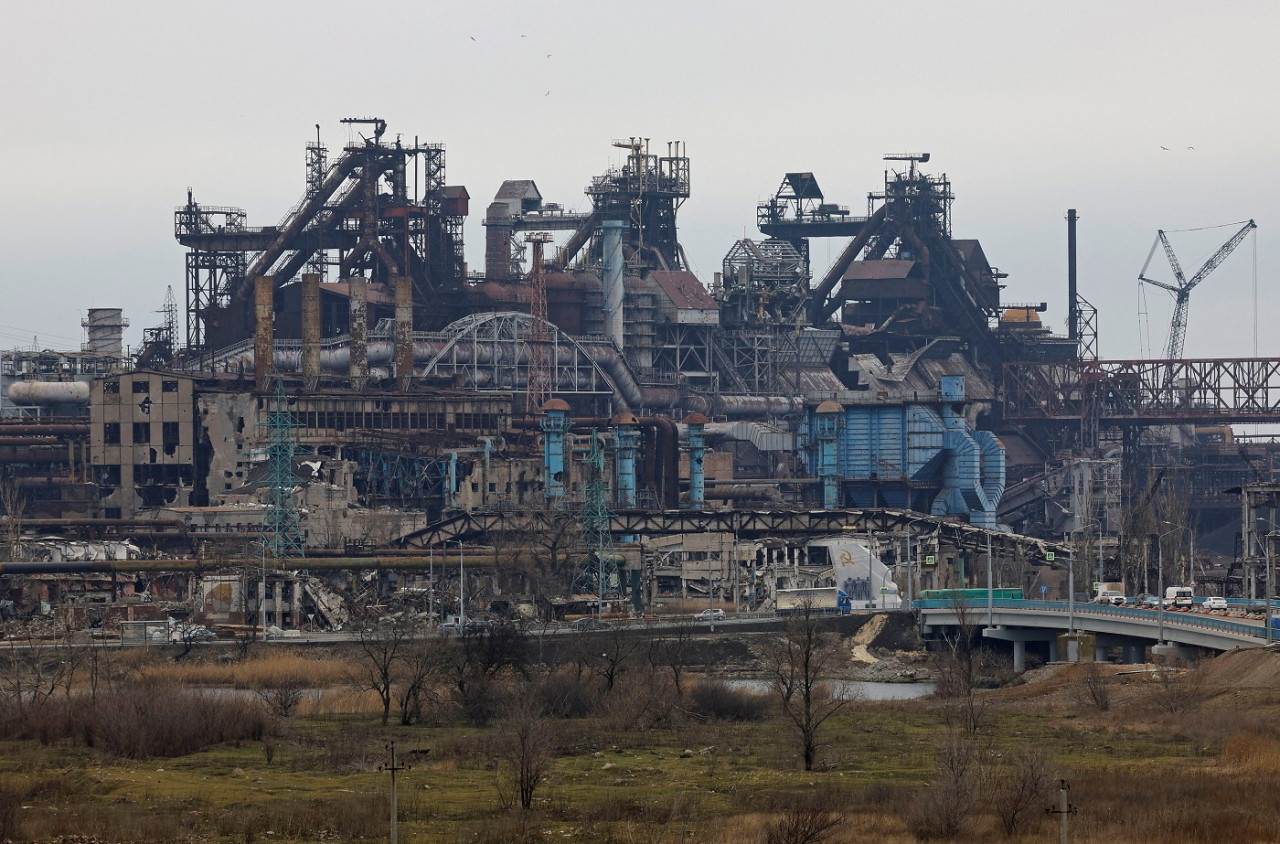 The environmental cost of war: Ukraine.
These cables are used only once and then abandoned in the field, quickly accumulating in rural and natural areas.
Impact on ecosystems and wildlife
These cables, made of highly resistant plastics, can remain in the environment for over 600 years.
Their presence poses physical risks to wildlife, such as entanglements and injuries to birds, bats, and mammals.
Moreover, as they degrade, they release microplastics and toxic compounds like PFAS, known as “eternal chemicals“, which contaminate the soil and bodies of water.
The recovery and recycling of these cables is extremely challenging, both due to the vastness of the terrain and their mixed composition.
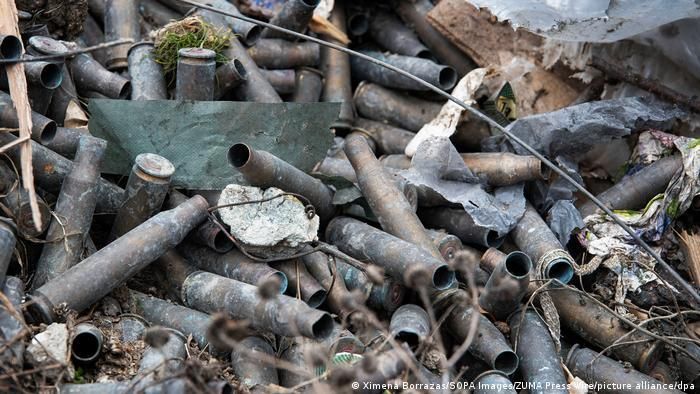 Weapons waste in Ukraine.
The affected areas include forests, agricultural lands, and cultivation areas, which can have negative impacts on economic activities and human health due to water and soil pollution.
Charlie Russell, a researcher at the University of East Anglia in the UK, warned in an interview with the site Meteored that wildlife faces multiple impacts from the conflict.
Many of these impacts could last for decades. “The fiber optic cables used by drones extend over vast areas of forested and peri-urban habitats, creating real traps between trees and clearings,” he pointed out.
“They represent a significant risk of entanglement and death for many species, including endangered birds and bats,” he stated.


