



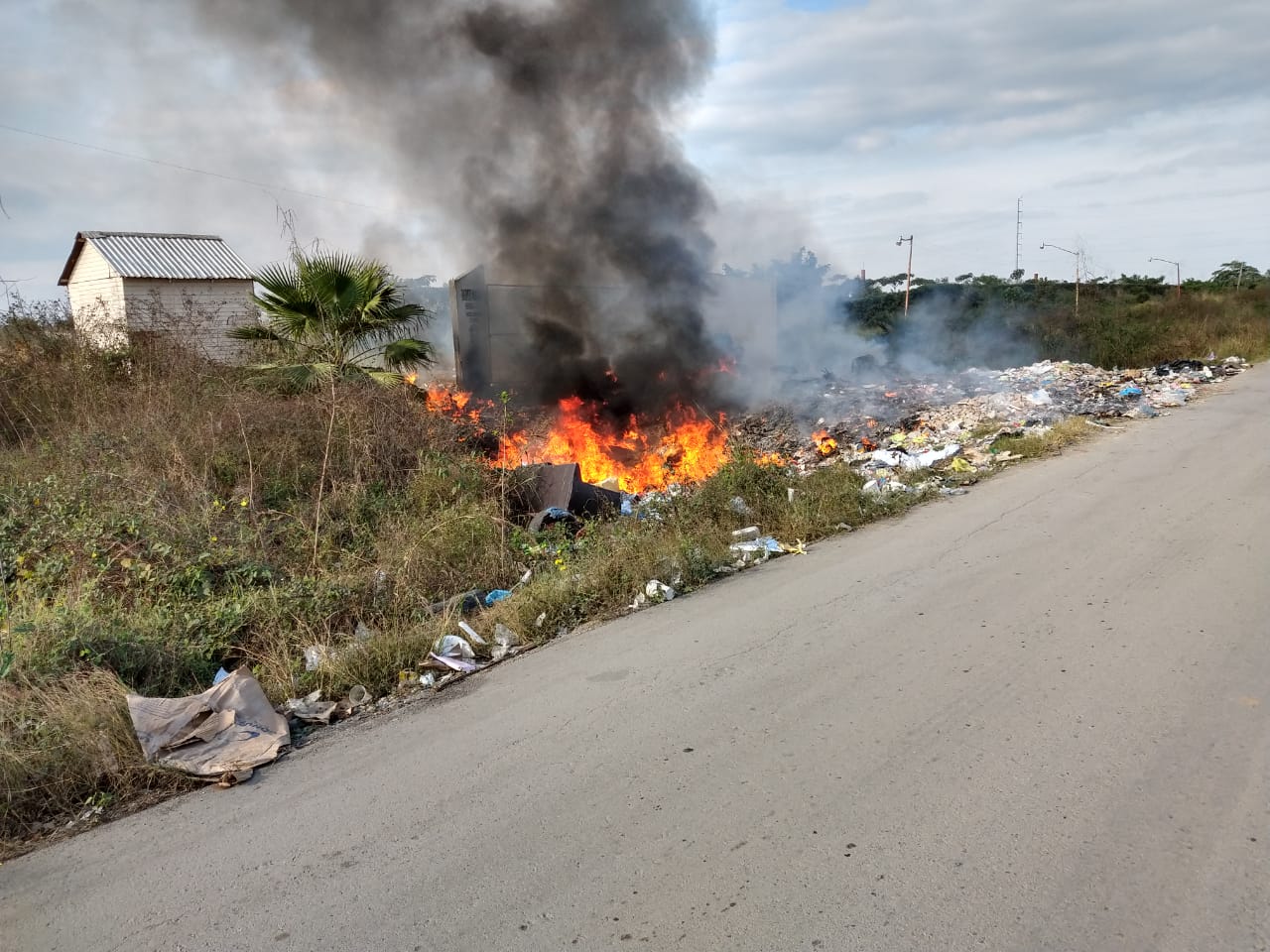
In many urban areas of the country, waste burning continues to be a common practice that generates serious consequences for public health, the environment, and community security.
Persistent mini dumps, overflowing containers, and lack of environmental awareness worsen the problem, especially when the wind fans the flames, requiring the intervention of Firefighters to prevent the outbreaks from getting out of control.
What is pollution and how does it affect us?
Environmental pollution occurs when a harmful external agent is introduced into an ecosystem, causing imbalances, damages, and discomfort in both the environment and living beings.
In this context, incinerating waste represents a direct way to poison the environment, especially when responsible waste management is not carried out.
Invisible toxins: what fire releases
Burning waste releases a dangerous mix of toxic substances, including:
- Lead, cadmium, and mercury
- Greenhouse gases and acid gases
- Highly carcinogenic fine particles
These emissions can cause respiratory conditions, allergic reactions, lung obstruction, and lung cancer, especially with prolonged or chronic exposure.
During periods of dry leaves and strong winds, waste burning can intensify the fire and cause grassland fires or fires in inhabited areas. The flames spread rapidly, endangering homes, ecosystems, and human lives.
Health impact: nobody is exempt
The smoke generated by waste burning affects the entire population, but the most vulnerable groups include:
- Children
- Pregnant women
- Patients with respiratory or cardiovascular conditions
In the case of pregnant women, the inhaled toxins can reach the baby through the umbilical cord, causing respiratory problems at birth and even malformations.
Fines and regulations: towards a culture of environmental responsibility
Given the negative impact of this practice, several districts in the country have implemented fines and sanctions for those caught burning waste in open spaces.
These measures aim to reduce pollutant emissions and promote responsible waste management habits.
What can we do to avoid waste burning?
Avoiding waste burning is just the first step. We can also:
- Reuse paper, cardboard, plastic, and glass
- Place waste in containers with lids
- Participate in community reforestation actions
- Share information to raise collective awareness
Every action counts to reduce pollution, prevent diseases, and protect the environment we live in.



