



In the framework of the Month of Biodiversity, Quito announced the full implementation of the Urban Ecological Habitats (UEH) in the Bicentennial Park. This project, led by the Quito Botanical Garden and supported by the Municipality and the Quito Environmental Fund, transforms an urban space into a living laboratory of sustainability and resilience.
The intervention covered 1,750 m², with the planting of more than 5,900 plants of 40 native species, selected under ecological and landscape criteria. The results are compelling: monitoring shows that biodiversity in these areas is up to five times greater compared to its previous state.
Biodiversity in the heart of the city
Among the recorded species are:
- Hummingbirds and sparrows.
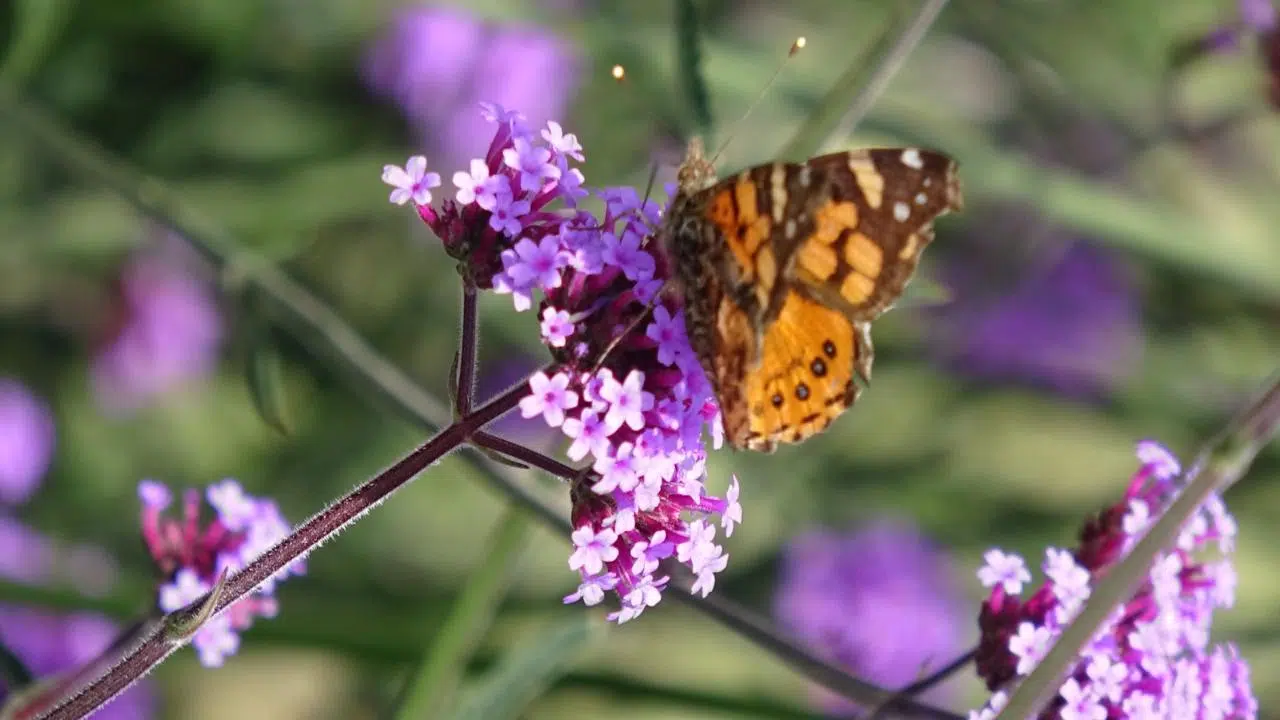
- Pollinators such as bees, bumblebees, ladybugs, and flies.
- Soil fungi, indicators of a healthy ecosystem.
These micro-ecosystems not only strengthen the ecological balance but also regulate the microclimate and improve the well-being of visitors.
Spaces for citizens and nature
The UEH were designed as citizen meeting places:
- Urban furniture and interpretative signage.
- Lookouts for bird watching.
- Citizen science programs that invite participation in biodiversity monitoring.
Ricardo Zambrano, technical director of the Botanical Garden, highlighted that the model is replicable in other urban spaces, while Mónica Reinoso, from the Environmental Fund, emphasized that the investment turns urban infrastructure into natural infrastructure that captures carbon, reduces heat islands, and creates wildlife refuges.
Education and open knowledge
As part of the project, the Flora Guide of the Urban Ecological Habitats was launched, a free tool that allows the identification of species and understanding their role in the urban ecosystem. This initiative reinforces environmental education and promotes the connection of citizens with nature.
Quito as a regional benchmark
The Ecuadorian capital positions itself as an innovative city in urban biodiversity, integrating nature-based solutions to face climate change. With this project, Quito redefines its relationship with the environment and sets a trend in the region by demonstrating that cities can be resilient, sustainable spaces in harmony with life.
The Urban Ecological Habitats of the Bicentennial Park are more than gardens: they are living micro-ecosystems that strengthen biodiversity, improve quality of life, and make Quito a regional benchmark for urban sustainability.



