



In a historic step towards preserving the nocturnal environment, Villa General Belgrano approved an ordinance regulating urban lighting to protect the natural darkness of the mountain skies. The measure, driven by the City Council, aims to reduce the impact of artificial lighting on the biodiversity and landscape along the Route 5 slopes.
The initiative places the Cordoban locality at the forefront of environmental matters, promoting a balance between the need for urban light and the conservation of nocturnal ecosystems. In times where light pollution silently advances over towns and cities, this regulation represents an example of sustainable planning.
The new regulation establishes that all exterior lighting, public or private, must direct its light towards the ground, avoiding any direct emission towards the sky or building facades. Only minimal exceptions will be allowed, such as galleries on upper floors, always with grazing and controlled lighting.
Additionally, the mandatory use of warm lights is imposed, and cannons, lasers, and light beams exceeding 2.5 meters in height are prohibited. Devices must be hidden behind eaves or architectural structures, ensuring a dim, efficient, and environmentally respectful lighting.
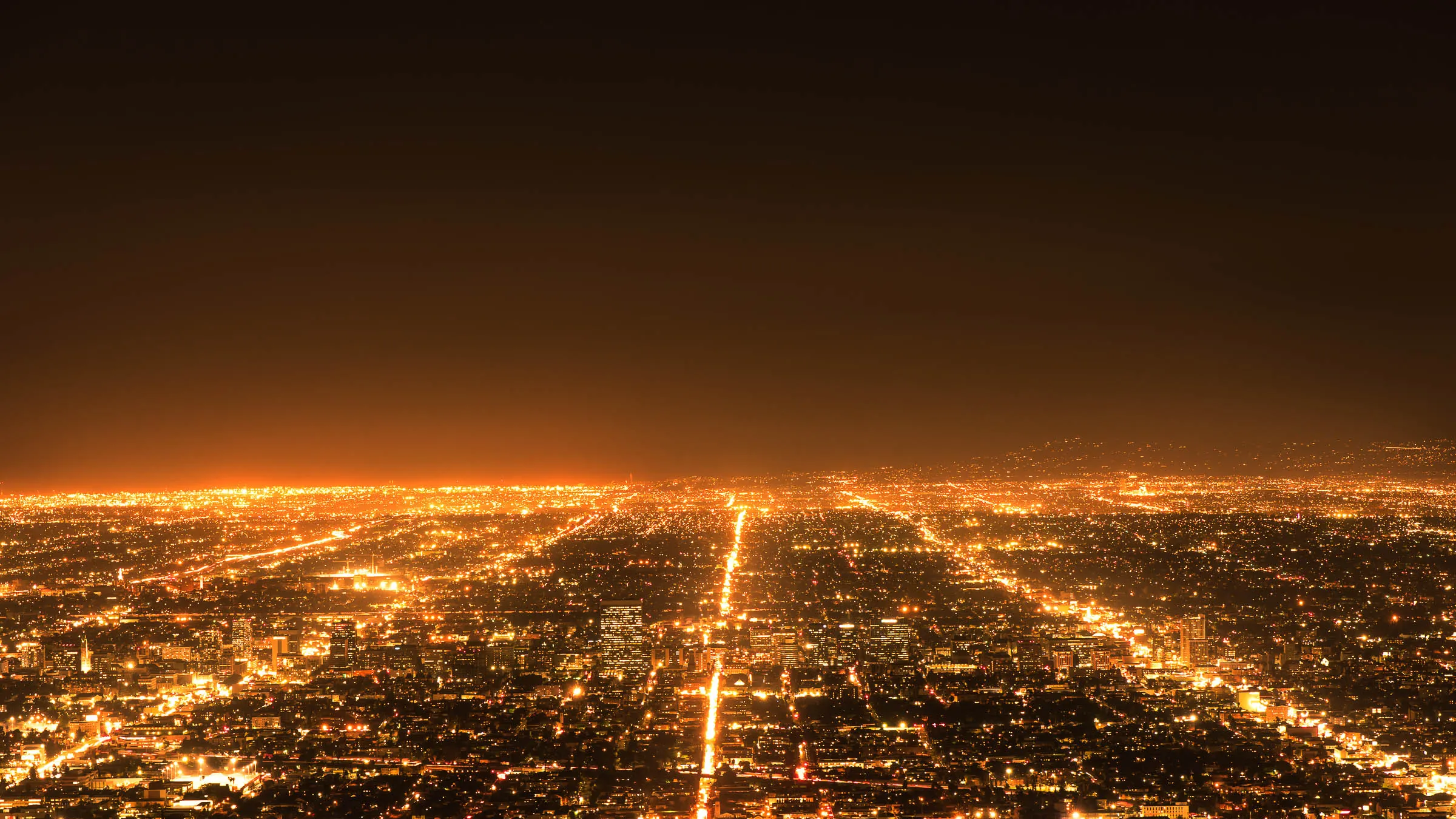
A more responsible light for a cleaner sky
Residents and establishments located in the eastern zone of Route 5 will have 60 days to adapt their lighting systems to the new provision. Those who fail to comply may receive penalties from the municipal Court of Infractions. Beyond control, the norm seeks to foster a collective environmental awareness, understanding that each poorly directed light contributes to the deterioration of the starry sky.
This environmental policy not only benefits astronomical observation but also protects numerous nocturnal species affected by artificial light. Insects, birds, and bats —which depend on darkness for feeding or reproduction— will find a more balanced and natural environment.
With this decision, Villa General Belgrano reaffirms its commitment to sustainability and the preservation of the natural mountain heritage, demonstrating that urban progress can advance without extinguishing the night.

Light pollution: a silent but growing problem
The light pollution is the alteration of the natural darkness of the sky caused by inappropriate use of artificial lighting. Although often unnoticed, it has direct consequences on ecosystems, human health, and energy consumption.
In nature, nighttime light disrupts the biological cycles of animals, alters migratory routes, and affects pollination. In humans, it can cause sleep disorders and hormonal imbalances, in addition to increasing electrical demand at unnecessary times.
Experts agree that reducing light pollution involves using warm lights, directed towards the ground, and in controlled schedules. This measure not only improves the visibility of the starry sky but also promotes more efficient energy consumption and a healthier urban environment.
With actions like that of Villa General Belgrano, Argentina moves towards a new culture of conscious lighting, where protecting the darkness also means protecting life.


