



A recent study revealed a harsh reality. From having more trees, more than 1 million lives could have been saved in cities.
It’s not just about details or urban decoration. Trees have a huge impact on public health by keeping us cooler.
Trees could have saved more than 1 million lives
The study calculated that increasing vegetation in urban areas by 30% could have prevented over a third of all heat-related deaths worldwide.
This occurred between 2000 and 2019. In total, 1.16 million lives could have been saved with more vegetation during this 20-year period.
The modeling study by researchers at Monash University in Melbourne is the first to calculate two variables: the cooling effect on daily temperatures, and its modifying effect on the heat-mortality relationship.
“This provides us with a more comprehensive assessment of their benefits in mitigating heat-related mortality,” says Professor Yuming Guo, the study’s director.
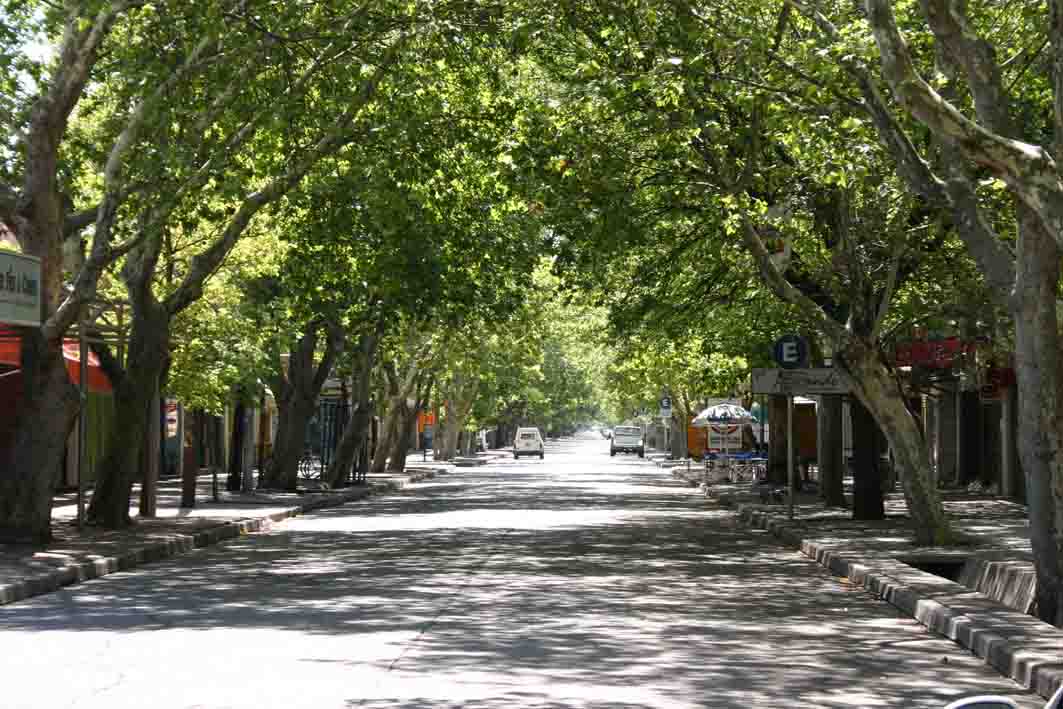
“These results indicate that preserving and expanding greenery could be potential strategies to lower temperatures and mitigate the health effects of heat exposure,” he added.
How do urban trees save lives?
Heat exposure is increasingly becoming a major threat to public health due to man-made climate change.
Between 2000 and 2019, high temperatures were related to half a million deaths per year, representing 0.91% of all global deaths.
According to the study conducted in European cities, an increase in vegetation levels by 10%, 20%, and 30% would have reduced daily average temperatures by 0.08ºC, 0.14ºC, and 0.19ºC, respectively.
This could have prevented 0.86, 1.02, and 1.16 million deaths, which represents 27.2%, 32.2%, and 36.7% of all heat-related deaths between 2000 and 2019.
The numbers
According to the model, the positive effect of increased vegetation depended on several factors, such as the type of climate and the socioeconomic and demographic composition of a specific city.
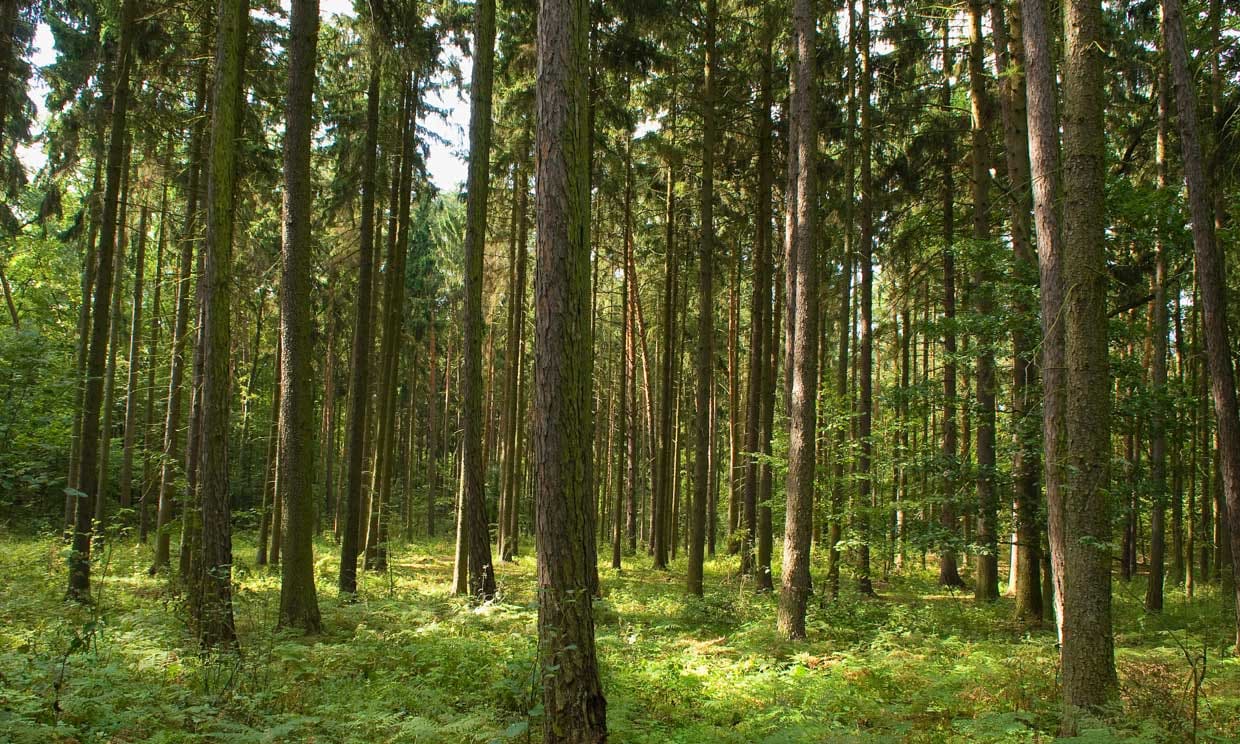 The benefits of trees.
If vegetation levels increase by 30%, the average number of lives saved between 2000 and 2019 is 396,955 in Europe. Asia is the continent that saves the most lives, with 527,989. Specifically, urban areas in South Asia, Eastern Europe, and East Asia would have



