



Today, October 21, marks a new World Energy Saving Day.
This date is key to reflecting on the responsible use of energy resources and taking steps towards a sustainable future.
This global event aims to raise awareness about the importance of reducing energy consumption and promoting more efficient use of it.
In a context of increasing energy demand and climate change, adopting individual and collective measures is essential to reduce our energy footprint.
The impact of energy saving on the planet
Energy saving is central to global efforts to combat the climate crisis.
As consumption increases, so do greenhouse gas emissions, responsible for global warming.
By using less energy, dependence on fossil fuels and environmental pollution is reduced.
This helps mitigate impacts such as the increase in global temperature, ocean acidification, and the destruction of ecosystems.
Moreover, efficient consumption allows for the reduction of electricity and gas bills, minimizing costs for both consumers and industries.

World Energy Saving Day: 7 tips to reduce consumption
1. Adjust and turn off the heating
For those who heat their homes with electricity, the International Energy Agency (IEA) recommends using a programmable thermostat.
In cold months, a temperature of around 15 °C during sleep and 10 °C when the house is unoccupied is recommended.
“This reduces heating bills by up to 10% per year,” says the IEA.
Lowering the thermostat by just 1 °C can save about 7% of heating energy.
Additionally, when leaving home, it is advisable to turn off the heating or air conditioning to avoid waste.
2. Walk or use a bicycle
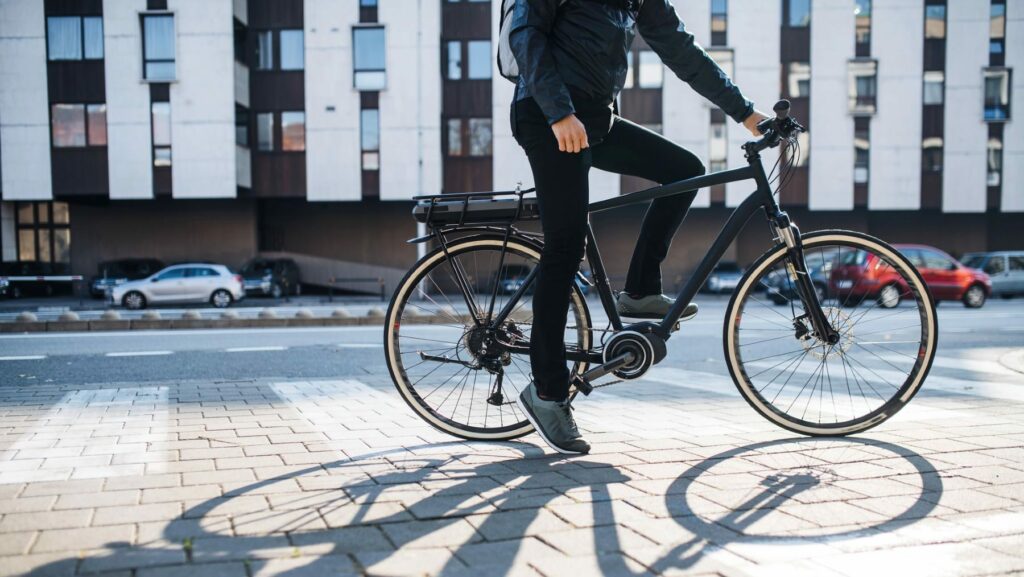
For short trips, walking or cycling helps save energy and reduce vehicle emissions.
According to the UN, “the transport sector generates the largest amount of carbon emissions worldwide.”
It is important to highlight the importance of cities with public policies that prioritize bicycles, as they encourage the adoption of this cheap, healthy, and sustainable means of transport.
3. Prioritize public transport
For medium trips, public transport such as the subway, train, or bus allows for efficient transportation of many people.
Another option is to combine public transport with carpooling, which helps save energy and money.
“Replacing car use with public transport can reduce annual carbon emissions by up to 2.2 tons per person,” the UN notes.
Additionally, living without using a car “can reduce your annual carbon footprint by approximately 3.6 tons.”
4. Unplug appliances in standby mode
Almost 75% of electricity is consumed by turned-off devices that remain in standby mode.
The standby mode consumption of computers and consoles represents up to 70% of the consumption in on mode.
Therefore, unplugging appliances when not in use can reduce up to 15% of the overall energy consumption.
An average home can have between 10 and 15 devices in standby that perform a continuous and unnecessary energy consumption.
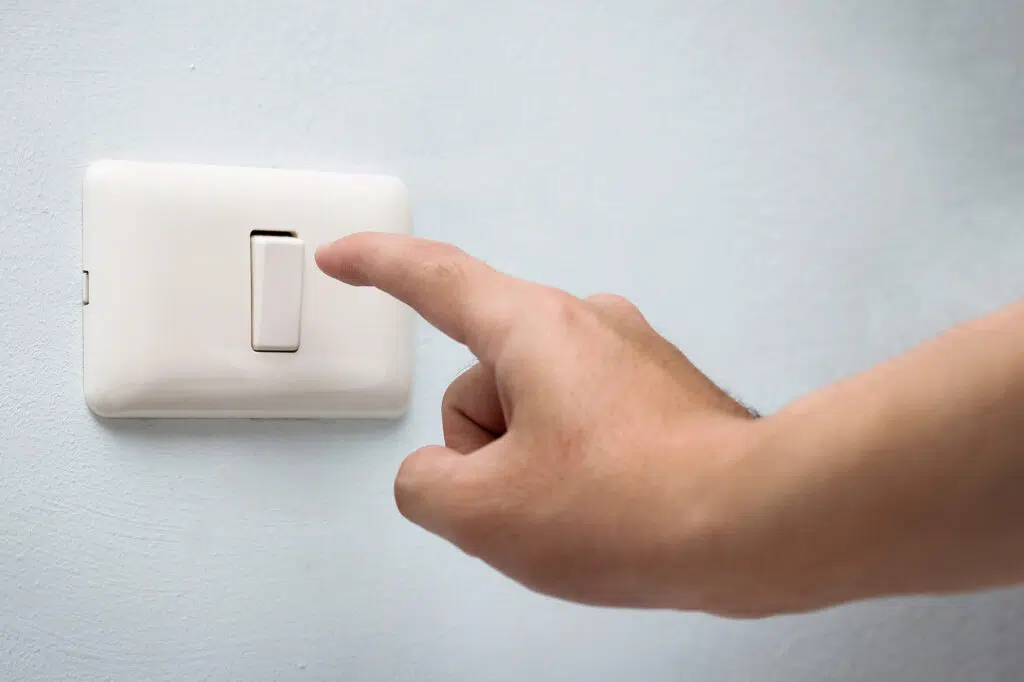
Another option is power strips with switches, which allow you to cut the power easily with a simple button.
5. Optimize the use of the washing machine
The washing machine is one of the appliances that consumes the most energy at home.
Not doing several half-load washes is preferable, according to experts: it is better to gather and do a single full wash.
Also, choosing the economy program that is shorter consumes less electric energy.
When washing, to save energy, it is always recommended to use cold water, as hot water generates 80% more energy expenditure.
6. Choose efficient appliances
When buying new appliances, checking the energy efficiency label is essential.
For example, devices with inverter technology in air conditioners can reduce energy consumption by up to 40%.
In Argentina, the green color or the letter A are the labels that identify the appliances that consume the least energy.
Thus, changing appliances for more efficient ones can save up to 40% on the electricity bill.
Washing machines and dishwashers with higher energy efficiency are more expensive initially, but they pay off in the long run.
7. Keep electrical appliances clean and in good condition
Keeping electrical appliances clean, especially those in the kitchen, improves their energy efficiency.
When lights are dirty or in poor condition, they lose up to 50% of luminosity.
Cleaning the filters of the dishwasher and checking salt levels also improves its energy performance.
It is also recommended to use appliances according to the manufacturer’s usage and maintenance recommendations, as this prolongs their lifespan.
Finally, those appliances that produce sparks or heat the cable when plugged in should be checked: this is essential for safety.



