



On World Wetlands Day, the protection of glaciers through the conservation of these strategic ecosystems is vital to mitigate the effects of climate change and ensure the supply of freshwater in the region.
In the context of the commemoration of World Wetlands Day, the organization Wetlands International LAC has focused on the urgency of preserving ice bodies as critical reservoirs.
The protection of glaciers
is not only a measure of environmental conservation but a necessary action to safeguard water access for millions of people and maintain the balance of mountain ecosystems that directly depend on these crystal giants.
The relevance of these environments lies in their function as natural water regulators. During drought periods or months with lower rainfall, the gradual melting of glaciers feeds the lower basins, allowing the survival of biodiversity and the development of essential human activities such as agriculture and domestic consumption.
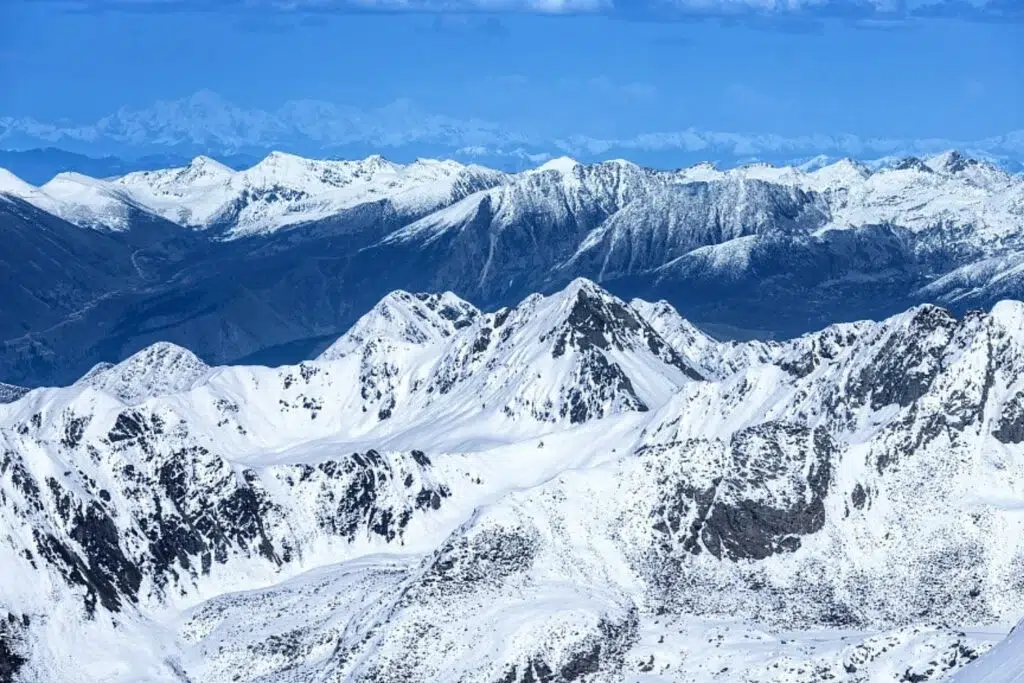
However, the increase in global temperature and nearby industrial activity put their structural integrity at risk.
Experts in the field warn that the degradation of glaciers accelerates the vulnerability of local populations. Being considered “wetlands” in a broad sense under certain conservation frameworks, their management must be comprehensive.
The loss of glacier mass not only implies a lower volume of water available in the long term but also alters the natural cycles of soils and high-altitude wetlands, such as bofedales, which act as natural sponges in the Andean regions.
The call to action is clear
Establish robust regulations that limit harmful human interventions in periglacial zones.
Only through an effective glacier protection policy can it be ensured that future generations will have the indispensable water resources for life.
Resilience to the current climate crisis directly depends on the ability of States and civil society to value and defend these freshwater deposits.


