



An innovative Argentine technological development seeks to save lives in times of air pollution and carbon monoxide poisoning. It has created glasses that alert to signs of fatigue or distraction while driving.
The invention is called Envirosafe Vision and aims to revolutionize industrial and environmental safety.
The device, developed by a recently graduated young engineer, integrates advanced sensors that monitor air quality in real-time.
## The invention of a young entrepreneur that can prevent carbon monoxide poisoning
Cristian Moreno, 25 years old, has just graduated as a Bachelor in Information Technology at the University of Palermo.
His thesis project was awarded first place in the “Santander Bank Final Degree Project Award”, which recognizes the best technological developments from the Faculty of Engineering each year.
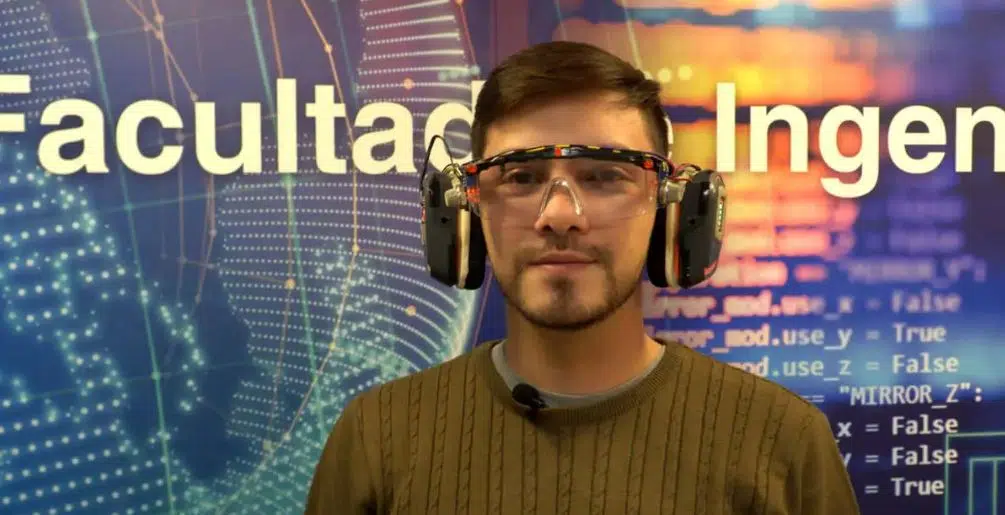
Its use is specially designed for industries, chemical plants, laboratories, confined spaces, and environmental risk areas where the presence of invisible and potentially lethal gases represents a constant threat.
## Early detection of hazardous gases
Envirosafe Vision can identify a wide range of toxic compounds such as carbon monoxide, ammonia, chlorine, sulfur dioxide, methane, and other flammable or contaminating gases. When the detected levels exceed safety parameters, the system emits audible, visual alarms, and digital alerts. These allow for an immediate response to evacuate the area or activate containment protocols.
Thanks to its portability, it can also be used by emergency brigades, field workers, and maintenance operators. This makes it a key tool to prevent intoxications, fires, explosions, and chemical leaks.
This advancement is part of a new generation of technologies for industry 4.0, where prevention and automation play a central role in risk reduction. Envirosafe Vision connects to digital platforms that allow real-time measurements, generate automatic reports, and make informed decisions.

Additionally, the system helps reduce the environmental impact of industrial operations by detecting contaminating emissions that could otherwise go unnoticed. The system operates thanks to an ESP32 board, the “brain” of the device, and MQ135 sensors that process real-time data.
“The design is intended to be compact, comfortable, and with a rechargeable battery,” Moreno told iProfesional. “I mounted it on the frame of regular glasses, to which I also added LED lights and buzzers. The important thing was that it could be used in everyday life without complications,” he explained.
Although initially designed for certified technicians working in gas installations, Moreno soon understood that its scope could be much broader.
“Its use can be extended to factories, laboratories, homes, or even to people who cannot smell. It can also be very useful for the elderly or people with sensory disabilities,” he said.
## The key contribution to occupational health and sustainability
Exposure to toxic gases is one of the main causes of occupational diseases in sectors such as mining, oil, agriculture, and construction. Technologies like this innovation help raise safety standards, minimize accidents, and ensure healthier and more sustainable work environments.



